Transforming a raw, open-concept loft into a functional workspace demands furniture that respects the architecture’s industrial heritage while meeting modern productivity needs. Reclaimed wood desks have emerged as the quintessential centerpiece for these spaces, offering a compelling narrative of sustainability and character that new materials simply cannot replicate. The marriage of weathered timber with steel frames creates an aesthetic tension—simultaneously rugged and refined—that perfectly complements exposed brick, ductwork, and concrete floors.
But not all reclaimed wood desks are created equal, and navigating the market requires more than an appreciation for weathered patina. From understanding the provenance of your wood to evaluating metal frame integrity, making an informed purchase ensures your desk becomes a lasting investment rather than a trendy disappointment. Whether you’re curating a corner office in a converted factory or bringing loft-inspired edge to a suburban home, knowing what separates authentic craftsmanship from mass-produced imitations will elevate your entire space.
Top 10 Industrial Desks with Reclaimed Wood Tops
Detailed Product Reviews
1. Restore by Pipe DÉCOR Solid Wood Office Desk Top, Reclaimed Ponderosa Pine Wood in Trail Brown, 48 in. x 24 in. x 1.25 in.

Overview: The Restore by Pipe DÉCOR desk top delivers authentic reclaimed ponderosa pine craftsmanship for DIY workspace builders. This 48x24-inch surface, hand-finished in trail brown stain, features a substantial 1.25-inch thickness that commands presence. The wire-brushed distressing technique creates genuine character, revealing warm tan undertones beneath earthy brown washes that complement industrial, modern, and mid-century interiors.
What Makes It Stand Out: Each piece showcases unique knots and grain patterns enhanced by hand-sanding and wire-brushing. The distressed finish isn’t manufactured—it’s crafted from genuine reclaimed lumber, ensuring no two tops are identical. This artisanal approach creates a conversation piece that mass-produced MDF simply cannot replicate.
Value for Money: At $159.99 for the top alone, you’re investing in solid wood character rather than a complete desk. While legs add extra cost, this top rivals premium tabletops costing significantly more. For those wanting custom leg options, it offers flexibility that pre-packaged desks cannot match.
Strengths and Weaknesses: Pros include authentic reclaimed pine construction, unique hand-finished character, thick durable profile, and design versatility. Cons are that legs aren’t included, the 48-inch length may feel cramped for dual monitors, and completing your desk requires additional investment and assembly.
Bottom Line: Ideal for builders and design-conscious buyers seeking authentic materials. If you value genuine reclaimed wood and custom configurations over convenience, this top delivers exceptional character and quality.
2. Tribesigns 55" Industrial Executive Desk for Home Office, Rustic Simple Computer Laptop Desk with Strong Metal Legs, Study Writing Table Business Workstation, Small Conference Table

Overview: The Tribesigns 55" Industrial Executive Desk delivers a complete workspace solution combining rustic aesthetics with modern functionality. This ready-to-assemble desk features a spacious 55-inch surface crafted from high-quality MDF with authentic wood grain texture, supported by sturdy black metal legs that embody industrial design.
What Makes It Stand Out: Its standout feature is the impressive workspace expansion—nearly a foot longer than standard 48-inch desks—providing ample room for dual monitors, documents, and office accessories without compromising the clean, organized aesthetic. The farmhouse wood finish paired with iron legs creates versatile styling that transitions seamlessly between home offices, study areas, and even dining spaces.
Value for Money: At $160.35, this represents exceptional value as a complete package. Competing solid wood desks cost three times more, while similarly priced options typically use thinner materials and offer less surface area. The included hardware and clear instructions eliminate hidden costs.
Strengths and Weaknesses: Strengths include generous 55-inch workspace, ready-to-assemble completeness, sturdy metal frame construction, multi-room versatility, and responsive customer service. Weaknesses involve MDF rather than solid wood construction, which may dent more easily, and the rustic-industrial style may not suit traditional décor.
Bottom Line: An outstanding budget-conscious choice for those wanting immediate functionality without sacrificing style. For home office workers needing maximum workspace at minimum cost, this desk delivers impressive quality and value.
3. Restore by Pipe DÉCOR Solid Wood Office Desk Top, Reclaimed Ponderosa Pine Wood in Boulder Black, 48 in. x 24 in. x 1.25 in.

Overview: The Restore by Pipe DÉCOR Boulder Black desktop offers the same reclaimed pine craftsmanship as its trail brown counterpart, but with a dramatically darker aesthetic. This 48x24x1.25-inch top features hand-applied boulder black stain that creates a rich, moody foundation with unexpected tan and deep apricot undertones peeking through the distressed grain.
What Makes It Stand Out: The wire-brushing technique enhances the reclaimed wood’s natural character, making each knot and grain pattern a sculptural element. This finish particularly suits modern industrial lofts and minimalist spaces where bold contrast creates visual impact. The black stain adds sophistication while maintaining the authentic reclaimed material story.
Value for Money: At $159.99, the value proposition mirrors the trail brown version—you’re investing in genuine solid wood character rather than a complete desk. The separate leg requirement allows pairing with metallic finishes for striking industrial looks or warm wood tones for balanced contrast.
Strengths and Weaknesses: Pros include authentic reclaimed pine, unique hand-finished character, versatile dark aesthetic, thick durable construction, and custom leg compatibility. Cons remain the incomplete package, limited 48-inch length, and additional leg costs.
Bottom Line: Choose this over the trail brown if your space demands bold, dramatic presence. For DIYers wanting a statement piece with genuine reclaimed wood quality, the boulder black delivers distinctive style that mass-produced desks cannot replicate.
4. SXXjiaju Solid Wood Desk 55 inches, Home Office Computer Desk Wooden Rustic Writing Desk Metal Modern Simple Design Executive Real Wood Desk(Rustic Brown)

Overview: The SXXjiaju Solid Wood Desk positions itself as a premium executive solution with its 55-inch real wood construction and striking Z-shaped metal legs. This substantial workstation features a wide 27.5-inch depth and thick solid wood top with rich dark brown finish that showcases natural grain patterns.
What Makes It Stand Out: Its most compelling feature is the claimed solid wood construction—a rarity in this price tier where MDF and veneers dominate. The Z-frame design provides exceptional stability while making a bold architectural statement. Adjustable leg pads ensure level placement on uneven floors, protecting both the desk and your flooring.
Value for Money: At $497.99, this commands a significant premium over MDF alternatives. However, genuine solid wood desks of similar size typically exceed $600, making this competitively priced if the solid wood claim holds true. The multi-functional design serves equally well as conference table, dining surface, or executive workstation.
Strengths and Weaknesses: Strengths include real solid wood durability, stable Z-frame construction, adjustable leg pads, generous 55x27.5-inch surface, and versatile styling. Weaknesses involve the high price point, considerable weight affecting mobility, and potential overkill for casual users.
Bottom Line: Worth the investment for discerning buyers seeking authentic solid wood longevity. If you prioritize genuine materials and striking design over budget constraints, this desk delivers executive quality that justifies its premium price.
5. IBF Rustic Computer Desk, Industrial 47” Home Office Desk, Farmhouse Wood Metal Work Desk for Writing Study, Vintage Minimalist Executive Workstation PC Gaming Table in Bedroom, Rustic Brown

Overview: The IBF Rustic Computer Desk delivers remarkable value as the most budget-friendly complete workstation. At 47.2 inches, this industrial-style desk provides ample space for single-monitor setups while maintaining a compact footprint suitable for apartments and small offices.
What Makes It Stand Out: Despite its $129.99 price, the desk doesn’t compromise structural integrity. The engineered wood top paired with a robust black metal frame supports up to 300 pounds—exceeding many premium competitors. The minimalist rustic brown finish offers surprising versatility, working equally well in bedrooms, dormitories, and professional home offices.
Value for Money: This desk excels at providing immediate functionality without hidden costs. All hardware, tools, and labeled components arrive ready for straightforward assembly, making it ideal for students and first-time apartment dwellers. The open design beneath accommodates computer towers or storage baskets.
Strengths and Weaknesses: Pros include exceptional affordability, complete package convenience, sturdy 300-pound capacity, compact 47-inch size for small spaces, and easy assembly. Cons involve engineered wood rather than solid timber, the 47-inch length limiting dual-monitor configurations, and basic design lacking premium character.
Bottom Line: Perfect entry-level choice for budget-conscious buyers needing immediate workspace solutions. If affordability and functionality trump material authenticity, this desk delivers outstanding value that punches well above its price class.
6. VIVO Electric 60 x 24 in Standing Desk, Memory Height Adjustment, 1B Series, Holds 220 lbs, One-Piece Reclaimed Wood Top, Black Frame, DESK-KIT-1B6P
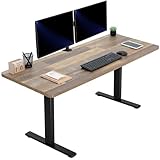
Overview: The VIVO Electric Standing Desk delivers a complete sit-stand workstation solution for $219.99, pairing a spacious 60 x 24-inch reclaimed wood-look top with a robust electric frame supporting 220 pounds. The height adjusts smoothly from 29.3 to 48.5 inches, accommodating users from 5'2" to 6'4". This all-in-one package eliminates the guesswork of matching components, offering immediate ergonomic benefits for home offices.
What Makes It Stand Out: Four programmable memory presets enable one-touch transitions between sitting and standing positions, a feature rarely found at this price point. The powerful electric motor operates quietly while maintaining stability. Unlike segmented tops, the one-piece surface eliminates seam breaks, creating a smooth, uninterrupted workspace. The all-steel frame construction ensures durability, while the scratch-resistant particle board surface withstands daily use.
Value for Money: At $219.99, this desk significantly undercuts premium electric standing desks that typically exceed $400. While the particle board top isn’t solid hardwood, the trade-off enables motorized adjustment at a budget-friendly price. Manual crank desks save only $30-50 but sacrifice convenience. For those prioritizing functionality over materials, this represents exceptional value.
Strengths and Weaknesses:
- Strengths: Smooth electric adjustment; four memory presets; sturdy 220-pound capacity; spacious one-piece surface; easy assembly; quiet operation
- Weaknesses: Particle board construction lacks solid wood authenticity; limited aesthetic customization; slight wobble possible at maximum height; basic controller interface
Bottom Line: This VIVO electric desk excels for budget-conscious buyers seeking ergonomic versatility. It delivers reliable motorized adjustment and adequate workspace for most home offices, making it an excellent entry point into standing desk solutions without premium pricing.
7. VIVO Universal 71 x 30 inch Table Top for Standard and Sit to Stand Height Adjustable Home and Office Desk Frames, Reclaimed Wood Desktop, DESK-TOP72-30P

Overview: The VIVO Universal Tabletop serves as a premium upgrade surface for compatible sit-stand desk frames, offering an expansive 71 x 30-inch workspace in a reclaimed wood finish. This three-part platform provides nearly six square feet of surface area, accommodating dual-monitor setups and workspace accessories. Designed specifically for VIVO frames, it simplifies replacement or customization projects.
What Makes It Stand Out: The massive surface area exceeds most standard desk tops, while the three-section design simplifies shipping and handling. Pre-drilled holes for VIVO frames enable straightforward installation, though DIYers can drill custom holes for other brands. The reclaimed wood aesthetic adds warmth to office environments without genuine timber costs, creating a professional appearance.
Value for Money: At $159.99, value depends on existing equipment. For VIVO frame owners, it’s reasonably priced for a large replacement top. However, new buyers must factor in a $150+ frame cost, pushing total investment near $310—approaching complete desk system prices. Genuine solid wood tops of this size typically cost $250+, making this particle board option economical for budget-conscious upgraders.
Strengths and Weaknesses:
- Strengths: Exceptionally large work surface; pre-drilled for VIVO frames; attractive reclaimed wood finish; three-part design eases transport; scratch-resistant surface
- Weaknesses: Particle board core, not solid wood; requires separate frame purchase; needs drilling for non-VIVO compatibility; visible seam lines; heavy to maneuver alone
Bottom Line: Ideal for existing VIVO desk frame owners seeking more workspace. For new purchases, consider complete desk systems instead. The large surface impresses, but particle board construction and compatibility limitations narrow its appeal primarily to VIVO ecosystem users.
8. HEIRLOUM Reclaimed Wood Table Top - Rustic Recycled Wooden Piece Perfect for Signs, Counters, Kitchens, Dining and Coffee Table Tops (Straight Plank Table Top, 24" x 30")

Overview: The HEIRLOUM Reclaimed Wood Table Top delivers authentic vintage character for DIY furniture projects. Crafted from genuine recycled timber, each 24 x 30-inch piece showcases unique weathering, nail holes, and grain patterns impossible to replicate with mass-produced materials. Pre-treated with a water-based urethane matte finish, it’s ready for immediate installation as a desk, countertop, or decorative sign.
What Makes It Stand Out: Unlike veneer alternatives, this is real reclaimed wood with inherent history. Natural variations ensure no two pieces match exactly, creating true conversation pieces. Multiple size options from 24 x 24" to 30 x 48" accommodate diverse projects. The protective finish balances durability with rustic aesthetics while preserving the wood’s authentic texture and character.
Value for Money: At $152.43, genuine reclaimed wood at this price represents solid value. Comparable new solid wood tops cost $180+, while faux reclaimed finishes on particle board save only $30-40 but sacrifice authenticity. For DIYers, avoiding the labor of sourcing, cleaning, and preparing reclaimed lumber justifies the premium, while the pre-finished surface saves hours of work.
Strengths and Weaknesses:
- Strengths: Authentic reclaimed timber; unique character; protective matte finish; multiple size options; ready-to-use; natural weathering
- Weaknesses: Natural imperfections may not suit pristine aesthetics; requires DIY skills and separate base; smaller sizes limit desk applications; color variations may not match expectations; potential for splinters if unfinished edges
Bottom Line: Perfect for craftsmen and DIY enthusiasts seeking genuine reclaimed wood character. The pre-finished surface and variety of sizes make it an excellent starting point for custom furniture projects where authenticity and rustic charm matter more than perfection.
9. Restore by Pipe DÉCOR Solid Wood Office Desk Top, Reclaimed Ponderosa Pine Wood in Riverstone Grey, 48 in. x 24 in. x 1.25 in.

Overview: The Restore by Pipe DÉCOR Solid Wood Desk Top brings industrial sophistication to custom desk builds. This 48 x 24-inch slab of reclaimed Ponderosa pine features a hand-applied Riverstone Grey stain and wire-brushed distressing that emphasizes natural knots and grain patterns. At 1.25 inches thick, it provides substantial heft and durability for daily office use while maintaining manageable weight.
What Makes It Stand Out: The meticulous hand-finishing process creates a sophisticated grey-washed aesthetic with warm tan undertones, elevating it beyond typical reclaimed wood looks. The wire-brushing technique adds authentic texture while smoothing the surface for practical use. Each top’s unique wood grain and knot patterns become intentional design elements rather than flaws, ensuring a one-of-a-kind appearance.
Value for Money: At $159.99, this solid wood top competes directly with premium particle board alternatives while offering genuine timber construction. Similar solid pine tops retail for $180-200, making this a cost-effective choice for quality-conscious buyers. The included professional finishing saves DIYers significant time and materials compared to achieving comparable results from raw lumber.
Strengths and Weaknesses:
- Strengths: Solid reclaimed Ponderosa pine; attractive Riverstone Grey finish; hand-distressed texture; substantial 1.25" thickness; industrial aesthetic; smooth wire-brushed surface
- Weaknesses: Legs/frame not included; limited to one size; distressed style may not suit traditional decors; requires careful handling during assembly; natural wood movement possible
Bottom Line: An excellent foundation for industrial or modern desk builds. The quality finishing and solid wood construction justify the price, making it ideal for buyers wanting a stylish, durable surface without the premium cost of boutique furniture makers.
10. Bush Home Steele 54W Writing Desk with Storage in Reclaimed Pine | Large Wooden Computer Table for Home Office Workspace

Overview: The Bush Home Steele Writing Desk combines industrial aesthetics with practical storage in a complete, ready-to-use package. The 54-inch reclaimed pine finish surface and distinctive splayed powder-coated metal legs create a striking visual statement, while two box drawers and an open compartment keep essentials organized. With a 200-pound weight capacity and ANSI/BIFMA certification, it balances style with proven structural integrity for home offices.
What Makes It Stand Out: Unlike modular standing desk components, this is finished furniture requiring no complex mechanisms. The integrated storage solves clutter problems that plague minimalist designs. Fully finished surfaces allow flexible room placement, while the one-year warranty and ANSI/BIFMA testing provide purchase confidence. The splayed leg design offers enhanced stability while making a bold style statement.
Value for Money: At $179.99, this complete desk with storage undercuts many comparable industrial-style desks by $50-100. Standing desk frames alone often cost this much, making it economical for buyers not requiring height adjustability. The certified construction and included warranty add value beyond materials, while the storage components eliminate separate organizer purchases.
Strengths and Weaknesses:
- Strengths: Complete ready-to-use desk; integrated drawer storage; industrial design; ANSI/BIFMA certified; one-year warranty; fully finished surfaces; splayed leg stability
- Weaknesses: Non-adjustable fixed height; reclaimed pine veneer over engineered wood core; limited 54" workspace compared to standing desks; assembly required; drawers may feel small for some users
Bottom Line: Best suited for traditional home offices prioritizing storage and style over ergonomic adjustability. The Bush Home Steele desk delivers reliable performance and attractive industrial design at a competitive price for those content with seated workstations and wanting immediate organization solutions.
Understanding Loft Aesthetics and Why Reclaimed Wood Desks Are Perfect
The DNA of Loft Style: From Warehouses to Wishlists
Authentic loft design originated when artists illegally occupied abandoned industrial buildings in 1960s Manhattan, creating living spaces within factory bones. This heritage matters because genuine loft furniture should honor that resourceful spirit—repurposing materials with history rather than manufacturing nostalgia. The aesthetic celebrates raw honesty: unfinished surfaces, visible construction, and materials that improve with age. A reclaimed wood desk embodies this philosophy perfectly, as each nail hole, saw mark, and variation in grain color tells a story of previous life as barn siding, warehouse flooring, or railway ties.
Why Reclaimed Wood Tells Your Story Better Than Anything Else
Mass-produced desks with artificial distressing attempt to copy character, but reclaimed timber possesses authentic time-worn texture that deepens rather than fades. The wood has already survived decades—sometimes centuries—of use, making it inherently stable and less prone to the warping that affects green lumber. In loft spaces where every element competes for visual attention, a desk with genuine history becomes an anchor piece that grounds the entire room. The psychological impact is significant: surrounding yourself with materials that have endured creates a workspace that feels permanent and meaningful.
Essential Industrial Design Elements to Look For
Metal Frame Styles That Define the Look
The interplay between wood and metal defines industrial furniture, but frame design dramatically influences both aesthetics and function. Hairpin legs, while iconic mid-century modern, can appear too delicate for true loft spaces unless proportioned heavily enough to create intentional contrast. For authentic industrial presence, seek out I-beam or C-channel steel frames that reference structural building materials. Box steel tubing offers cleaner lines for contemporary lofts, while hand-forged iron bases with rivet details lean more rustic. Pay attention to gauge thickness—anything less than 1/8-inch steel often feels insubstantial in person, especially beneath substantial reclaimed planks.
Hardware and Detailing That Elevates the Design
The difference between a generic industrial desk and a museum-worthy piece often lies in hardware selection. Cast iron corner brackets should feel cool and heavy to the touch, not like stamped tin. Authentic bolt heads, preferably with square nuts that reference vintage fasteners, add tactile interest. Some makers incorporate actual reclaimed factory components—gear castings, valve wheels, or machine bases—which creates conversation-worthy authenticity. Avoid Allen bolts and modern fasteners whenever possible; they betray the historical narrative you’re trying to build. The patina on metal matters too: raw steel that will rust naturally, gunmetal bluing, or powder-coated finishes that mimic aged iron all contribute to the story.
Decoding Reclaimed Wood: Species, Sources, and Characteristics
Weathered Oak, Pine, and Douglas Fir: What’s the Difference?
Not all reclaimed wood performs equally in desk applications. Oak, particularly white oak from old barns, offers incredible density and wear resistance, making it ideal for desktop surfaces that will see heavy use. Its tight grain pattern accepts finishes beautifully while resisting dents from daily work. Pine, often salvaged from warehouse joists or factory flooring, provides dramatic character with its wide grain patterns and frequent knotting, though it’s softer and more susceptible to damage. Douglas fir, common in Pacific Northwest industrial buildings, strikes a middle ground—harder than pine but more workable than oak, with striking vertical grain that creates linear visual interest. Ask sellers specifically about the wood’s origin; “reclaimed hardwood” is too vague for a meaningful assessment.
Barn Wood vs. Factory Timber: Understanding Provenance
The wood’s previous life profoundly affects its appearance, stability, and suitability for desk use. Barn wood typically shows more weathering—deep gray oxidation on exterior surfaces, insect tracks, and circular saw marks from pre-1920s milling. This creates stunning aesthetic character but may require more extensive milling to create a flat, stable surface. Factory timber, especially old-growth beams from textile mills or warehouses, often spent decades indoors, protected from elements. This wood retains more of its original color and exhibits cleaner, more consistent character marks from machinery and foot traffic. For desktop surfaces where you’ll write or use a mouse, factory-reclaimed planks often provide smoother, more predictable work areas while maintaining authentic patina.
Sizing and Proportion Strategies for Loft Spaces
Measuring for Scale in Rooms with High Ceilings
Lofts with 12-foot-plus ceilings can swallow standard-sized furniture whole, making pieces appear toy-like and lost. When selecting a reclaimed wood desk, consider the visual weight alongside actual dimensions. A 60-inch desk might suffice functionally, but a 72-inch or even 84-inch length creates horizontal mass that balances vertical volume. Depth matters too—30 inches is standard, but 36-inch deep tops provide presence and accommodate modern dual-monitor setups without feeling cramped. Always tape out the footprint on your floor, but also photograph the space and use image editing software to mock up proportional representations. The desk should feel intentional, not apologetic.
Balancing Visual Weight in Open Floor Plans
Lofts rarely offer defined rooms, meaning your desk becomes part of a larger visual conversation. Consider the “sight lines” from multiple angles—will the back of the desk be visible from your living area? If so, look for designs with finished back aprons or decorative metal cross-bracing. The desk’s silhouette should complement, not compete with, other statement pieces like a leather sofa or industrial shelving unit. A massive, 4-inch-thick top paired with delicate legs creates tension that feels dynamic, while equal visual weight throughout can appear static. Think about negative space beneath the desk; open frames maintain loft-style airiness, while closed storage units can segment open floor plans too aggressively.
Functionality First: Work Surface and Ergonomic Considerations
Integrating Modern Cable Management with Rustic Charm
The romantic vision of a reclaimed wood desk can crash against the reality of modern tech clutter. Quality makers now incorporate hidden cable trays beneath the desktop, running parallel to the back edge and accessible via discrete cutouts. Some drill holes through the wood itself, lining them with metal grommets that match the industrial aesthetic. Before purchasing, map your equipment—laptop, monitor, charging stations, desk lamp—and ensure the desk offers routing solutions that keep cords invisible from primary viewing angles. The best designs make cables disappear without sacrificing the wood’s integrity with excessive drilling.
Storage Solutions That Maintain Industrial Integrity
Traditional drawers can undermine the raw aesthetic of industrial design, but going completely storage-free creates practical problems. Look for desks with cantilevered sliding drawers made from perforated steel panels, which maintain visual lightness while hiding supplies. Some designs incorporate reclaimed wood crates or vintage toolbox-inspired compartments that can be added or removed as needed. Open shelving beneath the desktop, supported by steel brackets, keeps essentials accessible while displaying curated objects. Avoid desks with visible drawer slides or modern hardware; side-mounted slides should be concealed behind metal facades that continue the industrial narrative.
Construction Quality: Separating Heirlooms from Disappointments
Joinery and Fastening Systems That Last
The romance of reclaimed wood shouldn’t distract from scrutinizing construction methods. Quality industrial desks use through-bolts with decorative nuts that pass completely through the wood top, creating mechanical fastening that won’t loosen over time. Avoid desks relying solely on wood screws into end grain—they’ll eventually strip and wobble. Mortise-and-tenon joints where wood meets wood demonstrate craftsmanship, especially when combined with steel corner brackets. For metal-to-wood connections, look for recessed washers that distribute clamping force and prevent crushing the softer wood fibers. Ask makers about seasonal wood movement; reclaimed planks need room to expand and contract, so floating attachment systems are superior to rigid fastening.
Weight Capacity and Stability Testing
That beautiful reclaimed top is useless if the frame flexes when you lean on it. Quality industrial desks should support at least 200-300 pounds distributed load—substantially more if you’ll mount monitor arms or heavy equipment. Test stability by checking for diagonal bracing in the frame; X-brace or K-brace configurations prevent racking far better than simple four-leg designs. If buying online, request a video of someone pressing down on the desk’s center while it’s empty; any visible flex indicates inadequate engineering. The desk should feel planted, not precarious, especially on uneven loft floors where concrete may have settled.
Finish Treatments: Protecting Without Hiding Character
Oil Finishes vs. Hard Coatings: Pros and Cons
The finish dramatically affects both appearance and maintenance. Natural oils like tung or linseed penetrate the wood, enhancing color while allowing the surface to breathe and develop richer patina over time. They’re repairable—scratches can be spot-treated without refinishing the entire top. However, oils offer minimal protection against water rings and coffee spills. Polyurethane or conversion varnish creates a hard, protective shell ideal for heavy use, but can appear plasticky if over-applied, obscuring the wood’s tactile character. The sweet spot for most loft desks is a hybrid approach: oil base to pop the grain, followed by thin, hand-rubbed polyurethane topcoats that protect while remaining subtle.
How to Maintain the Perfect Patina
Reclaimed wood continues to evolve after it becomes your desk. Direct sunlight will accelerate color changes, so position away from south-facing windows or accept that the wood will develop dramatic light-dark contrasts—some consider this desirable. Dust with barely-damp microfiber cloths; reclaimed wood’s open grain can trap abrasive particles that scratch over time. Apply furniture wax every 6-12 months to maintain oil finishes, buffing with the grain using a soft cloth. For polyurethane surfaces, a simple damp wipe suffices, but avoid ammonia-based cleaners that can cloud the finish. Embrace the inevitable dings and scratches—they add to the narrative, but consider keeping a small bottle of touch-up oil or stain to prevent raw wood from absorbing moisture.
The True Environmental Impact of Your Purchase
Beyond “Reclaimed”: Certifications and Ethical Sourcing
The reclaimed wood market suffers from greenwashing, with some sellers labeling new wood as “reclaimed” after brief distressing. Legitimate reclaimed wood should come with provenance documentation—photos of the source building, deconstruction permits, or chain-of-custody records. Look for FSC Recycled certification, which verifies the wood genuinely diverted waste from landfills. Ask makers about their deconstruction partners; ethical suppliers work with specialized crews who carefully dismantle historic structures rather than demolishing them. The most transparent artisans can name the specific building your desk wood came from and its original use. This documentation isn’t just eco-posturing—it guarantees you’re buying authentic material with structural integrity, not pallet wood masquerading as heritage timber.
Investment Breakdown: What Your Money Actually Buys
Price Tiers and What They Signal About Quality
Entry-level industrial desks ($400-800) typically use thinner wood tops (1-1.5 inches) from less valuable species, often with metal frames that bolt together rather than being welded. Mid-range pieces ($800-1,800) offer 2-inch-plus tops from desirable oak or fir, with professionally welded frames and hand-applied finishes. High-end desks ($1,800-4,000+) feature rare reclaimed species like longleaf pine or chestnut, custom metalwork, and museum-quality finishing. The jump from mid to high tier often reflects artisan labor rather than material costs—hand-forged hardware, complex joinery, and limited production runs. For most loft dwellers, the $1,200-2,000 range offers the best value: authentic materials, solid construction, and aesthetics that will remain relevant for decades.
Sourcing Strategies: Where to Find Authentic Pieces
Artisan Makers vs. Mass Retailers: What to Expect
Mass furniture retailers have co-opted the industrial aesthetic, but their pieces often sacrifice authenticity for scalability. These desks may use “reclaimed-look” wood—new lumber distressed with chains and wire brushes—and powder-coated aluminum frames masquerading as steel. True reclaimed wood desks come from three main sources: specialized online marketplaces connecting buyers with small shops, local artisan fabricators who source regional wood, and architectural salvage dealers who occasionally commission furniture from recovered materials. When vetting sellers, request close-up photos of the wood grain and metal connections. Legitimate makers welcome these questions and can explain their process. Visit their workshops if possible; seeing their material inventory reveals whether they’re true reclaimers or just applying veneers over particle board.
Styling Your Desk Within the Loft Ecosystem
Lighting, Seating, and Accessorizing for Cohesion
Your desk doesn’t exist in isolation. Industrial task lighting—articulated steel arms with cage shades—creates functional pools of light while reinforcing the aesthetic. Pair your reclaimed wood desk with a vintage drafting chair or a new chair upholstered in distressed leather; the combination of old wood and worn leather creates tactile richness. Avoid shiny, contemporary office chairs that clash with the desk’s authenticity. For accessories, think utilitarian: vintage tool chests for storage, factory-issue metal baskets, or old laboratory glassware for pens. The goal is curated functionality—every object should feel like it could have come from the same abandoned factory as your desk wood. Leave some surface area clear; the wood itself is the star, and overcrowding diminishes its impact.
Maintenance and Long-Term Care
Reclaimed wood desks reward proper care with increasing beauty but punish neglect. Control humidity in your loft—industrial spaces often have poor HVAC, and wood can crack in dry winters or swell in humid summers. Ideal relative humidity is 35-55%. Rotate objects on your desk surface every few months to prevent uneven patina development. If the desk sits near a heating vent, use a deflector to prevent direct hot air from drying one section faster than others. Tighten metal fasteners annually; the constant cycling of wood movement can loosen connections over time. Consider the desk a living piece that requires seasonal attention rather than a static object. This mindset shift transforms maintenance from chore to ritual, deepening your connection to the material’s history.
Common Buying Mistakes That Loft Dwellers Regret
The most frequent error is falling for “character” at the expense of flatness. A wildly warped or cupped top might look interesting but will frustrate daily use—your mouse won’t track properly, and objects will roll. Run your hand across the entire surface; subtle waves are acceptable, but pronounced dips indicate inadequate milling. Another mistake is underestimating delivery logistics. Reclaimed wood desks are heavy—a 72-inch oak top can weigh 150+ pounds. Measure elevator dimensions, stairwell turns, and door widths before ordering. Many beautiful desks have been returned because they couldn’t physically reach the loft. Finally, resist the urge to match wood tones throughout your space. The eclectic nature of reclaimed material means your desk will have unique coloring; embrace contrast rather than forcing uniformity, which often results in a collection that feels contrived rather than collected.
Frequently Asked Questions
How can I verify that wood is genuinely reclaimed and not just distressed new lumber?
Ask for documentation of the source building, deconstruction permits, or FSC Recycled certification. Genuine reclaimed wood shows inconsistent wear patterns, old nail holes with oxidation stains, and saw marks from vintage milling equipment. New distressed wood typically has uniform “damage” applied in patterns. Request end-grain photos—old-growth reclaimed wood has tighter growth rings than modern farmed timber.
What’s the ideal thickness for a reclaimed wood desk top?
For proper presence and durability, aim for 2-3 inches thick. Thinner tops (1-1.5 inches) can feel insubstantial in spacious lofts and may warp over time. Exceptionally thick tops (4+ inches) create stunning statement pieces but add significant weight and cost. The sweet spot balances visual mass with practical functionality.
Will the metal frame rust if my loft has moisture issues?
Raw steel frames will develop surface rust in humid conditions, which many consider desirable for authenticity. If you prefer a stable finish, choose powder-coated or clear-coated frames. For existing rust, apply a light coat of furniture wax to metal surfaces to slow oxidation while maintaining the industrial look.
Can I mount monitor arms or under-desk accessories to reclaimed wood?
Yes, but verify the wood’s density first. Soft reclaimed pine may require reinforcement plates to prevent crushing. Use through-bolts with washers rather than wood screws for heavy mounts. Consider clamp-style monitor arms that attach to the desk edge to avoid drilling altogether.
How do I prevent my reclaimed desk from drying out and cracking in winter?
Use a humidifier to maintain 35-55% relative humidity. Apply a nourishing oil finish before heating season begins, and avoid placing the desk directly near radiators or heating vents. A simple hygrometer near your workspace helps monitor conditions.
Is it better to buy locally or ship a desk from a specialized maker?
Local purchase allows you to inspect the piece and avoid freight damage, but limits selection. Specialized makers offer superior craftsmanship and source better material. If shipping, ensure the maker crates the desk properly with corner protection and requests a “white glove” delivery service that brings it inside your loft.
What’s the difference between “reclaimed” and “salvaged” wood?
The terms are often used interchangeably, but “reclaimed” typically means wood recovered from demolition and repurposed, while “salvaged” can include storm-felled trees or wood rescued from landfills. For loft aesthetics, building-reclaimed wood offers more authentic industrial character.
How much overhang should the desktop have beyond the frame?
12-18 inches of overhang on the front creates knee space and visual lightness. Side overhangs of 4-6 inches are typical. Excessive overhang (24+ inches) may require additional support brackets to prevent sagging, especially with softer wood species.
Can I refinish my reclaimed wood desk later if I change my decor?
Yes, but approach carefully. Sanding removes the patina that gives reclaimed wood its character. Instead, consider applying a tinted oil or gel stain that adds color while letting the original texture show through. Always test in an inconspicuous area first.
Why do some reclaimed wood desks cost twice as much as others with similar dimensions?
Price reflects wood rarity (old-growth chestnut commands premiums), metalwork complexity (hand-forged vs. factory-welded), finish quality (hand-rubbed oil vs. sprayed polyurethane), and maker reputation. A $2,000 desk often includes structural engineering that a $800 piece lacks, ensuring decades of stability rather than years.