The modern workplace has evolved beyond the confines of traditional offices, and your document management should too. Every year, professionals waste countless hours searching through filing cabinets, lose critical receipts during business trips, and watch important contracts yellow with age in storage boxes. The promise of a truly paperless workflow isn’t just about decluttering your desk—it’s about reclaiming your time, securing your information, and creating a seamless digital ecosystem that moves as fast as you do. Portable scanners are the unsung heroes of this transformation, turning physical documents into searchable, shareable, and infinitely more useful digital assets before you’ve even left the meeting room.
But not all portable scanners are created equal. The difference between a frustrating gadget that gathers dust and a transformative tool that becomes indispensable lies in understanding the nuanced features that match your specific workflow. Whether you’re a traveling executive needing to capture signed contracts at 30,000 feet, a researcher archiving rare documents in library basements, or a small business owner digitizing years of receipts for tax season, the right portable scanner becomes an extension of your productivity. This comprehensive guide dives deep into the critical factors that separate exceptional scanners from mediocre ones, empowering you to make an informed decision that will revolutionize how you handle information.
Top 10 Portable Scanners for Paperless Workflow
Detailed Product Reviews
1. Epson WorkForce ES-50 Portable Sheet-Fed Document Scanner for PC and Mac

Overview: The Epson WorkForce ES-50 redefines mobile document scanning with its class-leading speed and featherlight design. Weighing next to nothing and powered entirely by USB, this single-sheet scanner transforms any workspace into a productive document management station. It handles everything from standard letter pages to lengthy 72-inch documents, making it ideal for professionals who refuse to be tethered to traditional office equipment.
What Makes It Stand Out: The ES-50’s blistering 5.5-second scan speed sets it apart from competitors, while its ability to process documents up to 6 feet long offers unmatched versatility. Epson’s ScanSmart software provides intuitive document organization, automatically detecting and enhancing scans. The USB-powered operation eliminates battery anxiety and power adapter clutter, creating a truly grab-and-go scanning solution that works seamlessly with both PC and Mac systems.
Value for Money: At $129, the ES-50 sits in the mid-range price bracket but delivers premium performance. While cheaper options exist, none match its combination of speed and software sophistication. For mobile professionals who value time savings and reliability, the investment pays for itself through increased productivity and reduced frustration with inferior, slower devices.
Strengths and Weaknesses:
- Pros: Exceptional scan speed, ultra-portable design, USB-powered convenience, excellent software bundle, handles extra-long documents
- Cons: Single-sheet manual feeding, no duplex scanning capability, requires computer connection, plastic construction feels less durable
Bottom Line: The Epson WorkForce ES-50 is an excellent choice for mobile professionals prioritizing speed and simplicity. Its rapid scanning and intelligent software make it worth every penny for those who frequently digitize documents on the road.
2. Brother DS-640 Compact Mobile Document Scanner, (Model: DS640) 1.5"x2"x11.9"

Overview: The Brother DS-640 packs serious scanning power into a remarkably compact frame measuring just 1.5"x2"x11.9". This mobile document scanner delivers professional-grade 16 ppm performance without the bulk of traditional equipment. Designed for the modern road warrior, it connects via micro USB 3.0 to transform any laptop into a complete document processing center, supporting both Windows and Mac platforms with robust software integration.
What Makes It Stand Out: The DS-640’s scan speed matches many desktop units while maintaining true pocket-sized portability. Its versatile scanning destinations—including direct-to-cloud, email, OCR, and file—streamline workflows significantly. The bundled document management and OCR software converts hard copies into editable Microsoft Word files, eliminating retyping. This combination of hardware performance and software intelligence creates a mobile office powerhouse.
Value for Money: Though priced competitively in the portable scanner market, the DS-640 delivers exceptional value through its comprehensive software suite and robust build quality. The included OCR and document management tools alone would cost significantly if purchased separately, making this an all-in-one solution that eliminates additional software expenses for most users.
Strengths and Weaknesses:
- Pros: Fast 16 ppm scanning, extremely compact design, versatile scan-to destinations, excellent OCR software included, cross-platform compatibility
- Cons: Manual single-sheet feeding, no duplex scanning, requires software download, micro USB connection may need adapter for newer laptops
Bottom Line: The Brother DS-640 is a top-tier mobile scanner for professionals who demand speed and versatility in a package that fits anywhere. Its software bundle and rapid performance make it a smart investment for frequent travelers.
3. Canon imageFORMULA R10 - Portable Document Scanner, USB Powered, Duplex Scanning, Document Feeder, Easy Setup, Convenient, Perfect for Mobile Users
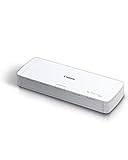
Overview: The Canon imageFORMULA R10 bridges the gap between portability and productivity with its integrated 20-sheet automatic document feeder. This USB-powered scanner brings duplex capabilities to mobile users who need batch processing without being chained to a desk. Weighing minimal and operating quietly, it transforms piles of paperwork into searchable PDFs and digital archives with remarkable efficiency, scanning both sides simultaneously at 12 pages per minute.
What Makes It Stand Out: The R10’s automatic document feeder distinguishes it from single-sheet competitors, enabling true batch scanning on the go. Duplex scanning captures both sides in one pass, saving time and effort. Its broad media handling accommodates everything from receipts and business cards to legal documents and embossed plastic cards, making it versatile for diverse professional needs. The plug-and-play setup requires no technical expertise.
Value for Money: At $162, the R10 commands a premium over basic portable scanners, but the ADF and duplex functionality justify the cost for users processing multi-page documents regularly. Compared to desktop scanners with similar features, it offers substantial savings while maintaining portability, delivering strong value for mobile professionals with heavier scanning volumes.
Strengths and Weaknesses:
- Pros: 20-sheet ADF, single-pass duplex scanning, versatile media handling, USB-powered simplicity, easy setup
- Cons: Slower than some competitors (12 ppm), higher price point, no battery operation, larger than single-sheet models
Bottom Line: The Canon imageFORMULA R10 is ideal for mobile professionals who frequently scan multi-page documents. Its ADF and duplex features make it worth the premium for anyone needing desktop-like capability in a portable package.
4. Hczrc Portable Scanner, Photo Scanner for A4 Documents, Handheld Scanner for Business, Photo, Picture, Receipts, Books, JPG/PDF Format Selection, UP to 900 DPI, with 16G SD Car
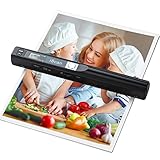
Overview: The Hczrc Portable Scanner takes a radically different approach to mobile digitization with its handheld wand design. Operating independently of computers and powered by simple AA batteries, this scanner offers ultimate freedom for capturing documents, photos, and receipts anywhere. At just $56.99, it includes a 16GB SD card and delivers up to 900 DPI resolution, making it an accessible entry point for occasional scanning needs without software complications.
What Makes It Stand Out: True portability means scanning without tethering to any device—this wand operates completely standalone. The high 900 DPI resolution exceeds many stationary scanners, while the included SD card provides instant storage. No software installation eliminates compatibility headaches across Windows and Mac systems. Users simply sweep the device across documents, making it perfect for scanning books, large formats, or delicate materials that won’t fit through sheet feeders.
Value for Money: This scanner delivers extraordinary value at under $60. The included 16GB SD card, battery operation, and high-resolution capability make it one of the most affordable scanning solutions available. While not suited for high-volume work, it provides capabilities that rival more expensive devices for occasional use, making it a budget champion.
Strengths and Weaknesses:
- Pros: Extremely affordable, truly portable handheld design, high 900 DPI resolution, no computer required, includes SD card
- Cons: Manual scanning requires steady hand, slower workflow, AA batteries not included, inconsistent results possible, no OCR software
Bottom Line: The Hczrc Portable Scanner is perfect for budget-conscious users needing occasional scans without complexity. Its handheld design suits specific use cases but falls short for high-volume professional needs.
5. Brother DS-740D Duplex Compact Mobile Document Scanner

Overview: The Brother DS-740D elevates mobile scanning by adding single-pass duplex capability to an ultra-compact design. Measuring under 12 inches and powered via micro USB 3.0, this scanner processes double-sided documents at 16 ppm without sacrificing portability. It supports Windows, Mac, and Linux platforms while offering advanced image optimization features that automatically enhance text clarity, adjust colors, and remove backgrounds for professional-quality results anywhere.
What Makes It Stand Out: Duplex scanning in such a compact form factor is genuinely impressive, eliminating the need to manually flip pages. The DSD (Desk Saving Design) reduces operational footprint by 11 inches, perfect for cramped workspaces. Advanced software features like automatic color detection, text enhancement, and bleed-through prevention typically found in desktop units. Linux compatibility broadens its appeal to technical professionals and enterprise environments.
Value for Money: While pricing isn’t specified, the DS-740D positions itself as a premium portable solution. The duplex capability and sophisticated image processing justify a higher price point compared to single-sided models. For users regularly scanning double-sided documents, the time savings and professional output quality deliver strong return on investment.
Strengths and Weaknesses:
- Pros: Single-pass duplex scanning, ultra-compact design, advanced image optimization, cross-platform including Linux, fast 16 ppm speed
- Cons: Manual sheet feeding, likely higher price, no ADF for batch scanning, requires software installation
Bottom Line: The Brother DS-740D is the premium choice for mobile professionals needing duplex scanning. Its advanced features and compact design make it ideal for those who prioritize efficiency and document quality on the road.
6. Epson Workforce ES-60W Wireless Portable Sheet-fed Document Scanner for PC and Mac 10.7" x 1.9" x 1.4"

Overview: The Epson Workforce ES-60W redefines mobile document scanning as the fastest, smallest, and lightest wireless sheet-fed scanner in its class. Designed for professionals who need true portability, this device scans a single page in just 4 seconds while offering complete cable-free operation. Measuring a mere 10.7" x 1.9" x 1.4", it slips effortlessly into briefcases and backpacks, making it perfect for traveling executives, remote workers, and mobile notaries who require on-the-go digitization capabilities without being tethered to a computer.
What Makes It Stand Out: The ES-60W’s groundbreaking automatic connectivity detection sets it apart—seamlessly switching between USB and battery-powered wireless modes without user intervention. The integrated LCD display provides real-time wireless and battery status updates, eliminating guesswork during critical scanning sessions. Epson’s ScanSmart Software delivers intelligent document organization with intuitive review and saving options, while cross-platform compatibility extends to PC, Mac, iOS, and Android devices, ensuring maximum flexibility across your entire technology ecosystem.
Value for Money: At $149.99, the ES-60W commands a modest premium over basic portable scanners, but the wireless freedom and intelligent features justify the cost. For mobile professionals, eliminating cable dependency saves time and frustration, making this a worthwhile investment compared to cheaper USB-only alternatives. The productivity gains from true wireless operation offset the price difference within weeks of regular use.
Strengths and Weaknesses: Strengths include exceptional scanning speed, true wireless operation, intelligent connectivity switching, excellent software suite, and cross-platform compatibility. The compact design is genuinely pocket-friendly for a full-featured scanner. Weaknesses are the single-sheet design (no automatic document feeder), limited battery life for high-volume sessions, and price premium over wired competitors. Users with bulk scanning needs may find the manual feeding tedious.
Bottom Line: The Epson Workforce ES-60W is the ideal choice for mobile professionals prioritizing wireless convenience and speed. Its intelligent features and compact design make it worth every penny for those who need reliable scanning anywhere without cable clutter.
7. HP Small USB Document & Photo Scanner for Portable 1-Sided Sheetfed Digital Scanning, Model HPPS100, for Home, Office & Business, PC and Mac Compatible, HP WorkScan Software Included

Overview: The HP PS100 Mobile Document Scanner delivers reliable digitization in an ultra-compact form factor designed for on-the-go professionals. This USB-powered sheetfed scanner processes documents at 15 pages per minute (one page every 4 seconds) without requiring batteries or charging. Compatible with both PC and Mac systems, it transforms invoices, contracts, receipts, and photos into digital files with professional-grade 1200 dpi resolution, making it suitable for home offices, small businesses, and mobile workers who primarily work near a computer.
What Makes It Stand Out: The PS100’s stunning 1200 dpi optical resolution surpasses most portable scanners, ensuring exceptional detail for photos and fine text. Its USB 2.0 bus-powered operation eliminates battery concerns while maintaining true portability. The included HP WorkScan Software provides auto-scan detection, size recognition, image optimization, and one-click saving to multiple formats, streamlining workflow without technical complexity. The scanner handles versatile paper sizes from 2" x 2.9" to 8.5" x 14", accommodating everything from business cards to legal documents.
Value for Money: Priced at $139.99, the PS100 undercuts wireless competitors while delivering superior resolution. For users who work primarily near computers, the USB-only design represents smart cost savings without sacrificing core functionality, offering better value than pricier battery-powered alternatives. The high resolution alone justifies the price for photography enthusiasts and professionals needing archival-quality scans.
Strengths and Weaknesses: Strengths include high-resolution scanning, reliable USB power (no charging needed), intuitive software, compact portability, and versatile format support. The simplex one-sided scanning delivers consistent results in a single pass. Weaknesses include lack of wireless connectivity, simplex-only scanning (no duplex), manual single-sheet feeding, and dependency on a USB connection. The USB power requirement limits true mobility.
Bottom Line: The HP PS100 is perfect for budget-conscious users who prioritize image quality and simplicity over wireless convenience. It’s an excellent workhorse for stationary or semi-mobile scanning needs where a computer is always available.
8. Brother ADS-1300 Compact Desktop Scanner | Scan Speeds of Up to 30ppm | Single Pass Double-Sided Scanning

Overview: The Brother ADS-1300 Compact Desktop Scanner bridges the gap between bulky office equipment and portable devices, delivering desktop-grade performance in a space-saving design. With scan speeds reaching 30 pages per minute and single-pass duplex capability, this scanner efficiently handles substantial document batches via its 20-page automatic document feeder. Powered through USB connection, it’s ideal for home offices, small businesses, and professionals needing serious scanning power without the footprint of traditional machines, though it’s less suited for true travel.
What Makes It Stand Out: The ADS-1300’s 20-page ADF and duplex scanning are rare in compact scanners, enabling unattended batch processing that transforms productivity. Its ability to scan directly to a computer or USB flash drive adds versatility, while the dedicated card slot accommodates business cards, ID badges, and plastic cards without requiring adapters. The bundled software suite provides comprehensive document management, OCR, and file organization tools that rival enterprise solutions, making it a complete organizational system.
Value for Money: At $224.99, this is the premium option in the compact category, but the productivity gains justify the investment. The ADF and duplex features save hours of manual labor, making it more cost-effective than cheaper single-sheet scanners for regular high-volume users. For businesses processing contracts, invoices, or archival materials daily, the time savings deliver rapid ROI.
Strengths and Weaknesses: Strengths include rapid duplex scanning, generous ADF capacity, versatile media handling, direct USB drive scanning, and robust software bundle. The 30ppm speed is class-leading. Weaknesses include lack of battery power (not truly portable), larger size than travel scanners, and highest price point in the comparison. It requires a stable surface and can’t be used on the move like battery-powered alternatives.
Bottom Line: For users with regular scanning volumes who need automatic feeding and duplex capabilities, the Brother ADS-1300 is worth the premium. It’s a compact powerhouse that effectively replaces full-sized office scanners for small business environments.
9. Doxie Go SE - The Intuitive Portable Document Scanner with Rechargeable Battery and Easy Software for Home, Office, or Work from Home
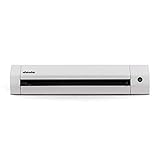
Overview: The Doxie Go SE revolutionizes portable scanning by eliminating the need for a computer entirely. This intuitively designed, battery-powered scanner operates independently, allowing users to digitize documents anywhere without tethering to devices. Scanning full-color pages in 8 seconds at up to 600 dpi, the Doxie stores up to 8,000 pages internally and processes up to 400 pages per charge. Its magazine-sized form factor and rechargeable battery make it perfect for home offices, remote work, and mobile professionals seeking ultimate flexibility and scanning autonomy.
What Makes It Stand Out: True PC-free operation distinguishes the Doxie Go SE—scan anywhere, sync later when convenient. The included Doxie app seamlessly transfers scans to your favorite applications, while integrated ABBYY OCR technology creates searchable PDFs with exceptional accuracy. The combination of rechargeable battery, massive internal storage, and intelligent software creates an unmatched standalone scanning experience that works completely independently of any computing device during the scanning process.
Value for Money: At $189.00, the Doxie commands a premium, but the freedom from computer dependency justifies the cost for mobile users. For those who value scanning autonomy and work in varied locations, this investment pays dividends in convenience and productivity. The inclusion of professional-grade ABBYY OCR adds significant value compared to basic scanning solutions.
Strengths and Weaknesses: Strengths include complete wireless independence, excellent battery life, huge storage capacity, superior OCR software, and compact design. The ability to scan without any device present is transformative. Weaknesses include slower scan speed than some competitors (8 seconds vs 4 seconds), 600 dpi resolution (lower than some alternatives), and premium pricing that may deter casual users.
Bottom Line: The Doxie Go SE is the ultimate portable scanner for those who need true independence from computers. If you value freedom and flexibility above all else, this is your best choice despite the higher price point.
10. MUNBYN Portable Scanner, Photo Scanner for A4 Documents Pictures Pages Texts in 900 Dpi, Flat Scanning, Include 16G SD Card, Wand Document Reader Uploads Images to Computer Via USB Cable, No Driver

Overview: The MUNBYN Portable Scanner offers an affordable entry into mobile digitization with its unique handheld wand design. Unlike traditional sheet-fed scanners, this device manually scans photos, documents, and book pages by gliding across originals, completing scans in 3-5 seconds at 900 dpi resolution. Powered by AA batteries and requiring no drivers, it includes a 16GB SD card for storing thousands of scans, making it accessible for casual users, students, and those preserving old photographs where gentle handling is paramount.
What Makes It Stand Out: The wand-style flat scanning approach prevents damage to delicate originals, making it ideal for aging photos or bound materials where sheet-fed scanners would cause harm. Its driver-free operation ensures plug-and-play simplicity across devices, while the included 16GB SD card provides immediate storage without additional purchases. The 900 dpi resolution delivers impressive clarity for the price point, and the lightweight design (0.66 lbs) makes it truly pocketable.
Value for Money: At $56.89, this is by far the most economical option, offering basic scanning capabilities at a fraction of competitors’ prices. While it lacks automation and advanced features, it provides exceptional value for occasional users and those with specialized scanning needs. The included SD card and driver-free operation remove common entry barriers for budget-conscious buyers.
Strengths and Weaknesses: Strengths include ultra-affordable price, gentle flat scanning that protects delicate items, high resolution, no driver requirement, included SD card, and simple operation. Weaknesses include manual scanning requiring a steady hand, no automatic feeding, AA batteries not included, lower consistency than sheet-fed scanners, and no bundled OCR software for text recognition.
Bottom Line: The MUNBYN is perfect for budget-conscious users needing occasional scans of photos or delicate documents. It’s a specialized tool that excels in gentle handling while sacrificing automation and speed, making it ideal for archival projects rather than daily office use.
Why Portable Scanners Are the Cornerstone of Digital Transformation
Understanding the Paperless Workflow Revolution
The shift toward paperless operations represents more than a trend—it’s a fundamental reimagining of information accessibility. A genuine paperless workflow means documents flow seamlessly from physical to digital states, becoming instantly searchable, backed up automatically, and accessible from anywhere on earth. Portable scanners serve as the crucial bridge in this ecosystem, capturing information at the source before it can enter the black hole of physical filing systems. Unlike their bulky desktop counterparts, these devices recognize that business doesn’t happen exclusively in offices. They acknowledge that the most important documents often appear during client dinners, at conference booths, or in hotel lobbies.
The Mobile Professional’s Secret Weapon
Today’s knowledge workers operate in a hybrid world where productivity isn’t tied to a desk. The true power of portable scanners lies in their ability to capture documents during the “critical moment”—when the contract is signed, when the receipt is issued, or when the handwritten notes are freshest. This immediacy eliminates the dangerous gap between document creation and digitization, where countless important papers are lost, damaged, or forgotten. A well-chosen portable scanner becomes less of a tool and more of a digital insurance policy, ensuring no valuable information slips through the cracks of your busy schedule.
Types of Portable Scanners: Finding Your Perfect Match
Sheet-Fed vs. Flatbed: The Fundamental Choice
The architecture of your scanner fundamentally shapes its capabilities. Sheet-fed scanners excel at processing multi-page documents rapidly, pulling pages through automatically like a miniature printing press in reverse. They shine for contracts, reports, and any standardized paperwork. However, their mechanical feeding systems can struggle with fragile, oversized, or oddly-shaped documents. Flatbed portable scanners, while slightly bulkier, offer gentle, stationary scanning surfaces perfect for books, photographs, or thick materials like ID cards. The trade-off involves speed versus versatility—understanding which documents dominate your workflow makes this decision straightforward.
Pen Scanners: Ultra-Portability Redefined
Pen scanners represent the extreme end of portability, fitting literally in your pocket like a highlighter. These devices scan line-by-line, making them ideal for capturing text from books, newspapers, or documents you can’t physically remove from a location. While unsuitable for full-page scanning, they excel at research, citation gathering, and quick text extraction. The learning curve involves mastering a steady hand movement, but for academics, journalists, and researchers, the ability to digitize specific passages without copying entire pages proves invaluable.
Smartphone Scanner Apps: When Hardware Meets Software
The smartphone in your pocket already contains a capable camera, but dedicated scanner apps transform it into a document management tool. While not true scanners, these apps use perspective correction, edge detection, and enhancement algorithms to create scan-quality images. The limitation lies in hardware—camera optics and lighting conditions affect consistency. For occasional scanning needs, they suffice. For daily, business-critical digitization, dedicated hardware’s reliability, speed, and quality control become non-negotiable.
Key Features That Define Exceptional Performance
Resolution and Image Quality: Beyond the Megapixel Myth
Scanner resolution, measured in dots per inch (DPI), directly impacts text clarity and OCR accuracy. While 300 DPI suffices for most documents, 600 DPI becomes essential for capturing fine print, signatures, or documents with complex layouts. However, higher resolution creates larger file sizes, slowing cloud uploads and consuming storage. Smart scanners offer resolution optimization, automatically adjusting based on document type. Look beyond raw DPI numbers to sensor quality, color depth (measured in bits), and dynamic range—these determine whether your scans look crisp or muddy, especially in challenging lighting conditions.
Scanning Speed: Balancing Pace with Precision
Manufacturers advertise pages per minute (PPM), but real-world speed involves more than mechanical feeding rates. Warm-up time, file processing, and transfer speeds collectively determine throughput. A scanner that processes 20 PPM but takes 30 seconds to initialize may be slower in practice than a 15 PPM model ready instantly. Consider your typical batch sizes—scanning five receipts requires different speed characteristics than digitizing a 50-page contract. The best scanners offer burst mode for small jobs and sustained performance for large batches without overheating or jamming.
Connectivity Options: From USB-C to Cloud Integration
Modern workflows demand flexible connectivity. USB-C offers universal charging and data transfer, while Wi-Fi enables cable-free operation from multiple devices. NFC (Near Field Communication) allows one-touch pairing with smartphones. But the real differentiator is direct cloud integration—scanners that upload directly to Dropbox, Google Drive, or corporate servers without a computer intermediary. This feature eliminates workflow bottlenecks and ensures documents are backed up before you even return to your desk. Evaluate whether a scanner requires proprietary software or works with standard protocols, as this affects long-term compatibility.
Battery Life and Power Management
Nothing kills productivity like a dead scanner during a critical client meeting. Battery capacity, measured in milliampere-hours (mAh), tells only part of the story. Power management algorithms, sleep modes, and the ability to scan while charging define true field usability. Some scanners sip power, offering 200+ scans per charge, while others guzzle it, requiring mid-day recharging. Consider whether the device uses standard USB charging or proprietary cables—the former ensures you can recharge anywhere, while the latter leaves you stranded if you forget the specific cord.
Document Management: From Scan to Organization
OCR Technology: The Game-Changer for Searchability
Optical Character Recognition transforms image-based scans into searchable, editable text. Not all OCR is equal—basic OCR captures typed text, while advanced versions handle handwriting, multiple languages, and preserve document formatting. The critical factor is whether OCR processing happens on-device (faster, works offline) or in the cloud (more powerful, requires internet). For sensitive documents, on-device OCR provides security benefits. For maximum accuracy, cloud-based OCR leverages AI and machine learning improvements. The best scanners offer both, letting you choose based on context.
File Format Flexibility: PDF, JPG, or Something Else?
Different documents serve different purposes, requiring appropriate file formats. PDF/A ensures long-term archival stability, while searchable PDFs balance fidelity with text accessibility. JPG works for quick sharing but lacks multi-page support. TIFF offers lossless compression for archival photography. Modern scanners should output multiple formats natively, without requiring computer-side conversion. Some even generate editable Word or Excel files directly, preserving tables and layouts. Consider your downstream workflow—accounting software may require specific formats, while legal systems might demand PDF/A compliance.
Building Your Paperless Ecosystem
Cloud Storage Integration: Your Digital Filing Cabinet
A scanner isolated from your cloud storage creates manual transfer work that defeats the purpose of portability. True workflow integration means scanning directly into folder structures, applying metadata tags automatically, and respecting existing organizational systems. Look for scanners with native support for your preferred cloud platform, whether that’s consumer services like iCloud or enterprise solutions like SharePoint. The ability to set scan destinations as presets transforms multi-step processes into single-button operations, crucial when processing dozens of documents in quick succession.
Mobile App Synergy: Extending Functionality
Companion mobile apps should enhance, not complicate, the scanning experience. Quality apps offer remote control, real-time preview, image enhancement, and immediate sharing options. They should sync scanned documents seamlessly, maintain organization across devices, and integrate with your phone’s native sharing capabilities. Beware of apps that require constant re-authentication, suffer from sync delays, or lock features behind paywalls. The scanner-hardware combination should feel like a unified system, not two loosely-connected products from different companies.
Practical Considerations for Real-World Use
Portability Metrics: Size, Weight, and Durability
“Portable” means different things in different contexts. A device weighing 12 ounces might be perfect for a briefcase but too heavy for a jacket pocket. Consider dimensional constraints—will it fit in your laptop bag’s dedicated pouch? Durability matters equally; road warriors need scanners with reinforced feed mechanisms, protective cases, and scratch-resistant scanning surfaces. IP ratings (Ingress Protection) indicate dust and moisture resistance, valuable for fieldwork. The most portable scanner is the one you’ll actually carry daily, not the one that stays in your hotel room because it’s inconvenient.
Cost of Ownership: Beyond the Purchase Price
The sticker price rarely reflects true cost. Factor in replacement parts—feed rollers wear out, batteries degrade, and scanning mats scratch. Some manufacturers offer all-inclusive warranties with free parts replacement, while others charge premium prices for proprietary components. Ink costs don’t apply, but calibration sheets and cleaning supplies add up. Consider software subscription fees for advanced OCR or cloud features. A $200 scanner requiring $15/month software subscriptions costs more than a $400 scanner with lifetime software in under two years. Calculate total cost of ownership over your expected device lifespan.
Security in the Digital Age
Data Encryption and Secure Scanning Protocols
Scanning sensitive documents on public Wi-Fi or shared devices introduces security risks. Enterprise-grade scanners offer AES-256 encryption for stored scans and secure boot processes that prevent firmware tampering. Look for devices that support WPA3 Wi-Fi security and offer VPN tunneling options. Some scanners include secure erase functions that overwrite deleted files, preventing data recovery. For healthcare, legal, or financial work, ensure the device meets compliance standards like HIPAA or GDPR. The most secure scanner is one that processes sensitive documents entirely offline, with manual transfer to encrypted drives.
Troubleshooting Common Challenges
Paper Jams, Image Artifacts, and Connectivity Issues
Even premium scanners encounter problems. Paper jams often result from humidity-affected paper or worn feed rollers—regular cleaning prevents most issues. Image artifacts like streaks or shadows typically indicate dirty sensors or misaligned calibration. Connectivity drops frequently stem from power-saving modes or conflicting network protocols. Understanding these root causes helps you evaluate build quality—scanners with easily accessible cleaning modes, clear error messaging, and robust customer support minimize downtime. Before purchasing, research the manufacturer’s support reputation and the availability of replacement parts.
Future-Proofing Your Investment
Emerging Technologies on the Horizon
The scanning landscape evolves rapidly. AI-powered document classification automatically sorts receipts from business cards. Machine learning improves OCR accuracy on handwritten notes. 3D scanning capabilities capture textured documents and embossed seals. USB4 and Wi-Fi 6E promise faster transfers, while solid-state storage eliminates moving parts. Consider scanners with firmware update capabilities and modular designs that accommodate future accessories. Investing in a scanner with an open API allows integration with upcoming workflow tools. The goal is purchasing a device that remains relevant as your needs grow more sophisticated.
Frequently Asked Questions
1. What’s the minimum DPI I need for clear text recognition? For standard printed documents, 300 DPI provides excellent OCR accuracy while keeping file sizes manageable. However, if you frequently scan small fonts (below 8pt), handwritten notes, or documents with complex layouts, 600 DPI significantly improves recognition rates and future-proofs your digital archives.
2. Can portable scanners handle glossy receipts and thermal paper? Yes, but quality varies dramatically. Look for scanners with adjustable contrast settings and specialized receipt modes that compensate for glossy surfaces and fading thermal print. Some models include backlighting to enhance faint text. Always test with your typical receipt age—faded thermal paper from six months ago presents different challenges than fresh prints.
3. How important is battery life for occasional users? Even if you scan weekly, battery degradation means a scanner rated for 100 scans might only manage 20 after a year of sitting unused. Prioritize models with replaceable batteries or those that operate while plugged in. For truly occasional use, consider USB-powered-only models that eliminate battery concerns entirely.
4. Do I need a scanner with a built-in display? Displays simplify standalone operation, letting you select destinations and preview scans without a phone. However, they add cost, complexity, and battery drain. If you always scan to the same cloud folder, a display is unnecessary. For varied workflows involving multiple destinations, displays prevent errors and save time.
5. What’s the difference between cloud-ready and cloud-integrated scanners? Cloud-ready scanners require a computer or phone app to upload files, while cloud-integrated models connect directly to Wi-Fi and upload independently. The latter eliminates a workflow step and ensures backups happen immediately. For security, some users prefer cloud-ready models that allow reviewing scans before uploading.
6. How do I clean and maintain my portable scanner? Use compressed air to remove dust from feed mechanisms weekly if scanning daily. Clean the scanning sensor monthly with manufacturer-approved wipes—never use alcohol on plastic components. Replace feed rollers every 5,000 scans or when jamming increases. Store in a case to prevent sensor scratches, and avoid extreme temperatures that degrade battery performance.
7. Can one scanner handle both documents and photographs? Yes, but compromises exist. Document-optimized scanners prioritize speed and text clarity, sometimes using lower color depth that flatters photos poorly. Photography-focused models scan slower but capture wider color gamuts. For mixed use, seek scanners with dedicated photo modes offering at least 48-bit color depth and the ability to disable automatic sharpening that can ruin photo scans.
8. Are smartphone scanner apps truly comparable to dedicated hardware? For casual use, advanced apps produce acceptable results. However, they lack hardware consistency—lighting, focus, and stability vary with each shot. Dedicated scanners provide uniform lighting, fixed focus distances, and mechanical paper handling that ensures every scan meets professional standards. The gap widens with batch scanning or challenging materials like wrinkled documents.
9. What security features should I prioritize for confidential documents? Demand AES-256 encryption for data at rest, the ability to password-protect PDFs directly on the device, and secure Wi-Fi protocols (WPA3). For maximum security, choose scanners that process OCR locally rather than sending images to cloud servers. Some enterprise models include tamper-evident seals and audit logs tracking every scan operation.
10. How long should a quality portable scanner last? With proper maintenance, expect 3-5 years of reliable service. Heavy daily use may require roller replacements annually. Premium models with metal chassis and modular designs often last 7+ years. Software support matters more than hardware—manufacturers that provide firmware updates for older models extend functional lifespan significantly beyond the physical device’s durability.