Imagine trying to concentrate in a bustling open office while the rhythmic clack-clack-clack of a colleague’s keyboard sounds like a miniature typewriter convention. Or picture settling into your home office early in the morning, only to realize your partner is still asleep in the next room, and your usual satisfying keystrokes might as well be jackhammers. In shared environments – whether collaborative workspaces, co-working hubs, libraries, or even quiet home offices – the noise output of a mechanical keyboard can quickly shift from a personal pleasure to a collective disturbance. The quest for a mechanical typing experience that doesn’t disrupt the peace has become less of a niche concern and more of a practical necessity for modern professionals and enthusiasts alike.
Finding the right balance between the tactile feedback mechanical switches are renowned for and the hushed operation required in sensitive acoustic environments is entirely possible. It’s not about sacrificing the mechanical feel you love; it’s about making informed choices that align with your surroundings. The good news is that advancements in switch technology, keyboard construction, and accessory design have made truly low-noise mechanical keyboards more accessible and effective than ever before. Understanding the specific elements that contribute to keyboard noise – and how to mitigate them – is the key to enjoying the benefits of mechanics without the acoustic drawbacks, ensuring harmony in any shared space.
Top 10 Low Noise Mechanical Keyboards
Detailed Product Reviews
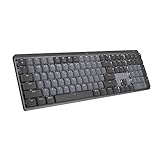
1. Logitech MX Mechanical Wireless Illuminated Performance Keyboard, Tactile Quiet Switches, Backlit Keys, Bluetooth, USB-C, macOS, Windows, Linux, iOS, Android, Metal, Graphite
Overview:
The Logitech MX Mechanical delivers premium wireless typing with tactile quiet switches, designed for professionals seeking precision and minimal noise disruption. Its full-size layout, metal construction, and multi-OS compatibility cater to demanding workflows across desktops and laptops.
What Makes It Stand Out:
Smart illumination activates as hands approach and auto-adjusts to ambient light, while Logi Options+ enables deep customization (Fn keys, Flow cross-computer control). Tactile quiet switches offer satisfying feedback without distraction, and the low-profile design enhances ergonomics. Bluetooth LE and Bolt receiver support seamless switching between three devices.
Value for Money:
Priced at a premium, it justifies cost through exceptional build quality, OS versatility, and productivity-boosting features like Flow. Competitors often lack macOS optimization or smart lighting, making this a long-term investment for multi-device users despite cheaper alternatives.
Strengths and Weaknesses:
Strengths: Near-silent typing, superb ergonomics, intuitive multi-device pairing, durable metal frame, and adaptive backlighting.
Weaknesses: Higher price than basic wireless keyboards; Bolt receiver storage could be more accessible.
Bottom Line:
Ideal for professionals prioritizing quiet, customizable typing across ecosystems. Its refined execution and productivity tools make it worth the premium for serious daily use.
2. Arteck Mechanical 2.4G USB Wireless Performance Keyboard, Tacktile Quiet Brown Switches, Stainless Steel Low Profile for PC/Desktop/Laptop/TV and Windows 11/10 Built in Rechargeable Battery Black

Overview:
Arteck’s budget-friendly wireless mechanical keyboard offers tactile brown switches and stainless steel backing for reliable, quiet typing. Targeted at home/office users, it emphasizes plug-and-play simplicity and long battery life for Windows-focused setups.
What Makes It Stand Out:
The standout feature is its remarkable 6-month battery life on a single charge, far exceeding most wireless mechanical keyboards. The nano receiver stores inside the keyboard, and low-profile brown switches balance tactile feedback with reduced noise. Stainless steel backing adds stability without bulk.
Value for Money:
Exceptional value under $50, providing mechanical-keyboard benefits at a near-membrane price. Competitors like Logitech’s K375 lack true mechanical switches, while Arteck delivers durability and typing satisfaction for basic productivity needs.
Strengths and Weaknesses:
Strengths: Outstanding battery longevity, quiet operation, sturdy build, easy setup, and included USB-C cable.
Weaknesses: Limited OS support (Windows-centric); no Bluetooth or advanced customization software; basic backlighting.
Bottom Line:
A superb budget pick for Windows users wanting mechanical feel without complexity. Its endurance and simplicity make it perfect for casual typing, though enthusiasts may crave more features.
3. EPOMAKER x Aula F75 Gasket Mechanical Keyboard, 75% Wireless Hot Swappable Gaming Keyboard with Five-Layer Padding&Knob, BT/2.4GHz/USB-C, RGB (Light Blue, LEOBOG Reaper Switch)

Overview:
The F75 merges enthusiast-grade customization with wireless versatility in a compact 75% layout. Designed for typists and gamers seeking acoustic refinement and modularity, it features gasket mounting, hot-swap sockets, and multi-mode connectivity.
What Makes It Stand Out:
Its five-layer internal padding (including Poron foam) drastically reduces noise/resonance for a “thocky” sound profile, while the gasket structure ensures a plush, fatigue-resistant feel. Full-key hot-swap support, a media knob, and triple connectivity (BT/2.4G/USB-C) cater to tinkerers. The pre-lubed Reaper switches offer smooth, quiet actuation.
Value for Money:
Priced mid-range for custom-keyboard features, it delivers exceptional value with included switch upgrades and no assembly needed. Few rivals offer comparable acoustic tuning and modularity at this price.
Strengths and Weaknesses:
Strengths: Premium sound dampening, hot-swap flexibility, ergonomic gasket design, long battery life, and intuitive knob control.
Weaknesses: 75% layout may frustrate full-size loyalists; RGB software can be finicky; limited stock switch variety.
Bottom Line:
A top choice for enthusiasts wanting a refined, customizable typing experience. Its acoustic engineering and modularity justify the cost for those valuing sound quality and personalization.
4. Keychron K3 Version 2, 84 Keys Ultra-Slim Wireless Bluetooth/USB Wired Mechanical Keyboard with White LED Backlit, Low-Profile Keychron Mechanical Brown Switch Compatible with Mac Windows

Overview:
Keychron’s K3 V2 is an ultra-slim 75% wireless keyboard prioritizing portability and Mac compatibility. Its low-profile brown switches and aluminum build target users seeking a minimalist, travel-friendly mechanical solution.
What Makes It Stand Out:
At just 15mm thick, it’s among the slimmest wireless mechanical keyboards. The unique Mac-focused layout includes dedicated macOS media keys, with included Windows keycaps for flexibility. Broadcom Bluetooth 5.1 ensures stable multi-device pairing (3 devices), while the white LED backlight complements its sleek aesthetic.
Value for Money:
Competitively priced against ultra-slim alternatives (e.g., Logitech MX Keys), it offers true mechanical switches where others use scissor mechanisms. The included OS-specific keycaps and aluminum top case enhance value for Mac-centric professionals.
Strengths and Weaknesses:
Strengths: Exceptional portability, Mac/Windows versatility, responsive low-profile switches, stable multi-device support.
Weaknesses: Plastic bottom frame feels less premium; backlight lacks color customization; limited keycap compatibility due to low profile.
Bottom Line:
The best ultra-slim mechanical keyboard for Mac users needing portability without sacrificing tactility. Ideal for travelers and minimalists, though hardcore typists may prefer deeper key travel.
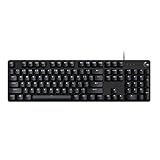
5. Logitech G413 SE Full-Size Mechanical Gaming Keyboard - Backlit Keyboard with Tactile Mechanical Switches, Anti-Ghosting, Compatible with Windows, macOS - Black Aluminum
Overview:
Logitech’s G413 SE is a no-frills wired gaming keyboard built for durability and responsive performance. Featuring tactile switches and a brushed aluminum top plate, it targets gamers seeking reliability over RGB flair.
What Makes It Stand Out:
PBT keycaps resist shine and wear far better than ABS alternatives, ensuring long-term legibility. The full-size layout with 6KRO anti-ghosting guarantees accurate inputs during intense gameplay, while the minimalist white LED backlight avoids distraction. Tactile switches deliver crisp actuation for both gaming and typing.
Value for Money:
Priced modestly for a metal-bodied gaming keyboard, it outperforms similarly priced membrane keyboards in longevity and feedback. It lacks the RGB of rivals like Razer Cynosa but justifies cost through PBT keycaps and robust construction.
Strengths and Weaknesses:
Strengths: Durable PBT keycaps, sturdy aluminum frame, reliable tactile switches, clean white backlighting.
Weaknesses: Wired-only; no media knob or dedicated macro keys; backlight brightness limited to two levels.
Bottom Line:
A dependable, understated workhorse for gamers prioritizing durability and tactile feedback. Its focus on core functionality makes it a smart buy for budget-conscious enthusiasts.
6. Arteck Mechanical 2.4G USB Wireless Performance Keyboard, Tacktile Quiet Brown Switches, Stainless Steel Low Profile for PC/Desktop/Laptop/TV and Windows 11/10 Built in Rechargeable Battery Gray

Overview:
This full-size mechanical keyboard targets productivity users seeking quiet, comfortable typing. Featuring tactile quiet brown switches, a stainless steel backplate, and a low-profile design, it promises a premium experience for office or home use with broad OS compatibility.
What Makes It Stand Out:
The standout elements are its remarkably quiet tactile brown switches combined with a rigid stainless steel base, ensuring stability without excessive noise. The ultra-low profile keys enhance ergonomics for extended typing sessions, while the built-in rechargeable battery delivers an impressive six months per charge. Plug-and-play setup via the included nano receiver adds convenience.
Value for Money:
Priced mid-range, it justifies cost through exceptional battery life, durable stainless steel construction, and genuine mechanical reliability. It outperforms cheaper membrane keyboards in feel and longevity, though premium low-profile mechanicals may offer more customization.
Strengths and Weaknesses:
Strengths: Exceptionally quiet operation; long battery life; sturdy stainless steel build; comfortable low-profile ergonomics; seamless Windows compatibility.
Weaknesses: Limited Mac functionality; no backlighting; basic plastic keycaps; lacks advanced features like hot-swap sockets.
Bottom Line:
Ideal for Windows-focused professionals prioritizing quiet, fatigue-free typing. While lacking gaming flair or Mac optimization, its durability, battery life, and refined mechanics make it a strong office investment at its price point.
7. Redragon K719 Wireless Gasket Gaming Keyboard w/Hype Screen & Knob, 95 Keys Mechanical Keyboard, Easy-Control 1.14’’ TFT Info Display, 5-Layer Noise Dampener, Round PBT Keycaps, Mint Mambo Switch

Overview:
A feature-packed wireless gasket-mount mechanical keyboard designed for enthusiasts who value aesthetics, customization, and acoustic refinement. Its 95% layout, unique TFT screen, and multi-mode connectivity cater to gamers and typists seeking a premium, personalized experience.
What Makes It Stand Out:
The 1.14-inch customizable TFT screen displaying real-time stats, GIFs, and system info is revolutionary. Combined with the gasket-mounted structure and five-layer noise dampening (including foam and silicone pads), it delivers a uniquely soft, “thocky” sound profile. Tri-mode connectivity and hot-swappable Mint Mambo linear switches add versatility.
Value for Money:
Positioned at a premium price, it’s justified by the cutting-edge screen, exceptional sound tuning, and comprehensive gasket design rarely seen below $150. Competitors often lack either the screen innovation or acoustic sophistication, making it a standout for tech-forward users.
Strengths and Weaknesses:
Strengths: Innovative TFT screen; superb noise dampening; tri-mode flexibility; hot-swappable switches; premium PBT keycaps; gasket-mounted smoothness.
Weaknesses: Complex setup for screen customization; 95% layout may frustrate full-size loyalists; battery life lags behind simpler keyboards.
Bottom Line:
A top pick for creators and gamers wanting a visually dynamic, acoustically refined keyboard. Despite a steeper learning curve, the screen and gasket engineering offer unmatched personalization and typing satisfaction for the price.
8. Redragon K745 Wired Gasket RGB Gaming Keyboard, 108 Keys Mechanical Keyboard w/Extra 4 Hotkeys, Upgraded Hot-swappable Socket, 5-Layer Noise Dampening, Creamy & Thocky Custom Linear Switch

Overview:
This full-size wired gasket-mount keyboard focuses on acoustic perfection and mechanical customization. With 108 keys, dedicated macro keys, and extensive dampening, it’s built for typists and gamers demanding a quiet, tactile experience without wireless compromises.
What Makes It Stand Out:
Its full-size layout with four extra hotkeys provides unmatched practicality. Five-layer noise dampening (PO foam, IXPE, PET pad, etc.) paired with a gasket mount eliminates hollow sounds, creating a deep “thock.” Hot-swappable Dragon Chant linear switches and RGB backlighting enable deep personalization, while the ergonomic two-stage feet enhance comfort.
Value for Money:
Offering gasket-mount quality and hot-swap sockets under $100, it’s exceptional value. Few competitors at this price include five dampening layers and a full-size form factor, making it ideal for enthusiasts seeking studio-quality acoustics without breaking the bank.
Strengths and Weaknesses:
Strengths: Outstanding noise dampening; true full-size layout with extra macros; hot-swappable switches; ergonomic feet; vibrant RGB; gasket-mounted consistency.
Weaknesses: Wired-only limits mobility; RGB software can be clunky; keycap color scheme may not suit all aesthetics.
Bottom Line:
Highly recommended for wired keyboard purists prioritizing acoustic refinement and customization. Its robust build, practical layout, and premium dampening deliver elite typing quality far exceeding its modest price tag.
9. Flow Lite 100 Keys Low Profile Mechanical Keyboard, Swappable Rechargeable Wireless Keyboard with 2.4G Receiver, Bluetooth and Wired Connection for Windows, Mac/ Specter Linear Switches (Marble)

Overview:
A minimalist, budget-friendly low-profile mechanical keyboard blending portability with essential wireless flexibility. Its marble-inspired design, ultra-light switches, and gasket mount target users seeking Apple-esque aesthetics with mechanical reliability for daily productivity.
What Makes It Stand Out:
The 40gf Specter POM linear switches dramatically reduce finger fatigue, while the gasket design ensures a soft, cushioned feel uncommon in low-profile boards. Dual-tone PBT/PC keycaps offer durability and backlighting, and triple-mode connectivity (BT/2.4G/wired) provides seamless device switching—all in a sleek, textured ABS body.
Value for Money:
At an entry-level price, it delivers surprising sophistication: genuine low-profile mechanics, switch hot-swap capability, and thoughtful ergonomics. Though the ABS build feels less premium than aluminum alternatives, the switch innovation and wireless versatility make it a steal under $80.
Strengths and Weaknesses:
Strengths: Ultra-light 40gf switches for comfort; hot-swap support; triple connectivity; durable PBT keycaps; gasket-mounted soft landings; Mac/Windows compatible.
Weaknesses: ABS construction lacks heft; limited RGB; no dedicated media keys; gasket tuning less refined than premium models.
Bottom Line:
Perfect for Mac users or minimalist typists wanting a comfortable, portable mechanical keyboard. While not feature-rich, its focus on ergonomic switches and clean design offers exceptional value for casual and professional use.
10. Redragon K618 PRO 3-Mode Wireless RGB Mechanical Keyboard, BT/2.4Ghz/Wired Low Profile Win/Mac Gaming Keyboard w/Ultra-Thin Design, Dedicated Media Control & Linear Red Switch

Overview:
A versatile 3-mode wireless low-profile keyboard engineered for multi-device productivity and gaming. Its ultra-slim profile, dedicated media controls, and cross-platform compatibility target users needing seamless switching between workstations and entertainment systems.
What Makes It Stand Out:
The standout feature is true tri-mode connectivity (BT 5.0/2.4G/wired) with effortless device toggling. Its “30% cutted” ultra-thin design—paired with 40g linear red switches—ensures shallow actuation for speed, while dedicated macro and media keys streamline workflows. Tank-like build quality and vibrant RGB customization add robustness.
Value for Money:
Priced competitively, it excels as a hybrid productivity/gaming tool. Few low-profile keyboards offer such reliable multi-device switching, macro functionality, and structural durability. It outperforms single-mode rivals, justifying cost for professionals managing multiple systems.
Strengths and Weaknesses:
Strengths: Flawless tri-mode switching; ultra-slim yet sturdy build; dedicated media/macro keys; bright RGB customization; strong cross-platform support.
Weaknesses: Linear switches lack tactile feedback; battery life shorter than simpler boards; keycap legends fade over time.
Bottom Line:
An excellent choice for multi-device users seeking speed and convenience. Its seamless connectivity, media controls, and slim profile make it a highly functional daily driver for both office and gaming, offering strong ROI for its price.
Understanding Keyboard Noise Sources
Before diving into solutions, it’s crucial to pinpoint exactly where the noise originates. Not all mechanical keyboard sounds are created equal, and addressing the right source is half the battle.
The Switch Itself: Primary Culprit
The core noise during typing comes from the switch mechanism. This includes the sound of the stem hitting the top housing during the downstroke (the “ping” or “click”), the stem hitting the bottom housing when fully pressed (the “bottom-out”), and, in the case of clicky switches, the deliberate tactile feedback click. The materials used (plastic types, metal springs) and the internal design significantly influence the volume and character of these sounds.
Stabilizers: The Unseen Amplifier
Larger keys like the spacebar, enter, and shift rely on stabilizers to prevent wobble. Poorly lubed or rattling stabilizers are notorious for producing loud, unpleasant clacks or rattles that can often be louder and more jarring than the switches themselves, especially on certain keypresses. They act as unintended resonators.
Case and Plate Resonance: The Echo Chamber Effect
The materials and construction of the keyboard’s case (top and bottom) and the plate (the layer holding the switches) play a huge role. Thin plastic cases or metal plates without damping can vibrate and amplify switch and stabilizer noises, turning a small sound into a room-filling clatter. A well-damped structure absorbs these vibrations instead of projecting them.
Key Features to Prioritize for Quiet Operation
Selecting a genuinely quiet mechanical keyboard requires looking beyond just the switch type. It’s a holistic evaluation of design and components.
Switch Selection: Beyond Just “Silent”
While “silent” or “low-profile” switches are marketed for quietness, understanding the nuances is vital. Linear switches (smooth press) generally produce less noise than tactile or clicky ones. Look for switches specifically engineered with noise reduction: features like internal dampeners (rubber bumpers), longer travel with reduced bottom-out force, or unique stem/housing designs that muffle the sound. Avoid traditional clicky switches entirely for shared spaces.
Stabilizer Quality and Implementation
High-quality, factory-lubed stabilizers (often foam-stabilized or featuring innovative designs like Costar or Plate-Mounted with reduced contact points) are non-negotiable for quietness. Keyboards known for using well-tuned stabilizers out of the box significantly reduce the chance of annoying rattles or loud clacks on larger keys, which are major noise offenders.
Case Construction and Damping Materials
Prioritize keyboards with substantial, well-built cases. Look for mentions of internal dampening: silicone or foam pads lining the bottom case, sandwiched between the plate and PCB (Printed Circuit Board), or even integrated into the top case. Thicker plastic, aluminum cases (though often louder without proper damping), or wood can offer inherent noise reduction compared to thin, hollow plastic shells. A dense, damped structure absorbs sound rather than amplifying it.
Optimizing Your Setup for Minimal Disturbance
Even the quietest keyboard can be made louder (or quieter) by how and where you use it. Environmental factors matter significantly.
Surface Matters: The Desk Amplifier
The surface your keyboard sits on greatly affects perceived noise. Hard surfaces like glass or thin wood desks act as sounding boards, amplifying vibrations. Placing your keyboard on a dense desk mat, a mousepad with a thick foam base, or even a small section of dense rubber matting significantly dampens transmitted vibrations and reduces the overall noise footprint in the room.
Keycap Material and Profile
While less impactful than switches or case, keycap material plays a role. ABS plastic keycaps tend to produce a higher-pitched, sometimes sharper sound compared to PBT keycaps, which are denser and often produce a deeper, more muted “thock.” Thicker keycaps can also help slightly. Lower-profile keycap sets might reduce the distance the stem travels before hitting the top housing, potentially muting the top-out sound.
Typing Technique Awareness
Your own habits influence noise levels. “Bottoming out” – forcefully pressing keys all the way down until they hit the plate – creates the loudest sound. Practicing a lighter touch, activating the keypress just enough to register (often before bottoming out), especially with linear switches, can dramatically reduce noise. This is a skill that develops with awareness and practice.
Advanced Considerations for the Noise-Conscious User
For those seeking the absolute quietest possible experience, or dealing with exceptionally sensitive environments, deeper dives into construction and customization are worthwhile.
Foam Modding: The DIY Quietifier
A popular modification involves adding specific types of foam (like Poron or EVA foam) inside the keyboard case. Strategic placement between the PCB and bottom case, and sometimes between the plate and top case, absorbs internal echoes and resonance, resulting in a noticeably deeper, softer, and quieter sound profile. While effective, this requires disassembly and carries a small risk for the inexperienced.
Gasket Mounting: Isolating the Source
Gasket-mounted keyboards use soft silicone or rubber bumpers to suspend the plate (and thus the switches) within the case, rather than screwing it directly to the case. This decouples the switch assembly from the rigid structure, significantly reducing the transmission of vibrations and resulting in a much softer, more muted, and often more comfortable typing feel. It’s a premium feature increasingly found in higher-end quiet-focused builds.
Lubrication: Smoothing the Mechanics
Factory lubrication varies wildly. Applying specialized switch and stabilizer lubes reduces internal friction within the switch (minimizing “ping” and scratchiness) and silences stabilizer rattle. Proper lubing is a delicate process but is one of the most effective ways to refine sound and feel, turning a potentially noisy stock keyboard into a whisper-quiet performer. Look for keyboards noted for good factory lube or compatibility with easy lubing.
Evaluating “Silent” Claims Realistically
Marketing terms like “silent,” “quiet,” or “office-friendly” require careful scrutiny. Not all low-noise keyboards are created equal.
The Relative Nature of “Quiet”
A keyboard marketed as “silent” might still be louder than a standard membrane keyboard. Understand that mechanical keyboards, by their nature, produce some sound. The goal is “quiet for a mechanical keyboard” – significantly reduced compared to typical clicky or even standard linear models, but not silent like a laptop chiclet keyboard. Manage expectations accordingly.
Context is King: Your Space Defines “Quiet Enough”
The acceptable noise level depends entirely on your specific environment. A keyboard perfectly quiet for a large, busy open office might still be too loud for a silent library study carrel or a bedroom office next to a sleeping partner. Consider the baseline noise level of your space and the proximity of others when assessing if a keyboard meets your needs.
Sound Profile vs. Volume
Pay attention not just to how loud a keyboard is, but to the character of the sound. A lower-volume, high-pitched “ping” can be more distracting and annoying to others than a slightly louder, deeper “thock.” Prioritize keyboards known for a deeper, softer acoustic profile, which tends to be less intrusive in shared settings.
Long-Term Quietness: Maintenance and Durability
A quiet keyboard shouldn’t become a noisy one over time. Consider factors that impact sustained low-noise performance.
Stabilizer Longevity
Stabilizers are wear items. Over time, factory lube can dry out, and stabilizer wires can loosen, leading to increased rattle and noise. Keyboards using higher-quality stabilizer components (like Cherry-style with nylon housings or innovative designs) and those that are relatively easy to access and re-lube tend to maintain their quietness better over the keyboard’s lifespan.
Switch Consistency
While high-quality switches are generally durable, the quality of internal components (like the spring) can affect long-term sound and feel. Switches known for robust construction and consistent performance over millions of keystrokes are less likely to develop unwanted noise issues like increased “ping” or scratchiness as they age.
Build Quality and Rigidity
A keyboard with a loose-feeling case, flexing plate, or poor internal fitment is more prone to developing creaks, rattles, and amplified noise over time, especially as components settle or minor wear occurs. A solid, well-assembled unit with tight tolerances is fundamental for maintaining that quiet operation year after year.
## Frequently Asked Questions
Can a mechanical keyboard ever be truly silent?
No mechanical keyboard is completely silent like a standard membrane or scissor-switch laptop keyboard. The physical movement of parts inherently creates some sound. However, modern low-noise mechanical keyboards, especially those with specific switch types, damping, and gasket mounting, can be remarkably quiet – often comparable to or only slightly louder than high-end membrane keyboards, with a much more pleasant, muted acoustic profile.
Are linear switches always quieter than tactile or clicky switches?
Generally, yes. Linear switches (smooth press with no bump) are almost always quieter than tactile switches (which have a bump) and significantly quieter than clicky switches (which produce an audible click). The tactile bump and click mechanism introduce additional noise sources. For the quietest operation in shared spaces, linear switches designed for low noise are the preferred choice.
Does a heavier keyboard mean it’s quieter?
Weight can be an indicator, but it’s not a guarantee. Heavier keyboards often use denser materials (like aluminum or thick plastic with internal damping) which can help absorb sound. However, a heavy keyboard with poor internal damping or loud stabilizers can still be noisy. Focus on specific damping features and switch/stabilizer quality rather than weight alone.
Will using a desk mat really make a difference?
Yes, significantly. A dense, thick desk mat (especially those with foam or rubber bases) acts as a vibration damper between the keyboard and your desk surface. Hard desks amplify keyboard noise; the mat absorbs these vibrations, reducing the overall sound transmission into the room and often making the typing sound deeper and less sharp.
Are low-profile mechanical keyboards quieter?
Low-profile mechanical switches can be quieter due to shorter stem travel, potentially reducing bottom-out and top-out impact noise. However, noise depends heavily on the specific low-profile switch design, stabilizer implementation, and keyboard construction. Some low-profile boards can still be quite loud if not engineered with noise reduction as a priority.
How important is stabilizer lubrication for quietness?
Extremely important. Rattling or clacky stabilizers on larger keys (spacebar, enter) are often the loudest and most distracting noises on a keyboard, sometimes louder than the switches themselves. Properly lubricated stabilizers are crucial for a consistently quiet typing experience. Factory-lubed high-quality stabilizers are a key feature to look for.
Can I make my existing keyboard quieter without buying a new one?
Yes, often significantly. Common modifications include adding desk foam/damping inside the case, applying lubricant to switches and stabilizers, using a thick desk mat, and potentially replacing stabilizers. While disassembly carries risk, foam modding and lubing are popular DIY fixes for reducing noise on many existing models.
Do PBT keycaps make a keyboard quieter than ABS?
PBT keycaps are generally denser and more rigid than ABS, often resulting in a deeper, more solid “thock” sound compared to the sometimes higher-pitched “clack” of ABS. While the difference isn’t massive, PBT can contribute slightly to a more muted overall acoustic profile, which is beneficial in shared spaces.
Is gasket mounting worth the extra cost for quietness?
For noise reduction, gasket mounting is highly effective. By isolating the switch plate from the rigid case, it dramatically reduces the transmission of vibrations and resonance, leading to a much softer, quieter, and often more comfortable typing experience. If ultimate quietness is a top priority, it’s often considered a worthwhile premium feature.
Will typing softly make my mechanical keyboard quiet enough?
Typing with a lighter touch, avoiding forcefully bottoming out keys, can substantially reduce noise on any mechanical keyboard, especially linear switches. It’s a free and effective technique. However, for environments requiring very low noise (like next to a sleeping person), even light typing on a non-optimized keyboard might still be noticeable; combining good technique with a genuinely quiet keyboard design yields the best results.