Working from home has transformed from a temporary perk to a permanent fixture for millions, and your workspace setup directly impacts daily productivity and well-being. Yet, one often overlooked cornerstone of a truly effective remote workstation isn’t the monitor size or the chair – it’s the humble keyboard beneath your fingers. While laptop keyboards get the job done, they often lead to fatigue, typos, and a frustrating lack of feedback during those marathon typing sessions. Mechanical keyboards, long beloved by enthusiasts, offer a solution that’s no longer just for gamers; they’re becoming essential tools for professionals seeking comfort, accuracy, and longevity in their home offices. Finding the right one, however, especially without breaking the bank, requires understanding what truly delivers value in a remote work context.
Value in a mechanical keyboard for remote work isn’t merely about the lowest price tag. It’s the sweet spot where thoughtful design, reliable performance, essential features for your specific work environment, and durability converge at a sensible cost. It’s about investing in a tool that actively reduces strain during back-to-back Zoom calls and document drafting, minimizes disruptive noise for housemates or partners also working remotely, and withstands years of daily use without feeling cheap or failing prematurely. This guide cuts through the hype and marketing fluff, focusing squarely on the tangible features and considerations that define genuine value for the modern remote professional. Forget chasing fleeting trends; let’s explore how to find a keyboard that becomes a trusted, productive partner in your home office for years to come.
Top 10 Mechanical Keyboards for Remote Work
Detailed Product Reviews
1. RK ROYAL KLUDGE R98 Pro Wired Mechanical Keyboard, 96% Creamy Gaming Keyboard RGB Backlit with Number Pad and Volume Knob, Gasket Mount, MDA Profile PBT Keycaps, Hot Swappable Pre-lubed Linear Switch

Overview:
The RK ROYAL KLUDGE R98 Pro is a 96% layout mechanical keyboard blending productivity and gaming. It retains a number pad while minimizing desk footprint, featuring gasket mounting, pre-lubed linear switches, and MDA-profile PBT keycaps for a refined typing experience.
What Makes It Stand Out:
Its standout elements include the gasket-mounted design with five-layer sound foam for a deep, creamy “thocky” acoustic profile, a detachable aluminum volume knob, and pre-lubed linear cream switches that deliver smooth, quiet keystrokes. The MDA keycap profile enhances ergonomics, while the dual-mode (Windows/Mac) support and online driver for macro/RGB customization add versatility.
Value for Money:
Priced mid-range, it exceeds expectations with premium features typically found in costlier builds—like gasket mounting, PBT keycaps, and hot-swappable switches—making it ideal for enthusiasts seeking a quiet, tactile typing or gaming experience without overspending.
Strengths and Weaknesses:
Strengths: Exceptional sound dampening, comfortable MDA keycaps, intuitive volume knob, and robust customization via software. Weaknesses: The 96% layout may confuse full-size users, and the cream switches lack tactile feedback for typists preferring clicky response.
Bottom Line:
A superb all-rounder for gamers and typists prioritizing acoustic quality and ergonomics. Its thoughtful design and premium features offer outstanding value, earning a strong recommendation for mid-tier mechanical keyboard seekers.
2. Redragon K668 RGB Gaming Keyboard, 108 Keys Wired Mechanical Keyboard w/Extra 4 Hotkeys, Sound Absorbing Foams, Upgraded Hot-swappable Socket, Mixed Color Keycaps x 2 Sets, Red Switch

Overview:
The Redragon K668 is a full-size, hot-swappable mechanical keyboard targeting budget-conscious gamers. It packs 108 keys, vibrant RGB lighting, and dual keycap sets into an accessible package with enhanced acoustic tuning.
What Makes It Stand Out:
Its dual keycap sets (mixed-color PBT) enable quick aesthetic swaps, while 19 onboard RGB modes—including music-sync—create dynamic lighting. The 3.5mm sound-absorbing foam minimizes hollow noise, and 4 dedicated macro keys streamline complex commands. Hot-swappable sockets support both 3/5-pin switches for effortless customization.
Value for Money:
At an entry-level price, it delivers remarkable flexibility: hot-swap capability, dual keycap options, and extensive software-driven macros. It undercuts premium rivals while offering comparable build quality and features, ideal for beginners exploring mechanical keyboards.
Strengths and Weaknesses:
Strengths: Affordable hot-swap functionality, versatile RGB/lighting modes, and ergonomic two-stage feet. Weaknesses: ABS keycaps (less durable than PBT), basic software interface, and RGB can feel overwhelming for minimalist users.
Bottom Line:
An exceptional budget entry for gamers wanting customization without complexity. Despite minor material compromises, its hot-swap flexibility and vibrant lighting make it a top value pick for new enthusiasts.
3. Logitech G413 SE Full-Size Mechanical Gaming Keyboard - Backlit Keyboard with Tactile Mechanical Switches, Anti-Ghosting, Compatible with Windows, macOS - Black Aluminum
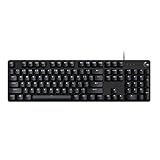
Overview:
The Logitech G413 SE is a no-nonsense, full-size gaming keyboard emphasizing durability and performance. Built with an aluminum top case and tactile switches, it targets competitive gamers needing reliability in high-stakes scenarios.
What Makes It Stand Out:
Its aircraft-grade aluminum top case ensures rigidity and longevity, while PBT keycaps resist shine and wear. The tactile mechanical switches provide precise feedback, and white LED backlighting offers subtle visibility. Six-key rollover anti-ghosting guarantees accuracy during intense gameplay.
Value for Money:
Positioned as a mid-range workhorse, it justifies its cost with Logitech’s trusted build quality and PBT keycaps—features often reserved for pricier models. It’s a pragmatic choice for gamers prioritizing substance over flash, though lacking hot-swap or RGB.
Strengths and Weaknesses:
Strengths: Sturdy aluminum construction, durable PBT keycaps, and reliable tactile switches. Weaknesses: No RGB (only white backlight), non-hot-swappable, and limited software customization compared to rivals.
Bottom Line:
A dependable, no-frills keyboard for serious gamers who value durability and tactile precision. While less flashy, its robust build and consistent performance make it a worthy investment for focused play.
4. Logitech K845 Mechanical Illuminated Keyboard, Mechanical Switches, Strong Adjustable Tilt Legs, Full Size, Aluminum Top Case, 104 Keys, USB Corded, Windows (TTC Brown Switches)

Overview:
The Logitech K845 bridges office productivity and mechanical keyboard satisfaction. With an aluminum top case, adjustable tilt, and choice of switch types, it caters to professionals seeking comfort and quiet performance in daily work.
What Makes It Stand Out:
Its adjustable 4–8° tilt legs promote ergonomic typing, while TTC Brown tactile switches (included) offer subtle feedback without loud clicks. The sleek aluminum build and 5 white backlight patterns enhance aesthetics, and the compact full-size layout saves desk space without sacrificing functionality.
Value for Money:
Priced affordably for its premium materials, the K845 delivers office-ready quietness and durability. The aluminum chassis and switch variety (sold separately) provide flexibility unmatched in its class, ideal for hybrid workspaces.
Strengths and Weaknesses:
Strengths: Ergonomic tilt adjustment, quiet tactile switches, and premium aluminum design. Weaknesses: Non-hot-swappable, limited backlight customization, and no dedicated media keys.
Bottom Line:
A polished, productivity-focused keyboard that excels in professional environments. Its comfort, build quality, and subtle mechanics make it highly recommended for office use and casual typing.
5. Newmen GM325Pro Mechanical Keyboard,104 Keys Rainbow LED Backlit Wired Gaming Keyboards,Hot-Swap Metal Panel ABS Black Keycaps Gaming Mechanical Keyboard for Windows Laptop PC Linear Red Switches

Overview:
The Newmen GM325Pro is a feature-packed wired gaming keyboard with hot-swap sockets, RGB lighting, and a metal frame. It targets gamers wanting customization and portability at an accessible price point.
What Makes It Stand Out:
RGB side-edge lighting paired with 13 preset rainbow effects creates immersive visuals, while the detachable USB cable enhances portability for LAN events. Its metal top plate ensures sturdiness, and linear red switches deliver smooth, quiet keystrokes ideal for fast-paced gaming.
Value for Money:
Offering hot-swap capability and metal construction under $50, it outperforms many budget competitors. The included software for macro remapping and lighting control adds significant value for entry-level customization seekers.
Strengths and Weaknesses:
Strengths: Vibrant RGB aesthetics, sturdy metal build, and detachable cable convenience. Weaknesses: ABS keycaps prone to shine, limited RGB control (side-only), and software feels dated.
Bottom Line:
A compelling budget gaming keyboard where style meets functionality. Despite material limitations, its hot-swap flexibility and striking lighting make it an easy recommendation for casual gamers seeking flair.
6. Arteck Mechanical 2.4G USB Wireless Performance Keyboard, Tacktile Quiet Brown Switches, Stainless Steel Low Profile for PC/Desktop/Laptop/TV and Windows 11/10 Built in Rechargeable Battery Black

Overview:
The Arteck Mechanical Keyboard delivers a refined wireless typing experience tailored for productivity. Featuring tactile brown switches and a stainless steel backplate, it targets users seeking quiet mechanical responsiveness without the bulk of traditional models. Its low-profile design and full-size layout suit office, home, or TV setups running Windows.
What Makes It Stand Out:
Stainless steel construction and genuinely quiet brown switches distinguish this keyboard, minimizing noise while retaining mechanical feedback—ideal for shared spaces. The 6-month battery life (with moderate use) and tool-free nano receiver storage are exceptional for wireless peripherals. Low-profile keys also enhance ergonomics without sacrificing key travel.
Value for Money:
Priced mid-range, it outperforms budget membrane keyboards in durability and feel while undercutting premium mechanical competitors. The rechargeable battery and lack of ongoing costs (e.g., disposable batteries) solidify long-term value, especially for Windows-centric users needing reliability over gaming flair.
Strengths and Weaknesses:
Strengths: Near-silent operation; exceptional battery life; robust stainless steel build; effortless plug-and-play setup; comfortable low-profile keys.
Weaknesses: Limited connectivity (no Bluetooth); basic RGB-free design; Windows-only compatibility; no keycap customization.
Bottom Line:
A superb wireless mechanical keyboard for professionals prioritizing quiet, comfortable typing and longevity. Avoid if you need multi-OS support or gaming features, but ideal for office or living-room productivity.
7. AULA F99 Wireless Mechanical Keyboard,Tri-Mode BT5.0/2.4GHz/USB-C Hot Swappable Custom Keyboard,Pre-lubed Linear Switches,RGB Backlit Gaming Keyboards for PC/Tablet/Xbox/PS4/PS5

Overview:
The AULA F99 is a versatile, feature-packed mechanical keyboard designed for gamers and tinkerers. Supporting triple connectivity modes and hot-swappable switches, it combines customization with robust performance. Its unique structure and pre-lubed linear switches target enthusiasts seeking both speed and personalization.
What Makes It Stand Out:
True hot-swap compatibility (3/5-pin switches), five-device Bluetooth pairing, and a 5-layer sound-dampening system set it apart. Pre-lubed linear switches ensure smooth keystrokes out of the box, while PCB single-key slotting and silicone pads eliminate hollow sounds. The 8000mAh battery and macro customization add serious utility.
Value for Money:
Exceptional for its price, rivaling高端 brands like Ducky. The inclusion of switch/keycap pullers, PBT keycaps, and extensive software support (RGB/music sync) offers tremendous customization potential without soldering—a steal for modders and gamers.
Strengths and Weaknesses:
Strengths: Seamless multi-device switching; superb noise reduction; hot-swap flexibility; long battery life; rich RGB/macro software; durable PBT keycaps.
Weaknesses: Bulky 96% layout; learning curve for software; linear switches lack tactile feedback for some typists.
Bottom Line:
A top-tier choice for gamers and customizers wanting pro features without pro prices. Its balance of connectivity, build quality, and modularity makes it highly recommended for tech-savvy users.
8. Redragon Mechanical Gaming Keyboard Wired, 11 Programmable Backlit Modes, Hot-Swappable Red Switch, Anti-Ghosting, Double-Shot PBT Keycaps, Light Up Keyboard for PC Mac

Overview:
Redragon’s K671 is a wired mechanical gaming keyboard focused on responsiveness and macro efficiency. Featuring hot-swappable red linear switches and anti-ghosting tech, it caters to gamers needing speed and programmability. Its wired USB-C connection ensures zero latency.
What Makes It Stand Out:
True hot-swap functionality with included spare switches/red keycaps is rare at this price. Eleven backlight modes and double-shot PBT keycaps enhance durability and visibility, while full anti-ghosting and 12 multimedia keys streamline gameplay and productivity.
Value for Money:
An outstanding budget option. It undercuts competitors like Razer by 40% while delivering hot-swap capability, PBT keycaps, and macro software—features typically found in $100+ keyboards. Ideal for gamers seeking no-compromise performance affordably.
Strengths and Weaknesses:
Strengths: Hot-swap ease; vibrant PBT keycaps; reliable anti-ghosting; extensive macro support; included spare switches; strong warranty.
Weaknesses: Wired-only limits desk flexibility; ABS keycaps on some variants; software lacks color customization; linear switches may feel too light for typists.
Bottom Line:
A no-frills gaming powerhouse perfect for budget-conscious players. Prioritize this if you value hot-swap mods and wired reliability over wireless freedom.
9. AULA 99 Key Keyboard, Tri-Mode Bluetooth/2.4GHz/USB-C Cute Creamy Gaming Keyboard with Number Pad RGB Backlit, Media Knob Custom Mechanical Feel Computer Keyboards for MAC Xbox PC Gamer - Purple

Overview:
The AULA S99 is a stylish, tri-mode wireless keyboard with a retro aesthetic and media knob. Despite its “mechanical feel” marketing, it uses membrane switches—positioned for casual users wanting RGB flair and multi-device flexibility without mechanical complexity.
What Makes It Stand Out:
Its charming creamy-purple design, dual-mode media knob (volume/lighting), and 96% compact layout with numpad save desktop space while adding personality. Tri-mode connectivity (BT/2.4G/USB-C) and full-key macro programming offer surprising versatility for a membrane keyboard.
Value for Money:
Good for its niche: aesthetics and convenience over performance. Cheaper than mechanical alternatives, but membrane switches lack longevity and tactile feedback. Best for light typists/gamers charmed by its look—avoid if you seek true mechanical responsiveness.
Strengths and Weaknesses:
Strengths: Eye-catching design; flexible connectivity; useful media knob; compact yet full layout; strong OS compatibility; affordable.
Weaknesses: Membrane switches feel mushy; not hot-swappable or customizable; RGB software limited; numpad placement may disrupt ergonomics.
Bottom Line:
A fun, functional accessory for casual users prioritizing style and convenience. Manage expectations—it’s not mechanical—but excels as a budget-friendly, pretty productivity tool.
10. RK ROYAL KLUDGE S98 Mechanical Keyboard w/Smart Display & Knob, Top Mount 96% Wireless Mechanical Keyboard BT/2.4G/USB-C, Hot Swappable, Software Support, Creamy Sounding, 98 Keys

Overview:
The RK S98 merges mechanical precision with smart tech via a built-in OLED display and rotary knob. A 96% wireless keyboard with hot-swap support, it targets enthusiasts wanting real-time feedback (battery, layout) and seamless control in a creamy-sounding package.
What Makes It Stand Out:
The customizable OLED display (showing GIFs, battery, or connection status) and multifunction knob (volume/lighting/RGB) are revolutionary for productivity. Combined with top-mount construction, triple-layer sound foams, and creamy acoustics, it offers a uniquely tactile and informative experience.
Value for Money:
Premium-priced but justified by innovation. Competes with $150+ keyboards by integrating display/knob tech typically sold separately. Hot-swap support and 40% noise reduction add lasting value for typists and gamers seeking a serene, high-function workspace.
Strengths and Weaknesses:
Strengths: Smart display utility; exceptional creamy sound profile; versatile knob; triple connectivity; robust foam tuning; hot-swap flexibility.
Weaknesses: Display customization requires software; creamy sound isn’t for thock-lovers; premium price may deter beginners.
Bottom Line:
A visionary keyboard for audiophiles and productivity seekers. If you value auditory satisfaction and smart features, the S98’s innovation makes it a worthy investment.
Understanding Value in Remote Work Keyboards
The concept of “value” shifts significantly when choosing a keyboard primarily for professional tasks. It’s not about flashy RGB lighting or ultra-fast actuation for gaming, but rather consistent, comfortable input that enhances focus and reduces physical strain over countless hours. True value means the keyboard actively supports your workflow and well-being, justifying its cost through improved efficiency and longevity compared to cheaper membrane alternatives. It’s an investment in your daily work experience.
Defining Your Personal Value Equation
Your ideal value proposition depends heavily on your specific work demands and environment. A writer pounding out novels needs different feedback than a data analyst entering precise figures, and someone in a shared apartment prioritizes quietness far more than a person in a dedicated soundproofed office. Consider your core tasks: heavy typing, coding, frequent shortcut usage, or a mix? How critical is absolute silence? What’s your budget ceiling? Answering these honestly shapes what “best value” means for you.
Beyond the Initial Price Tag
Focusing solely on the upfront cost is a common pitfall. A slightly more expensive keyboard with superior build quality, comfortable switches, and essential features like a detachable cable might deliver far greater value over 5+ years than a cheaper model that feels unpleasant, breaks quickly, or lacks necessary functionality. Factor in potential long-term costs like wrist strain treatment or the need for an early replacement. Durability and ergonomic benefits are significant value contributors.
The Longevity Factor
Mechanical keyboards are renowned for their lifespan, often rated for 50 million keystrokes or more per switch – dwarfing membrane keyboards. Value is intrinsically linked to this longevity. A keyboard that maintains consistent feel and function for years, resisting the mushiness and key failures common in cheaper alternatives, provides immense ongoing value. Look for robust construction (metal plates, quality plastics) and reputable switch manufacturers known for consistency.
Essential Features for the Remote Professional
Not all mechanical keyboard features are equally valuable for remote work. Prioritizing the right ones ensures your investment directly addresses the challenges and opportunities of the home office environment.
Switch Selection: The Heart of the Experience
The type of mechanical switch is arguably the most critical factor for comfort and productivity during extended work hours. Understanding the core differences is vital for finding your sweet spot.
Tactile vs. Linear: Finding Your Feedback Preference
Tactile switches provide a noticeable bump mid-press, offering clear confirmation of actuation without bottoming out. This can enhance typing accuracy and rhythm for many professionals. Linear switches offer a smooth, consistent press from top to bottom, often preferred by those who type quickly or find the tactile bump distracting. Consider which feedback style feels most natural and sustainable for your typing habits.
Sound Profile: Respecting Your Shared Space
Noise is a major consideration in homes. Clicky switches (a subset of tactile) produce a distinct audible click, which can be satisfying for the typist but disruptive to others. Quieter tactile switches (like some Browns or clears) or silent linear variants (like Reds with dampeners) are often preferable in shared living or quiet office setups. Don’t judge switches by online videos alone; try them in person if possible, as sound perception is highly personal.
Actuation Force and Travel Distance
Actuation force (how hard you need to press) and travel distance (how far the key moves) impact fatigue. Lighter switches (e.g., 45g) require less effort but might lead to more accidental presses. Heavier switches (e.g., 60g+) offer more resistance, potentially reducing typos but increasing finger fatigue over very long sessions. Shorter travel might speed up typing, while longer travel can provide more control. Balance is key for all-day comfort.
Build Quality and Durability Matters
A keyboard that feels flimsy or develops wobble quickly undermines its value proposition, no matter the switch type.
Frame and Plate Construction
Look for keyboards with solid plastic frames or, ideally, aluminum top plates. These resist flex, provide a stable typing surface, and significantly enhance the perceived (and actual) quality and longevity. Avoid overly lightweight or hollow-feeling plastic constructions, which often feel cheap and don’t last.
Keycap Material and Legends
PBT plastic keycaps are vastly superior to standard ABS for long-term use. They resist shine (that greasy look on frequently used keys), are more durable, and often have better, more permanent legends (the letters/numbers). Doubleshot or PBT dye-sublimated legends won’t fade over time, crucial for maintaining usability year after year.
Ergonomic Considerations for Sustained Comfort
Poor ergonomics lead to strain and injury. While mechanical keyboards aren’t inherently ergonomic, certain features can significantly improve comfort during long workdays.
Standard Layout vs. Ergonomic Designs
Traditional rectangular layouts are familiar and space-efficient. However, ergonomic splits, tenting, or columnar staggered layouts can promote a more natural hand and wrist position, reducing strain. Consider if you experience discomfort with standard keyboards; an ergonomic model, even if slightly more expensive, might offer the highest long-term value by preventing injury.
Wrist Rest Compatibility
A comfortable, supportive wrist rest used only during pauses (not while typing) can reduce strain. Ensure the keyboard profile (low-profile vs. standard height) is compatible with a rest that positions your wrists neutrally. Some keyboards include a rest, but often a separate quality one is a better investment.
Connectivity and Practical Functionality
Seamless integration into your remote work setup is non-negotiable for smooth productivity. The right connectivity options eliminate frustration and wasted time.
Wired vs. Wireless: Weighing the Trade-offs
Wired connections (USB-C is ideal) offer absolute reliability, zero input lag, and never need charging – perfect for a dedicated desk. Wireless (Bluetooth and/or 2.4GHz dongle) provides crucial cable-free flexibility, especially for laptop users or those with cluttered desks. Evaluate your desk setup and device usage: if you switch between devices (laptop, tablet, secondary PC), multi-device Bluetooth is a major value-add, but ensure the keyboard has reliable, low-latency wireless and good battery life.
Hot-Swappable Sockets: Future-Proofing Your Investment
Hot-swap sockets allow you to change switches without soldering. While not essential for everyone, this feature adds significant long-term value. If your typing preferences change, or a switch fails, you can easily update or repair the keyboard yourself, extending its usable life considerably and adapting it to future needs.
Essential Layout and Key Features
Practicality trumps novelty for work. A full-size layout with a number pad is efficient for data entry, while compact TKL (Tenkeyless) or 75% layouts save significant desk space – valuable in smaller home offices. Crucially, ensure the keyboard includes all necessary keys for your workflow (e.g., dedicated page up/down, home/end, function row) and has reliable, easy-to-reach media controls. A stable, adjustable stand (or detachable feet for multiple angles) is vital for finding a comfortable typing posture.
Assessing True Cost of Ownership
Making a value-driven decision requires looking beyond the sticker price to understand the total investment over the keyboard’s lifespan.
Initial Investment vs. Long-Term Savings
While the upfront cost of a quality mechanical keyboard is higher than a basic membrane model, consider the replacement cycle. A $50 membrane keyboard might need replacing every 1-2 years due to wear or failure. A well-chosen $80-$120 mechanical keyboard could easily last 5-10 years with consistent performance, representing significant long-term savings and less electronic waste.
Maintenance and Repairability
Mechanical keyboards are generally easier to maintain. Simple cleaning (keycap removal) is straightforward. Hot-swap sockets, as mentioned, enable switch replacement. Consider if the manufacturer offers good support, spare parts (like keycaps), or clear repair guides. A keyboard you can maintain and repair yourself holds its value much longer than one destined for the landfill at the first sign of trouble.
Resale and Upgrade Potential
Due to their durability and desirability, quality mechanical keyboards often retain decent resale value, especially if well-maintained. Hot-swap capability also allows you to experiment with different switch types over time without buying a whole new keyboard, further extending its useful life and value.
Optimizing for Your Specific Remote Work Environment
Your unique home office setup dictates which features are most valuable.
The Shared Living Space Challenge
If you share your workspace or live with others, noise is paramount. Prioritize silent linear switches (e.g., Gateron Silent Reds, similar variants) or very quiet tactile switches. Look for keyboards with ample sound dampening foam inside the case. Avoid any “clicky” labeled switches. O-ring dampeners can help but often feel mushy; internal foam is generally a better solution for quietness without sacrificing feel.
The Hybrid Worker’s Needs
Frequently moving between home and office? Prioritize portability: compact layouts (65%, 75%), lightweight build (though not flimsy), and robust wireless connectivity (Bluetooth + dongle). A detachable cable is essential for wired use without bulk. Ensure the keyboard has a protective case or bag option for safe transport.
The Dedicated Home Office Advantage
With a permanent, quiet space, you have more flexibility. You can prioritize your preferred switch feel (even slightly noisier tactiles) and potentially larger layouts. Focus on ultimate comfort (ergonomic design, premium keycaps) and desk integration (wired reliability, aesthetics matching your setup). Durability becomes even more critical for a long-term fixture.
Making the Informed Choice
Armed with knowledge of what defines value for your remote work scenario, the path to the right keyboard becomes clearer.
Researching Beyond the Hype
Ignore flashy marketing claims. Dive into detailed reviews focusing on typing experience and build quality, not just RGB effects. Look for reviews from reputable sources known for thorough mechanical keyboard analysis. Pay close attention to comments from users reporting on long-term durability and comfort during actual work tasks.
The Importance of Hands-On Experience
Whenever possible, try before you buy. Visit electronics stores with mechanical keyboards on display (increasingly common), attend tech expos, or find local enthusiast groups. Typing on a keyboard for even a few minutes reveals crucial aspects – sound, feel, stability – that specs and videos cannot fully convey. If in-person testing isn’t feasible, prioritize retailers with generous return policies.
Setting a Realistic Budget Range
Determine your budget based on the value equation you’ve defined. Entry-level quality mechanical keyboards start around $60-$80. Significant jumps in build quality, switch options, and features typically land in the $80-$150 range – often representing the peak of value for remote work. Avoid extremely cheap keyboards (<$50); they frequently cut corners on switches, keycaps, and construction, leading to poor value long-term. Be prepared to invest where it matters most for your needs.
Frequently Asked Questions
Frequently Asked Questions
What exactly makes a mechanical keyboard “valuable” for remote work compared to a cheaper membrane one? Value comes from superior durability (lasting years longer), consistent and precise keypresses reducing typos and fatigue, customizable feel through switch choice, and often better ergonomics – all contributing to sustained productivity and comfort during long work hours, justifying the higher initial cost.
I work in a shared apartment; are mechanical keyboards too noisy for remote work? Not necessarily. Many mechanical switches are designed specifically for quiet operation, such as silent linear variants (e.g., Gateron Silent Reds) or quieter tactile switches. Keyboards with internal sound-dampening foam also significantly reduce noise. Avoid clicky switches if noise is a major concern.
Do I really need hot-swap sockets as a remote worker? While not essential, hot-swap sockets add significant long-term value. They allow you to easily replace worn switches or experiment with different switch types to find your perfect typing feel without buying a whole new keyboard, extending its useful life and adaptability.
How important is wireless connectivity for a work keyboard? It depends on your setup. If you use a laptop and move around, or have a cluttered desk, reliable Bluetooth or 2.4GHz wireless offers great flexibility. If it’s a dedicated desktop PC setup, a wired USB-C connection provides absolute reliability and zero latency, which is perfectly suitable and often preferred.
What’s the difference between tactile and linear switches for typing all day? Tactile switches have a noticeable bump providing feedback that many find helps with typing rhythm and accuracy. Linear switches offer a smooth, consistent press preferred by some for speed or reduced finger fatigue. Personal preference is key; trying both is ideal, but quiet tactiles or silent linears are often good starting points for work.
Are compact keyboards (like 65% or 75%) practical for professional work? Absolutely, and they’re often ideal for remote work. They save significant desk space, which is valuable in home offices, while retaining essential keys (arrows, nav cluster). Only consider full-size if you heavily rely on the numeric keypad for data entry.
What keycap material should I prioritize for longevity? PBT plastic keycaps are vastly superior to ABS for remote work. They resist shine (greasing), are more durable, and feature legends (the letters/numbers) that won’t fade over time, maintaining usability and aesthetics for years.
How can I tell if a keyboard has good build quality before buying? Look for descriptions mentioning an aluminum top plate (vs. plastic), PBT keycaps, and sound-dampening foam. Read reviews focusing on solidity – does it feel rigid or does the case flex? Avoid descriptions emphasizing “lightweight” if it implies flimsiness; a certain heft often indicates better construction.
Is a wrist rest necessary, and what should I look for? A wrist rest isn’t used while typing but provides support during pauses, reducing strain. Look for one that allows your wrists to remain straight and neutral (not bent up/down or sideways). It should be firm yet cushioned. Compatibility with your keyboard’s height/profile is important.
How long should I expect a quality mechanical keyboard to last for daily work use? A well-built mechanical keyboard using reputable switches should easily last 5-10 years or more with daily professional use. Switches are typically rated for 50-100 million keystrokes per key, meaning even heavy typing won’t wear them out for many years. Build quality (keycaps, plate, case) determines the overall lifespan.