Tired of the constant juggling act between your sleek laptop, essential peripherals, and the ever-growing pile of dongles cluttering your workspace? For modern professionals, the USB-C port is both a blessing and a curse. While it promises a universal connection, the reality often involves sacrificing vital ports for the sake of portability, leading to frustrating interruptions during critical presentations, video conferences, or deep work sessions. This isn’t just about convenience; it’s about maintaining seamless productivity and projecting competence when every second counts.
Investing in the right connectivity solution is no longer a luxury—it’s a fundamental requirement for anyone serious about their workflow. A premium USB-C hub transcends the basic function of adding ports; it becomes the central nervous system of your mobile or desk setup, enabling true multi-monitor productivity, reliable high-speed data transfers, and uninterrupted power delivery. Understanding what separates a truly professional-grade hub from the sea of budget options is crucial for avoiding costly downtime and maximizing your return on investment in your primary work tool.
Top 10 USB C Hubs for Professionals
Detailed Product Reviews
1. Acer 10 Gbps USB C Hub, USBC Splitter with 4*USB C 3.2 and 100W PD Port, Fast Transfer Type-C Multiport Adapter Compatible with MacBook Pro/M2/M1, iPad, Surface Pro, XPS【No Video Output】

Overview: This Acer hub is a specialized 5-in-1 adapter designed purely for high-speed data transfer and charging, targeting professionals needing rapid file handling without video output capabilities. It connects directly to USB-C devices like MacBooks, Surface Pros, and high-end Windows laptops. What Makes It Stand Out: Its defining feature is four dedicated USB-C 3.2 Gen 2 ports, each delivering 10Gbps transfer speeds—ideal for moving large video files or backing up SSDs in seconds. The 100W Power Delivery port ensures reliable laptop charging during intensive tasks, while the aluminum enclosure provides robust heat dissipation for sustained performance. Value for Money: Priced competitively against multi-featured hubs, it excels for users prioritizing raw data speed over display support. If you routinely handle 4K footage or massive datasets, its focused functionality offers better value than video-capable hubs with slower data ports. Strengths and Weaknesses: Strengths: Unmatched 10Gbps quad-port throughput; reliable 100W PD charging; durable, compact aluminum build; broad OS compatibility. Weaknesses: Zero video output (HDMI/DP unsupported); max two high-power drives recommended; requires 10Gbps host port for full speed. Bottom Line: An exceptional choice for content creators and IT professionals needing blistering data transfers and stable power, but avoid if you require monitor connectivity. Its niche focus delivers unmatched performance within its specific use case.
2. Anker USB C Hub, 5-in-1 USBC to HDMI Splitter with 4K Display, 1 x Powered USB-C 5Gbps & 2×Powered USB-A 3.0 5Gbps Data Ports for MacBook Pro, MacBook Air, Dell and More

Overview: Anker’s 5-in-1 hub bridges connectivity gaps for modern laptops by adding HDMI display output, USB-A/C ports, and pass-through charging. It’s engineered for MacBook users and ultrabooks lacking legacy ports, supporting work-from-home setups or presentations. What Makes It Stand Out: The integrated 4K@30Hz HDMI port enables external monitor use—a critical differentiator from data-only hubs. Combined with two 5Gbps USB-A ports and a 5Gbps USB-C data port, it balances display, peripheral, and charging needs in a compact form factor. Value for Money: At a mid-range price, it outperforms basic hubs by adding essential video support. While not the fastest data hub (5Gbps vs. 10Gbps), its display capability justifies the cost for hybrid workers needing dual-screen setups without investing in a full dock. Strengths and Weaknesses: Strengths: Reliable 4K HDMI output; 85W pass-through charging; plug-and-play simplicity; Anker’s trusted build quality. Weaknesses: Limited to 4K@30Hz (not ideal for gaming); USB-C data port lacks video support; no 10Gbps speeds; requires separate charger. Bottom Line: A versatile, dependable solution for professionals needing display expansion alongside moderate-speed data transfer and charging. Ideal for MacBook users seeking an all-in-one travel companion for meetings or remote work.
3. Lexar Professional Go Portable Hub, Four Type-C Ports, USB 3.2 Gen 2, Up to 10Gbps, Ultra-Compact, Perfect for Go Portable SSD, Compatible with Smartphones, PC & Mac, Tablets & iPad (LPASL400-RNSNG)
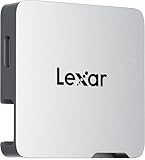
Overview: Lexar’s hub is a purpose-built accessory designed primarily to complement its Professional Go Portable SSD, enabling direct connections between cameras, smartphones, and storage devices. It caters to photographers and videographers in field workflows. What Makes It Stand Out: Its four USB-C ports (all 10Gbps) and inclusion of specialized cables—like the cold-shoe adapter—allow seamless integration into camera rigs. This eliminates extra dongles when transferring footage from DSLRs or gimbals to SSDs on location. Value for Money: While niche, it delivers strong value within its ecosystem. If you own Lexar’s Go SSD, the hub streamlines offloading media directly from cameras, justifying its cost. For general laptop use, however, it’s less practical than multi-featured alternatives. Strengths and Weaknesses: Strengths: True 10Gbps quad-port speed; ultra-portable design; camera-rig compatibility; cold-shoe cable for mounts. Weaknesses: No HDMI or USB-A ports; limited utility beyond media workflows; minimal charging capability (5W); ecosystem-dependent. Bottom Line: A specialist tool that shines for content creators using Lexar SSDs in the field. Not recommended for office or casual laptop use due to its narrow focus, but invaluable for simplifying on-the-go media management.
4. SABRENT USB C Hub 5-in-1 Docking Station, 10Gbps USB-A & USB-C Ports, 4K HDMI Output, 100W PD Input, 80W Charging, Aluminum USB Hub for Laptops/Phones/Tablets – HDR/HDCP (HB-TG5P)

Overview: Sabrent’s hub is a premium 5-in-1 docking solution offering high-speed data, 4K60Hz video, and robust power delivery. It transforms ultraportable laptops into full workstations, targeting power users needing desktop-like connectivity. What Makes It Stand Out: It uniquely combines dual 10Gbps USB-C data ports, 4K@60Hz HDMI 2.0 with HDR/HDCP 2.3, and 80W laptop charging—all in a sleek aluminum chassis. The 60Hz refresh rate is rare in hubs, making it suitable for design or casual 4K content. Value for Money: Positioned at a premium price, it competes with entry-level docks. The 4K60Hz support and dual high-speed USB-C ports justify the cost for creative professionals who need smooth video and rapid file transfers without bandwidth compromises. Strengths and Weaknesses: Strengths: True 4K@60Hz output; dual 10Gbps USB-C ports; stable 80W charging; durable aluminum build; plug-and-play across OSes. Weaknesses: USB-C ports lack video output (HDMI required); no Ethernet port; slightly bulkier than basic hubs. Bottom Line: The best all-rounder for creatives and professionals demanding high-resolution displays and top-tier data speeds. A worthwhile investment if you need no-compromise video and storage performance in a single hub.
5. Anker USB C Hub 4 Ports, Multiple USB 3.0 Hub with 5Gbps Data Transfer, Extender for Type C Port Laptop, PC, Desktop and More (2 ft USB-C Connector, Charging Not Supported)

Overview: This minimalist Anker hub expands a single USB-C port into four USB-A 3.0 ports via a 2-foot cable, solving cable-reach issues for desktop setups or cluttered workspaces. It’s designed purely for peripheral connectivity, not charging or video. What Makes It Stand Out: The extended 2-foot cable is its key innovation, allowing flexible placement of keyboards, mice, or drives away from your laptop. Its ultra-compact size (4.2 × 1.2 × 0.4 inches) and plug-and-play simplicity make it ideal for travel or desk tidying. Value for Money: As a budget-friendly option, it excels for basic USB-A expansion. At a fraction of multi-feature hubs’ cost, it’s perfect if you only need extra ports without HDMI or charging—though power users will outgrow it quickly. Strengths and Weaknesses: Strengths: Very affordable; long cable eliminates reach issues; pocketable design; reliable 5Gbps transfers; zero setup required. Weaknesses: No charging support (may drain laptop battery); USB-A only (no USB-C/HDMI); limited to 5Gbps speeds. Bottom Line: An excellent, no-frills solution for adding USB-A ports with convenient cable length. Best for students or office users with older peripherals, but skip if you need charging, video, or modern USB-C connectivity.
6. Anker USB C Hub, 7in1 Multi-Port USB Adapter for Laptop/Mac, 4K@60Hz USB C to HDMI Splitter, 85W Max PD, 2 USB 3.0 & 1 USBC Data Ports, SD/TF Card Reader, for Type C Devices (Charger Not Included)

Overview:
This compact 7-in-1 hub expands USB-C device connectivity with essential ports for professionals and travelers. It integrates HDMI output, dual USB-A 3.0 ports, a USB-C data port, SD/TF card slots, and 85W PD charging in a minimalist design, targeting MacBook and Windows users needing versatile expansion without bulk.
What Makes It Stand Out:
Anker’s reliability shines with flawless 4K@60Hz HDMI output for presentations and entertainment, alongside robust 5Gbps data transfer across all USB ports. The dual SD/TF card readers cater specifically to photographers, while the 85W PD charging (sufficient for most laptops) ensures uninterrupted productivity. Its aluminum build resists wear better than plastic competitors.
Value for Money:
Priced mid-range, it justifies cost through Anker’s 18-month warranty, proven durability, and omission of redundant features. Though lacking 10Gbps speeds, the 5Gbps transfer meets most users’ needs, making it a smarter buy than pricier hubs with rarely utilized ultra-fast ports for typical office tasks.
Strengths and Weaknesses:
Strengths: Exceptional video output stability; dual card readers; efficient 85W charging; compact, travel-friendly form; Anker’s trusted support.
Weaknesses: Max 5Gbps data speed (slower than newer 10Gbps hubs); no USB-C video output; charger sold separately.
Bottom Line:
Ideal for MacBook owners and frequent travelers needing reliable, all-in-one expansion. Its video quality and card readers justify the price, though power users requiring 10Gbps speeds should consider alternatives.
7. Acer 8 in 1 USB C Hub 10Gbps, USBC to HDMI Adapter 4K@60Hz, 2×USB-C 3.2, 2×USB A 3.0 Data Transfer, 100W PD Port Type C Multiport Splitter with SD/TF Card Reader, for Laptop, PC, Desktop, iPad Pro

Overview:
Acer’s 8-in-1 hub delivers high-speed connectivity with 10Gbps USB-C data ports, dual USB-A 3.0, 4K@60Hz HDMI, 100W PD charging, and SD/TF slots. Engineered for creators and business users, it streamlines desktop setups for MacBooks, Windows laptops, and iPad Pros demanding simultaneous high-bandwidth tasks.
What Makes It Stand Out:
The standout feature is dual 10Gbps USB-C 3.2 ports—rare in hubs—enabling rapid transfers of large media files. Combined with 100W PD charging (90W output), 4K@60Hz HDMI, and broad OS compatibility (including Linux), it excels for video editors and multi-monitor workflows where speed is critical.
Value for Money:
Competitively priced for its 10Gbps capability, it outperforms similarly priced hubs limited to 5Gbps. The inclusion of two high-speed USB-C data ports (versus one in most rivals) adds significant value for professionals, though casual users might not utilize the full speed potential.
Strengths and Weaknesses:
Strengths: Blazing 10Gbps dual USB-C data ports; robust 100W PD charging; excellent multi-OS support; dual SD/TF slots; sturdy build.
Weaknesses: USB-C data ports lack video/audio support; requires external 100W charger (not included); HDMI connection must be firmly seated.
Bottom Line:
A top pick for creative professionals needing ultra-fast data transfers and reliable charging. Its 10Gbps capability justifies the investment over slower hubs, despite minor connectivity quirks.
8. Belkin Connect 4 Port USB C Hub - Multiport Adapter Dongle with 4 USB C 3.2 Gen 2 Ports - High Speed 10G Data Transfer for Laptop, MacBook, iPad, PC, and More - 100W PD

Overview:
This minimalist 4-in-1 hub focuses exclusively on USB-C expansion, offering four 10Gbps USB-C 3.2 Gen 2 ports and 100W PD charging. Designed for users with multiple USB-C peripherals (e.g., external SSDs, cameras), it targets MacBook and iPad Pro owners prioritizing speed and simplicity over port variety.
What Makes It Stand Out:
Its uniqueness lies in four identical 10Gbps USB-C ports—ideal for connecting multiple high-bandwidth devices like video capture cards or dual SSDs simultaneously. Belkin’s Fast Role Swap (FSR) technology prevents data loss during power source changes, a critical feature for field professionals.
Value for Money:
Positioned at a premium price, it’s justified for niche users needing quad USB-C ports. Generalists may find it overpriced (lacking HDMI/SD slots), but videographers or engineers requiring consistent 10Gbps throughput across multiple devices get exceptional ROI.
Strengths and Weaknesses:
Strengths: Four full-speed 10Gbps USB-C ports; seamless 100W PD pass-through; FSR for zero data loss; premium Belkin build quality; audio support.
Weaknesses: No HDMI, USB-A, or card readers; limited versatility for average users; higher cost than multi-port hubs.
Bottom Line:
Essential for USB-C-centric workflows but overkill for casual use. Choose this if you regularly connect multiple USB-C peripherals demanding max speed; otherwise, opt for a more versatile hub.
9. SABRENT 7-Port USB-C Hub with Power Switches, 5Gbps USB 3.2, 48W Powered Hub with 3 USB-A + 4 USB-C Ports, 20W PD, LED Status, Aluminum Body – for Mac, PC, Steam Deck, ROG Ally (HB-3A4C)

Overview:
Sabrent’s 7-port hub combines 3 USB-A, 4 USB-C ports, and independent power switches in an aluminum chassis. Aimed at gamers (Steam Deck/ROG Ally) and desktop users, it emphasizes control and durability with a 48W power adapter for stable peripheral support.
What Makes It Stand Out:
The standout feature is per-port power switches with LED indicators—allowing selective device power management to troubleshoot or conserve energy. The robust aluminum body dissipates heat during intensive use, while the included 48W adapter ensures reliability for high-drain devices like external drives.
Value for Money:
Priced affordably, it offers exceptional value with its unique switches, metal construction, and bundled power adapter. Competitors often charge more for fewer ports or omit switches, making this ideal for budget-conscious users needing granular control.
Strengths and Weaknesses:
Strengths: Per-port power switches; durable aluminum housing; includes 48W adapter; plug-and-play simplicity; broad OS compatibility.
Weaknesses: Max 5Gbps speed (slower than 10Gbps hubs); only 20W PD on one port; no video output or card readers.
Bottom Line:
Perfect for gamers and desktop setups requiring port management and reliability. The switches and build quality make it a budget-friendly standout, though video output seekers should look elsewhere.
10. UGREEN Revodok Pro USB-C Hub 6 in 1 10Gbps 4K 60Hz HDMI, 100W Power Delivery for MacBook Pro/Air, iPad Pro, Thinkpad Rog Ally and More.

Overview:
UGreen’s 6-in-1 hub merges 10Gbps data speeds, 4K@60Hz HDMI, and 100W PD charging in a streamlined adapter. Tailored for mobile professionals using MacBook, iPad Pro, or gaming handhelds, it enables high-performance multitasking without compromising portability.
What Makes It Stand Out:
It uniquely balances dual 10Gbps USB-C and dual 10Gbps USB-A ports alongside 4K HDMI—allowing simultaneous high-speed data transfers, display output, and full-power charging. The optimized circuitry prevents data loss during charging swaps, a rarity in hubs under $60.
Value for Money:
Offers premium features (quad 10Gbps ports, 100W PD) at a mid-tier price. It outperforms Anker/Acer models with slower USB-A ports, delivering MacBook-like performance for under $50—exceptional for creatives needing speed without sacrificing video or charging.
Strengths and Weaknesses:
Strengths: Four 10Gbps ports (2x USB-C + 2x USB-A); seamless 100W PD; reliable 4K@60Hz output; compact design; no drivers needed.
Weaknesses: USB-C data ports don’t support video; PD port unusable during active data transfer; minor heating under max load.
Bottom Line:
The best all-rounder for Mac/iPad Pro users needing max speed across all ports. Its balanced performance and affordability make it a top recommendation for productivity-focused buyers.
Why Professionals Need Premium Hubs (Beyond Basic Expansion)
Addressing the Modern Laptop’s Portability Paradox
Today’s ultra-thin professional laptops prioritize sleek design over port variety, often leaving users with just one or two USB-C ports. This creates a significant bottleneck when connecting essential tools like external monitors, high-resolution webcams, storage drives, and wired networking simultaneously. A premium hub resolves this paradox by intelligently expanding connectivity without forcing compromises on the very portability that makes these machines desirable in the first place.
Minimizing Workflow Disruptions and Technical Glitches
Budget hubs frequently suffer from inconsistent power delivery, port recognition failures, or bandwidth throttling under load—disruptions that are unacceptable during client calls, live presentations, or time-sensitive data transfers. Professionals require absolute reliability. Premium hubs utilize superior components and rigorous testing to ensure stable connections, consistent power output, and seamless operation, preventing embarrassing technical hiccups that undermine credibility and waste valuable time.
Enhancing Professional Capabilities and Output Quality
True professional work often demands capabilities that basic hubs simply cannot support. Think high-fidelity audio interfaces for content creators, dual 4K monitor setups for financial analysts, or stable Gigabit Ethernet for remote engineers requiring low-latency connections. Premium hubs are engineered with the necessary bandwidth, power reserves, and specialized port configurations to unlock these advanced workflows, directly contributing to higher quality output and more efficient task execution.
Critical Technical Specifications Decoded
Understanding USB Standards: 3.2 Gen 2 vs. Thunderbolt 4
Not all USB-C ports or hubs are created equal. Distinguishing between USB 3.2 Gen 2 (offering 10Gbps) and Thunderbolt 4 (providing 40Gbps, daisy-chaining, and stricter certification) is paramount. Thunderbolt 4 hubs deliver the absolute highest performance for demanding tasks like 4K video editing or large dataset transfers but come at a premium. USB 3.2 Gen 2 hubs offer excellent value for most professional needs involving multiple peripherals and single high-resolution displays.
Power Delivery Requirements: Wattage and Pass-Through Charging
The hub’s Power Delivery (PD) capability is non-negotiable. It must deliver sufficient wattage (often 65W, 85W, or 100W+) not only to power the hub itself but also to fully charge your laptop while all connected peripherals are in use. Insufficient PD leads to slow charging or even battery drain during heavy workloads. Verify the hub’s maximum PD output matches or exceeds your laptop’s charging requirements.
Bandwidth Allocation and Port Prioritization Strategies
Hubs share the total bandwidth of the single upstream USB-C connection. Premium models intelligently manage this allocation, often dedicating full bandwidth to critical ports like DisplayPort or USB 3.2 Gen 2. Understanding how a hub prioritizes bandwidth—especially when multiple high-speed devices (like SSDs and webcams) are connected simultaneously—is crucial to avoid unexpected slowdowns in data transfer or video output.
Video Output Capabilities: Resolutions, Refresh Rates, and Multi-Monitor Support
Professional workflows often hinge on high-quality visual output. Scrutinize the hub’s supported resolutions (1080p, 4K, 5K, 8K), refresh rates (60Hz, 120Hz), and the number of displays it can drive concurrently. Some hubs support dual 4K displays, while others might max out at a single high-resolution screen. Ensure the hub aligns precisely with your monitor setup and productivity needs.
Physical Design & Durability Factors That Matter
Build Quality: Aluminum vs. Plastic and Thermal Management
The materials used significantly impact longevity and performance. Robust aluminum housings dissipate heat far more effectively than plastic, preventing thermal throttling during sustained high-bandwidth operations—a common failure point in cheaper hubs. Feel the weight and examine construction; a premium hub should feel substantial and cool to the touch even under load.
Port Layout and Ergonomics: Avoiding Cable Strain and Clutter
Thoughtful physical design prevents daily frustration. Look for hubs with ports oriented perpendicularly to the main body (avoiding awkward right-angle strain), sufficient spacing between ports to accommodate larger connectors (like USB-C power bricks), and a layout that minimizes cable tangling. A well-designed hub integrates smoothly into your workspace without becoming a cable management nightmare.
Portability vs. Desktop Docking: Choosing the Right Form Factor
Consider where you primarily work. Ultra-compact, pocketable hubs are ideal for frequent travelers but often sacrifice port variety and cooling. Larger desktop docking stations offer more ports, higher power delivery, better thermal management, and sometimes integrated stands, making them perfect for a permanent workstation. Match the form factor to your dominant work pattern.
Cable Integration: Fixed vs. Removable and Length Considerations
Some hubs feature a permanently attached USB-C cable, which is convenient but risks damage if the cable fails. Others offer a detachable cable (often USB-C to USB-C), providing flexibility and easier replacement. Evaluate the included cable length; too short creates strain, while too long adds unnecessary clutter. A well-designed cable management clip on the hub itself is a valuable bonus.
Smart Integration & Workflow Features for Professionals
Operating System Compatibility: Beyond Basic Plug-and-Play
While most hubs work with Windows and macOS, deeper compatibility matters. Verify seamless operation with specific OS versions, especially regarding display settings, audio routing, and specialized peripherals like drawing tablets. Some premium hubs offer dedicated drivers or software for enhanced control over monitor arrangements or network settings, providing a smoother, more integrated experience.
Integrated Ethernet: The Unbeatable Stability for Critical Tasks
For professionals handling sensitive data, video conferencing, or remote access requiring low latency and rock-solid stability, the integrated Gigabit (or 2.5G) Ethernet port on a premium hub is indispensable. It bypasses the potential unreliability and interference of Wi-Fi, ensuring consistent, high-speed network performance essential for finance, engineering, or remote IT work.
SD/microSD Card Readers: Streamlining Media Workflows
Content creators, photographers, and field researchers frequently rely on memory cards. A high-speed UHS-II compatible SD/microSD card reader built directly into the hub eliminates the need for a separate adapter, significantly speeding up the process of importing photos, videos, or data directly from cameras or other devices into your primary workflow.
Audio Enhancements: Dedicated Headphone Amplifiers and Mic Inputs
Clear communication is professional currency. Premium hubs often include dedicated headphone amplifiers for higher quality audio output and separate, high-impedance microphone inputs for connecting professional headsets or external mics, ensuring crisp audio during calls and recordings without the need for additional dongles or interfaces.
Evaluating Value: Is the Premium Price Justified?
Calculating Long-Term Reliability and Cost of Failure
Consider the true cost of a hub failure: a missed deadline due to a crashed connection during a presentation, corrupted data from an unstable transfer, or hours of lost productivity troubleshooting a flaky device. Premium hubs, built with higher-grade components and subjected to rigorous testing, offer vastly superior longevity and stability. The initial investment often pales in comparison to the potential cost of downtime or compromised work.
Assessing Feature Density Against Actual Workflow Needs
Don’t pay for ports you’ll never use. Carefully audit your essential peripherals: how many monitors do you need? Do you require Ethernet daily? How often do you use SD cards? A hub packed with unused ports is just added bulk and potential failure points. The “premium” value lies in getting exactly the high-quality, reliable ports you require for your specific professional tasks, eliminating the need for multiple dongles.
Future-Proofing Your Investment: Adapting to Evolving Tech
Technology evolves rapidly. Investing in a hub with the latest standards (like USB4 or Thunderbolt 4 readiness) and slightly higher specifications than your current needs provides a buffer against obsolescence. It ensures compatibility with next-generation laptops and peripherals, extending the useful life of your hub and protecting your investment as your workflow demands inevitably change.
Warranty, Support, and Manufacturer Reputation
A comprehensive warranty (often 2-3 years or more for premium brands) and responsive customer support are critical indicators of confidence in the product’s quality. Research the manufacturer’s reputation for honoring warranties and providing technical assistance. Knowing you have reliable backup support significantly enhances the perceived value and reduces the risk of your investment.
Frequently Asked Questions
Frequently Asked Questions
How much Power Delivery (PD) wattage do I really need for my laptop? You need a hub that delivers at least the wattage your laptop’s original charger provides (e.g., 65W, 87W, 100W). Always choose a hub with equal or slightly higher PD output to ensure your laptop charges fully, especially when multiple peripherals are connected and drawing power.
Can a single USB-C hub reliably support dual 4K monitors? Yes, but it depends entirely on the hub’s specifications and your laptop’s capabilities. Hubs supporting DisplayPort 1.4 or Thunderbolt 4 with MST (Multi-Stream Transport) can often drive dual 4K displays at 60Hz. Verify both the hub’s specs and your laptop’s GPU/output limitations before purchasing.
Why is an integrated Ethernet port so important for professionals? Wired Ethernet provides significantly more stable, consistent, and often faster network speeds with lower latency compared to Wi-Fi. This is critical for video conferencing (preventing dropouts), large file transfers, remote desktop access, and any task where network reliability directly impacts work quality or deadlines.
Will using a hub slow down my data transfers to external drives? It shouldn’t if you choose a hub with sufficient bandwidth (USB 3.2 Gen 2 or Thunderbolt 4) and connect high-speed drives (like NVMe SSDs) to the appropriate high-bandwidth ports. However, connecting multiple high-speed devices simultaneously can saturate the hub’s total bandwidth, potentially causing slowdowns; premium hubs manage this better than budget options.
How do I know if a hub is compatible with my specific laptop model? Check the hub manufacturer’s compatibility list for your laptop brand and model. Crucially, ensure your laptop’s USB-C port supports the necessary functionality (like DisplayPort Alt Mode and sufficient Power Delivery input). If the port is Thunderbolt 4 certified, it will work with any Thunderbolt 4 or USB4 hub.
Do premium hubs generate a lot of heat, and is that a problem? All active hubs generate some heat, especially under heavy load. Premium hubs use metal housings and efficient components for superior heat dissipation, preventing thermal throttling (reduced performance to cool down) that plagues cheaper plastic hubs. A slightly warm aluminum hub is normal; excessive heat or shutdowns indicate a poor-quality unit.
Is Thunderbolt 4 worth the extra cost over standard USB-C hubs? If you need the absolute highest bandwidth (40Gbps), daisy-chaining multiple high-resolution displays or devices, certified minimum performance levels, or connecting high-end external GPUs, then Thunderbolt 4 is worth the premium. For most professionals using multiple standard peripherals and single high-res displays, a high-quality USB 3.2 Gen 2 hub offers excellent value.
Can I use a hub to charge my laptop and connect all my peripherals simultaneously without issues? Yes, this is a core function of a premium hub, but only if the hub’s Power Delivery wattage meets or exceeds your laptop’s charging requirement. A hub rated for 100W PD can typically charge most high-end laptops while powering multiple peripherals, whereas a 60W hub might struggle with demanding laptops under load.
Are hubs with built-in card readers significantly faster than separate adapters? Yes, hubs designed for professionals often include UHS-II compatible SD/microSD readers, which are substantially faster than basic UHS-I readers found in cheap separate adapters or older laptops. This translates to much quicker photo and video imports, a major workflow benefit for creatives.
What’s the single most important feature to prioritize when choosing a professional hub? Reliable Power Delivery matching your laptop’s needs is non-negotiable. Without sufficient and stable wattage, your laptop won’t charge properly, potentially leading to shutdowns during use. Prioritize a hub with ample, certified PD wattage before focusing on the number of ports or specific features.