Your home office represents more than just a workspace—it’s the command center for your livelihood, housing everything from client contracts to tax records that keep your business legally compliant. Yet while you’ve likely invested in ergonomic chairs and high-speed internet, there’s one critical vulnerability that remains overlooked: the devastating impact of fire on your most essential documents. A fireproof document box isn’t just another office accessory; it’s the difference between a temporary setback and a catastrophic loss that could take years to recover from.
Unlike traditional safes designed primarily for theft deterrence, modern fireproof document boxes are engineered with specialized insulation materials and precision seals that activate under extreme heat. They’re built to protect against a specific threat that’s statistically more likely to impact your home than a break-in. Understanding what separates a genuine protective solution from a decorative metal container requires diving deep into fire ratings, construction materials, and strategic placement—factors that determine whether your business survives a disaster intact.
Top 10 Fireproof Document Boxes for Home Offices
Detailed Product Reviews
1. SentrySafe Black Fireproof and Waterproof Safe, File Folder and Document Box with Key Lock, Ex. 14.3 x 15.5 x 13.5 inches, HD4100
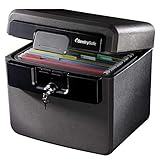
Overview: The SentrySafe HD4100 represents traditional fireproof safe design from a trusted brand. This hard-shell container offers certified protection for documents, valuables, and digital media in a stationary format. Measuring 14.3 x 15.5 x 13.5 inches, it provides substantial storage capacity for home or office use with built-in straps for organizing passports, birth certificates, and other critical papers.
What Makes It Stand Out: The HD4100 boasts legitimate third-party certifications—UL Classified for 30 minutes at 1550°F and ETL Verified for 72 hours of waterproof protection in up to 8 inches of water. Unlike soft-shell alternatives, this rigid safe features a flat key lock that physically prevents the lid from opening during fire exposure. The black exterior finish maintains a professional appearance while the integrated straps keep documents organized and secure during emergencies.
Value for Money: At $68, this safe sits in the mid-range price point. The cost is justified by genuine UL and ETL certifications that many competitors lack. While more expensive than soft-shell bags, the hard construction provides superior security against impact and unauthorized access, making it ideal for permanent installation. The 72-hour waterproof rating exceeds most competitors, offering exceptional flood protection.
Strengths and Weaknesses: Strengths include certified fire and waterproof protection, robust hard-shell construction, reliable key lock mechanism, and built-in organizational straps. Weaknesses include a lower fire rating (1550°F) compared to newer soft-shell options claiming 2000°F+, lack of portability due to weight, key lock inconvenience compared to combination locks, and only 30 minutes of fire protection versus some competitors’ longer ratings.
Bottom Line: The SentrySafe HD4100 excels for users prioritizing certified, stationary protection. Choose this for home offices or businesses needing a traditional safe with verified performance rather than marketing claims. It’s less suited for those requiring portability or higher fire ratings.
2. ENGPOW File Box with Lock,Fireproof Document Box with Zipper&Pockets,Collapsible File Organizer Filing Storage Cabinet with Handle,Portable Home Office Safe for Hanging Letter/Legal Folder,Black
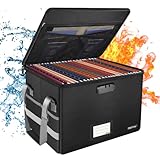
Overview: The ENGPOW Fireproof File Box offers a modern, portable alternative to traditional safes. This collapsible organizer combines fire and water resistance with travel-friendly design, measuring 15.55" x 12.2" x 10" to accommodate both letter and legal files. Its soft-shell construction prioritizes flexibility and convenience for home or office use, featuring side pockets and label slots for enhanced organization.
What Makes It Stand Out: This box features anti-static material that repels dust and pet hair, maintaining a clean appearance. A reflective strip ensures visibility during emergencies, even in darkness. The combination lock provides keyless security, while the adjustable handle and dual zippers enhance portability. It collapses flat for compact storage when not needed, making it ideal for space-conscious users who need occasional document protection.
Value for Money: Priced at $35.99, this box delivers solid value for a feature-rich portable solution. It undercuts hard-shell safes significantly while offering comparable basic protection. The SGS certification (UL94 VTM-0) for 2000°F resistance provides credible testing, though below some competitors’ claims. The collapsible design adds versatility that stationary safes cannot match, justifying the investment for mobile users.
Strengths and Weaknesses: Strengths include portability, anti-static coating, reflective safety strip, combination lock convenience, collapsible storage, and water resistance. Weaknesses include a lower fire rating (2000°F) than premium options, soft-shell vulnerability to impact or piercing, water-resistant (not waterproof) protection, and less structural rigidity for heavy items. The brand’s strong after-sales service mitigates quality concerns.
Bottom Line: The ENGPOW box suits users needing portable, organized document protection. It’s ideal for those who value convenience and mobility over maximum security. For stationary, high-value storage, consider a hard-shell safe instead.
3. ENGPOW 5200°F Fireproof Document Box with Lock, Heat Insulated Collapsible File Storage Organizer with Handle, Portable Home Office File Cabinet for Hanging Letter/Legal Size Folder, Black

Overview: ENGPOW’s upgraded fireproof document box elevates portable protection with enhanced materials and construction. This 15.55" x 12.2" x 10" organizer maintains the brand’s collapsible design while significantly improving fire resistance and structural integrity for more demanding users. The combination lock and adjustable handle provide security and mobility for important documents and valuables.
What Makes It Stand Out: The box withstands temperatures up to 5200°F using thickened silicone-coated fireproof cotton and aluminum foil lining. High-quality PP boards support 150 pounds without warping—substantially stronger than typical soft-shell designs. Anti-static material and reflective strips remain, while mesh pockets on the lid and sides provide superior organization. The aluminum foil lining resists melting under extreme heat, offering double protection.
Value for Money: At $43.99, this represents a modest $8 premium over ENGPOW’s standard model. The upgrade to 5200°F protection and reinforced construction justifies the price increase for those seeking maximum portable fire resistance. It competes well against similarly-rated products while offering better structural integrity than basic fabric boxes. The enhanced durability extends usable lifespan, improving long-term value.
Strengths and Weaknesses: Strengths include exceptional 5200°F fire rating, sturdy PP board construction, anti-static coating, reflective strips, combination lock security, enhanced organization, and collapsible portability. Weaknesses include soft-shell limitations (vulnerable to cutting/impact), higher cost than basic models, and still not matching the security of a hard safe. The improved rigidity addresses many common soft-box complaints.
Bottom Line: This upgraded ENGPOW box balances high fire ratings with portability. It’s perfect for users wanting serious fire protection without the weight of a traditional safe. The reinforced construction makes it more durable than budget alternatives while maintaining travel-friendly features.
4. DocSafe 5200°F Document Organizer with Lock, Upgraded Heat Insulated Fireproof&Water-Resistant Box 8 Layers File Organizer, Portable Home Travel Safe Storage for Important Documents, Files and More

Overview: The DocSafe 5200°F Document Organizer prioritizes meticulous organization alongside serious fire protection. This slim, multi-layered bag measures 15" x 11" x 4.1", offering a sophisticated filing system for users with diverse document types and digital media. The 8-layer construction provides comprehensive protection while maintaining a lightweight, portable profile for home, office, or travel use.
What Makes It Stand Out: Eight dedicated layers include eight passport mesh bags, 16 card slots, four USB pockets, seven folder layers, and a spacious main compartment—unmatched organizational detail. The eight-layer fireproof construction withstands 5200°F. A unique suitcase strap allows secure travel attachment, while professional-grade waterproof zippers protect against fire hose pressure. The design minimizes dust and pet hair adhesion, keeping contents clean.
Value for Money: At $35.98, this organizer delivers exceptional value for categorization enthusiasts. The extensive compartmentalization typically commands premium pricing, yet DocSafe matches competitors’ basic models. The 5200°F rating at this price point undercuts many alternatives, making it ideal for systematically organized archives. The suitcase strap adds travel utility that increases overall value.
Strengths and Weaknesses: Strengths include unparalleled organization, 5200°F fire rating, suitcase compatibility, waterproof zippers, combination lock, and slim profile for easy storage. Weaknesses include limited depth (4.1") restricting bulkier items, soft-shell security limitations, and potential zipper durability concerns under extreme conditions. The focused organization may be excessive for users with simple storage needs.
Bottom Line: The DocSafe excels for users with complex filing requirements requiring both portability and high fire resistance. It’s superior for organizing varied documents and digital media systematically. However, those storing bulky items or requiring maximum security should consider deeper boxes or hard safes.
5. Fireproof Document Box (Soft-Shell) with Lock & Waterproof Zipper, 5200°F Safe for Important Documents, Certificates, Laptop Portable File Organizer for Home, Office, Travel Storage

Overview: This budget-friendly fireproof document box delivers UL-certified protection at an entry-level price point. The soft-shell design emphasizes affordability and portability without sacrificing the high fire ratings found in premium competitors, making professional-grade protection accessible to cost-conscious consumers seeking basic document security.
What Makes It Stand Out: Despite the $18.99 price tag, this box boasts UL94 VTM-0 certification for 5200°F resistance—matching top-tier products. The multi-layer structure with aluminum foil barrier provides reliable fire and water protection. Accordion-style pockets and mesh compartments offer decent organization for documents, laptops up to 14 inches, and valuables. The combination lock secures contents without keys, while the lightweight design enables grab-and-go mobility.
Value for Money: Exceptional value defines this product. At under $19, it costs half of most competitors while maintaining identical fire ratings. The risk-free satisfaction guarantee eliminates purchase hesitation. While build quality may not match premium brands, the UL certification ensures baseline performance legitimacy. This is arguably the best price-to-protection ratio available for fireproof storage.
Strengths and Weaknesses: Strengths include unbeatable price, UL-certified 5200°F protection, lightweight portability, combination lock, and satisfaction guarantee. Weaknesses include unknown brand reliability, potentially inferior materials and stitching, soft-shell vulnerability, basic organizational features, and questionable long-term durability compared to established brands. The waterproof zipper may not match the flood protection of certified safes.
Bottom Line: This box is ideal for first-time buyers seeking affordable fire protection or as a secondary portable option. The UL certification and guarantee mitigate quality concerns. For primary storage of high-value items, investing in a reputable brand with proven track records offers better peace of mind despite higher cost.
6. Fireproof Document Organizer - Waterproof & Fireproof Document Box for Home, Office & Travel (White-01)

Overview: This portable fireproof document organizer offers dual-layer protection with a fire-resistant silicone exterior and aluminum foil interior, certified to withstand temperatures up to 5200°F. Measuring 14.9x11.8x4.7 inches, it provides ample space for documents, electronics, and valuables while remaining lightweight enough for travel. The white design features reflective strips for visibility and multiple carrying options including a handle and adjustable shoulder strap.
What Makes It Stand Out: The combination of extreme temperature resistance (5200°F) and superior waterproof sealing sets this apart from standard document bags. The upgraded waterproof zipper with sealed seams ensures protection against floods and heavy rain, while the foldable design allows it to fit inside larger safes. The reflective strip is a thoughtful safety feature for emergency retrieval in low-light conditions.
Value for Money: At $25.99, this organizer delivers exceptional protection at a budget-friendly price point. Comparable fireproof bags typically cost $30-40 without the waterproof enhancements or reflective safety features. The SGS UL94 V-1 certification and 24/7 customer support add significant value, making it an economical choice for comprehensive document protection.
Strengths and Weaknesses:
- Pros: Extreme heat resistance (5200°F), superior waterproofing, portable design with shoulder strap, reflective safety strip, foldable for nested storage, excellent customer support
- Cons: Soft-sided design offers less impact protection than hard-shell alternatives, no built-in lock mechanism, white color may show dirt more easily
Bottom Line: This fireproof document organizer is an excellent choice for those prioritizing portability and dual fire/water protection at an affordable price. While it lacks the rigid security of hard-shell cases, its exceptional temperature rating and waterproof features make it ideal for home, office, and travel use. Perfect for safeguarding passports, legal documents, and small electronics.
7. HIBWN Fireproof Document Box, Hard Case Fireproof File Organizer with Lock and 13 Pocket Accordion File Folder, Portable Safe Box for Home Office Travel to Storage Important Documents Laptop Black

Overview: The HIBWN hard-shell fireproof document box combines robust protection with organizational efficiency. Constructed from UL-94 VTM-0 certified flame-retardant fiberglass with a waterproof silicone coating, this 16"x12.5"x3" case features a 13-pocket accordion file system alongside multiple compartments for laptops, passports, and cards. The mechanical combination lock and leather carrying handles enhance both security and portability.
What Makes It Stand Out: The hard-shell construction provides superior impact resistance compared to soft-sided alternatives, while the comprehensive organizational system includes dedicated spaces for pens, USB drives, passports, and cards. The pressure-resistant design withstands external forces, and the non-stick silicone surface repels dust and stains. Double-opening metal fireproof zippers add an extra layer of protection against fire penetration.
Value for Money: Priced at $29.99, this organizer offers hard-shell protection and integrated locking at a mid-range price point. Similar hard-case fireproof boxes typically retail for $40-60, making this an excellent value. The inclusion of a 13-pocket accordion system eliminates the need for separate file organizers, providing additional cost savings and convenience.
Strengths and Weaknesses:
- Pros: Hard-shell impact protection, built-in combination lock, comprehensive organizational pockets, UL-94 VTM-0 certified, waterproof silicone coating, leather handles, pressure-resistant design
- Cons: Limited depth (3 inches) may restrict bulkier items, no shoulder strap option, black color absorbs heat potentially affecting fire performance
Bottom Line: This HIBWN fireproof box excels for users needing organized, secure, and impact-resistant document protection. The hard-shell design and built-in lock provide peace of mind, while the extensive pocket system keeps items systematically arranged. Ideal for home office use and travel, though the slim profile may not accommodate larger electronics. A smart investment for comprehensive protection.
8. DocSafe 5200°F Fireproof Document Box with Lock,Heat Insulated File Organizer Storage with Pockets,Collapsible Portable Home Office File Safe Box with Handle for Hanging Letter/Legal Folders, Black

Overview: DocSafe’s premium fireproof document box offers maximum protection with 8-layer construction featuring silicone-coated fireproof cotton and aluminum foil, certified to withstand 5200°F. The spacious 16"x12.5"x10.5" design accommodates both letter and legal-size hanging files while collapsing for compact storage. High-quality PP boards support 150 lbs, and the combination lock secures contents against unauthorized access.
What Makes It Stand Out: The collapsible design is unique among hard-shell fireproof boxes, allowing easy storage when not in use. The 8-layer protection system with aluminum foil lining prevents melting under extreme heat, while the Hook & Loop closure around the zipper provides additional fire and water barrier. Reflective strips and non-slip bottom pads demonstrate attention to practical details. The capacity to hold hanging files makes it a true portable filing system.
Value for Money: At $44.99, this represents a premium option that justifies its price through superior construction and versatility. The collapsible feature adds value for space-conscious users, while the 150-pound weight capacity and hanging file compatibility exceed standard document bags. Comparable products with similar features often exceed $60, making this a cost-effective solution for comprehensive protection.
Strengths and Weaknesses:
- Pros: 8-layer fireproof protection, collapsible design, accommodates hanging files, 150-lb weight capacity, combination lock, reflective strips, Hook & Loop seal, non-slip bottom
- Cons: Higher price point, larger size may be less portable, black color may absorb heat, collapsible mechanism could wear over time
Bottom Line: This DocSafe box is ideal for users needing maximum capacity and professional-grade protection. The collapsible design solves storage challenges while maintaining robust security. Perfect for home offices requiring organized, fireproof filing that can be quickly grabbed during emergencies. The premium construction and thoughtful features justify the investment for protecting extensive document collections.
9. DocSafe Fireproof File Organizer with Lock, Hard-Shell Case Fireproof Document Box with 13 Pocket Accordion File Folder, Portable Home Office Travel Safe Storage for Important Documents Laptop Black

Overview: This DocSafe hard-shell organizer combines fireproof protection with sophisticated organization in a sleek 15.5"x11.5"x3" design that expands to 4 inches. Constructed from silicone-coated fireproof cotton with hard-shell reinforcement, it meets UL-94 VTM-0 standards. The 13-pocket accordion system includes specialized compartments for cards, passports, pens, and USB drives, while the combination lock and double metal zippers secure contents.
What Makes It Stand Out: The hard-shell construction maintains a professional appearance while providing superior protection, and the non-dusty material actively repels contaminants. The multi-layer design offers remarkable organizational flexibility with 13 accordion pockets plus numerous specialized slots. The expansion capability from 3 to 4 inches accommodates varying document volumes, while the water-resistant properties protect against environmental hazards beyond just fire.
Value for Money: Priced at $42.98, this organizer positions itself as a premium hard-shell option. It competes directly with higher-priced alternatives by offering comprehensive organization and certified protection. The inclusion of both accordion filing and specialized pockets eliminates additional organizational purchases, providing solid value for professionals needing systematic document management with security.
Strengths and Weaknesses:
- Pros: Hard-shell protection, expandable design, comprehensive organizational system, UL-94 VTM-0 certified, water-resistant, combination lock, double metal zippers, non-dusty material
- Cons: Premium pricing, limited depth even when expanded, no shoulder strap, black exterior may retain heat
Bottom Line: This DocSafe organizer serves professionals requiring secure, organized, and portable document protection. The hard-shell design and extensive pocket system make it ideal for business travel and home office use. While priced higher than basic models, the certified protection and superior organization justify the cost for those managing multiple document types. A reliable choice for comprehensive security.
10. SentrySafe Charcoal Gray Waterproof and Fireproof Safe, Lock Box with Keypad for Documents and Hanging File Folders, Exterior: 14.1 x 16.6 x 13.8 Inches, FHW40300

Overview: The SentrySafe FHW40300 is a heavy-duty fireproof and waterproof safe designed for comprehensive home and business protection. UL classified for 30 minutes at 1550°F and ETL verified for 72-hour water submersion, this 14.1"x16.6"x13.8" safe features a digital keypad lock. The interior accommodates hanging file folders and digital media, providing professional-grade security for critical documents and valuables.
What Makes It Stand Out: Unlike portable organizers, this is a true safe with certified fire endurance and extended water submersion protection. The 72-hour waterproof rating far exceeds typical water-resistant bags, while the UL classification ensures reliable performance. The digital keypad provides quick access without keys, and the interior is specifically designed for hanging file systems, making it a permanent storage solution rather than a grab-and-go option.
Value for Money: At $105.32, this represents a significant investment but delivers true safe-level protection. Comparable fireproof safes with similar certifications typically range from $150-250, making this an excellent value. The dual fire and water certifications, combined with digital media protection, justify the premium price for those requiring maximum security for irreplaceable items and extensive document archives.
Strengths and Weaknesses:
- Pros: UL classified fire protection, 72-hour water submersion rating, digital keypad access, accommodates hanging files, ETL verified digital media protection, heavy-duty construction
- Cons: Higher price point, not portable (40+ lbs), requires permanent placement, limited fire endurance (30 minutes vs. higher ratings available), keypad battery dependency
Bottom Line: This SentrySafe is ideal for homeowners and businesses needing stationary, certified protection against fire and flood. The extended water submersion rating and digital media protection make it superior for safeguarding irreplaceable items. While not portable and requiring a larger investment, it provides peace of mind that portable organizers cannot match. Recommended as a primary safe for critical document storage.
Why Fireproof Document Boxes Are Non-Negotiable for Home Offices
Home-based businesses face unique risks that corporate offices mitigate through building codes and commercial-grade fire suppression systems. Your residential space likely lacks sprinkler systems, and everyday activities like cooking or electrical overloads from multiple devices create fire hazards within feet of your critical paperwork. A fireproof document box serves as your personal fire suppression system for information, creating a micro-environment where temperatures remain low enough to prevent paper charring and ink degradation even when everything around it is consumed by flames.
Understanding Modern Fire Risks in Residential Workspaces
Contemporary home offices run hotter than ever—literally. Multiple monitors, charging stations, space heaters, and coffee makers create concentrated electrical loads on circuits never designed for commercial use. Add in the proliferation of lithium-ion batteries in laptops and backup power supplies, and you’ve got a recipe for thermal runaway events that can ignite without warning. Fireproof document boxes account for these modern realities by providing protection that activates independently of any external systems, ensuring your business continuity plans aren’t dependent on smoke detectors or your ability to grab items during evacuation.
Fire Ratings Demystified: What Those UL Numbers Really Mean
When you see a UL 350 rating, you’re looking at a standardized test result that measures performance under conditions far more severe than typical house fires. Underwriters Laboratories subjects boxes to temperatures exceeding 1,700°F while monitoring internal temperatures, ensuring they stay below 350°F—the critical threshold where paper begins to chemically break down. This rating includes a time component, typically 30 minutes, 1 hour, or 2 hours, representing how long the box can maintain this protective barrier during continuous fire exposure.
The Critical Difference Between Fire-Resistant and Fireproof
The term “fireproof” is technically a misnomer; nothing is entirely impervious to fire given enough time and temperature. Fire-resistant is more accurate, but manufacturers use “fireproof” because consumers search for that term. What matters is the specific rating and testing standard. True fire-rated boxes undergo furnace testing where they’re heated according to a time-temperature curve that simulates real fire progression, then dropped from height to test integrity after structural collapse scenarios. Boxes without UL or ETL certification might use fire-resistant materials but lack the engineered seals and construction to perform when it matters most.
Time-Based Ratings: 30 Minutes vs. 2 Hours Explained
A 30-minute rating provides adequate protection for most residential fires, which typically burn for 20 minutes before being suppressed or consuming available fuel. However, home offices located in garages, basements, or detached structures face longer exposure risks due to delayed fire department response and isolation from main living areas where alarms are more likely to be heard. Two-hour ratings become essential if you store documents in outbuildings or if your business requires protection against wildfire scenarios where structures may burn for extended periods before responders can access the area.
Essential Documents You Should Protect
Beyond the obvious passports and birth certificates, home office professionals need to protect business-specific items that prove ownership, compliance, and financial standing. Articles of incorporation, operating agreements, and trademark registrations establish your legal entity’s existence. Client contracts with original signatures may be required for enforcement in court. Tax documentation spanning seven years protects you during audits, while insurance policies must be accessible to file claims after a disaster—ironically when you need them most but they’re most vulnerable.
Business vs. Personal: Creating Your Priority List
Segment your documents into three tiers: irreplaceable originals, difficult-to-replace records, and convenient-to-have copies. Irreplaceable items include notarized documents, original intellectual property filings, and legacy records predating digital systems. Difficult-to-replace documents involve certified copies requiring court orders or lengthy administrative processes. This triage system helps determine box size and whether you need multiple containers with different accessibility levels for daily-use items versus long-term archival storage.
Key Features That Separate Premium from Basic
The difference between a $50 box and a $300 model isn’t just branding—it’s engineering. Premium models feature palusol seals that expand when heated, creating an airtight barrier against smoke and water. They use multi-layer insulation with different materials optimized for various temperature ranges. Basic models might have a single layer of gypsum board and a simple rubber gasket that fails under thermal stress, allowing superheated gases to infiltrate and damage contents even if external flames never breach the shell.
Locking Mechanisms: Beyond Simple Key Locks
Modern fireproof boxes offer locking systems that balance security with emergency access. Dual-lock systems requiring both a key and combination prevent unauthorized access while allowing trusted individuals entry if you’re incapacitated. Some models feature time-delay locks that deter theft but can be overridden with proper credentials. Consider whether you need quick access for daily documents or maximum security for archival storage, as these requirements dictate different lock types.
Water Resistance: The Overlooked Dual Threat
Fire suppression efforts cause more water damage than flames in many structure fires. High-quality fireproof boxes carry separate water resistance ratings, often IP67, indicating they can withstand submersion up to one meter for 30 minutes. This protection comes from pressure-tested seals and one-piece construction without seams that could leak. After Hurricane Sandy, many business owners discovered their fireproof boxes survived flames only to have contents destroyed by floodwater, making dual-rated protection non-negotiable in coastal or flood-prone areas.
Portability vs. Permanent Installation
Portable boxes weighing under 40 pounds allow evacuation during emergencies but sacrifice capacity and often fire rating duration. Permanently installed floor safes offer superior protection but require professional installation and can’t be removed if you need to relocate quickly. For home offices, the sweet spot often involves a medium-sized portable box bolted to floor joists through the bottom, providing both security and the option to unbolt it within minutes if evacuation becomes necessary.
Size Matters: Calculating Your Storage Needs
Measure your current document volume, then double it. Most professionals underestimate growth, especially with mandatory record retention periods. A typical home office requires 0.5 to 1.0 cubic feet for essential documents, but this excludes bulkier items like external hard drives, backup media, and client work product. Consider interior dimensions carefully—thick insulation reduces usable space significantly compared to external measurements. Look for models with adjustable shelving or hanging file systems that maximize vertical space without compromising protection.
The Expansion Factor: Planning for Growth
Your business will generate more paperwork than you anticipate. Client projects, regulatory changes requiring additional documentation, and natural accumulation of financial records will fill available space within 18-24 months. Purchasing a box rated for 50% more capacity than your current needs prevents the costly mistake of needing a second unit later. Some manufacturers offer expansion kits or modular systems that allow adding capacity while maintaining fire rating integrity, though these are premium solutions.
Material Science: What’s Actually Inside These Boxes?
The protective heart of any fireproof box is its insulation, typically composed of hydrated materials that release water vapor when heated. This endothermic reaction consumes thermal energy, keeping interior temperatures stable. Premium boxes use multiple layers: outer steel shell, vermiculite board for high-temperature phase, gypsum layer for sustained heat absorption, and inner steel or composite liner. Each material activates at different temperature thresholds, creating a cascading defense system.
Gypsum vs. Vermiculite Insulation
Gypsum board contains chemically bound water that releases at 212°F, providing excellent protection during initial fire stages. However, it can crack under thermal shock and loses effectiveness after water release. Vermiculite, a mineral that expands when heated, maintains structural integrity at temperatures exceeding 2,000°F but provides less initial cooling. The best boxes combine both materials, using gypsum for immediate protection and vermiculite for sustained high-temperature defense. Understanding this helps you evaluate manufacturer claims and price differences.
Steel Gauge and Construction Quality
The outer steel shell’s thickness, measured in gauge, impacts both security and fire performance. Lower gauge numbers indicate thicker steel—16 gauge is substantially stronger than 20 gauge. In fires, thinner steel warps faster, compromising seal integrity. Look for continuously welded seams rather than spot-welded or riveted construction, as these maintain structural integrity under thermal expansion. Reinforced corners and door frames prevent deformation that could create gaps in the protective barrier.
Locking It Down: Security Features Worth Considering
Fire protection means nothing if theft compromises your documents beforehand. Modern boxes integrate security features that rival commercial safes. Anti-pry door designs use interlocking bolts that extend deep into the frame. Hardplate steel behind the lock prevents drilling attacks. Some models include vibration sensors that alert you to tampering attempts. For home offices with cleaning services or contractors, these features provide necessary access control without requiring a separate security system.
Biometric Options for Quick Access
Fingerprint scanners on fireproof boxes offer convenience but raise reliability questions. Optical sensors can fail if fingers are sweaty or dirty, while capacitive sensors are more robust but costlier. Consider whether biometric access is truly necessary—most home office users don’t require sub-10-second access. If you choose this route, ensure the system includes backup entry methods and that the biometric module itself is fire-rated, as electronic components are vulnerable to heat damage even if the box interior remains protected.
Tamper-Evident Designs
Some premium boxes include features that reveal unauthorized access attempts. These range from simple seal indicators to sophisticated electronic logs that record every opening. For home offices handling client data subject to privacy regulations, tamper evidence helps maintain compliance and provides audit trails. Mechanical relockers trigger if the lock is attacked, permanently sealing the box until a locksmith with manufacturer credentials can open it—frustrating for legitimate users but devastating for thieves.
Placement Strategy: Where to Position Your Box
Location determines both protection level and accessibility. Avoid garages and basements where humidity and temperature fluctuations degrade seals and insulation over time. Upper floor installations risk falling through burned floor joists during structural collapse, potentially exposing the box to more intense heat from below. The optimal location is an interior first-floor closet, away from potential ignition sources but accessible enough for daily use. Consider proximity to your primary exit route—you may need to grab the box during evacuation.
Environmental Factors That Degrade Performance
Humidity above 60% causes insulation materials to absorb moisture, reducing their effectiveness and potentially promoting mold growth on stored documents. Temperature swings above 90°F accelerate seal aging. Direct sunlight on the box exterior creates thermal cycling stress. Install your box in climate-controlled areas away from HVAC vents, windows, and exterior walls. Use desiccant packs inside the box, replacing them quarterly, to maintain optimal humidity levels below 50%.
Accessibility vs. Concealment
A box that’s too well-hidden becomes useless for daily operations, while one that’s too accessible invites theft. The compromise involves strategic concealment—placing it in a cabinet or behind false panels—while maintaining clear access paths. Consider who needs access besides yourself. If you have a business partner or spouse who might need documents during your absence, ensure they can locate and open the box without moving heavy furniture or disassembling installations.
The Hidden Costs of Going Cheap
Budget fireproof boxes often achieve lower prices by using thinner steel, single-layer insulation, and basic seals that fail under real fire conditions. The true cost emerges after a fire when you discover your “fireproof” box warped, allowing heat and smoke to destroy contents. Insurance adjusters may deny claims if your box lacked proper certification, arguing you didn’t take reasonable protective measures. The $200 saved on a cheap box can translate to tens of thousands in uninsured losses and business disruption.
When Budget Options Fail: Real-World Scenarios
Investigation reports from structure fires reveal that sub-$100 boxes often fail within 15 minutes due to seal degradation and steel warping. In one documented case, a home office owner lost $50,000 in client contracts and intellectual property because their budget box’s plastic handle melted, allowing the door to open during firefighting efforts. Premium boxes use metal handles and redundant locking bolts that remain engaged even if primary mechanisms fail under heat stress.
Warranty and Replacement Programs
Reputable manufacturers offer free replacement after a fire—if you return the damaged box with proof of purchase. This isn’t charity; it provides them with failure analysis data. However, read the fine print: some warranties only cover the box itself, not contents, and require registration within 30 days of purchase. Look for brands that include data recovery services for damaged digital media stored inside, as this indicates confidence in their product’s performance under extreme conditions.
Professional vs. Home Office Grades
Commercial-grade boxes meet stricter standards like UL Class 350-4 for four-hour protection and are tested for impact resistance after falling through multiple stories. Home office users rarely need this level of protection, but businesses with significant client assets or regulatory requirements may be legally obligated to use professional-grade solutions. Check your professional liability insurance policy—some require specific fire ratings for document storage to maintain coverage.
Certification Requirements for Business Use
If you’re a lawyer, accountant, or healthcare provider, professional ethics rules may dictate document protection standards that exceed typical home office needs. The American Bar Association, for instance, requires “reasonable efforts” to protect client files, which courts have interpreted to mean certified fire protection. Using a non-certified box could constitute malpractice if client documents are lost. Even if not legally required, using professional-grade equipment demonstrates due diligence that protects you from liability claims.
Maintenance and Care: Extending Lifespan
Fireproof boxes require maintenance unlike regular storage. Annual inspections should check seal integrity, lock function, and signs of corrosion. The protective insulation can settle over time, creating voids that compromise performance. Gently shake the box—if you hear shifting or crumbling sounds, the insulation may be degrading. Manufacturers recommend professional servicing every 5-7 years, where they X-ray the insulation and replace seals, though this costs nearly as much as a new box.
Inspection Checklists
Create a quarterly routine: test the lock mechanism, inspect the seal for cracks or hardening, check for exterior rust or paint bubbling that indicates moisture intrusion, and verify the box hasn’t shifted from its installed position. Document each inspection with photos—this creates a maintenance record that insurance companies may request after a fire to verify you took proper care of the protective equipment. If your box has a digital lock, replace batteries every six months regardless of use.
Humidity Control Inside the Box
Even with perfect external conditions, documents release moisture that gets trapped inside sealed boxes. Use silica gel desiccants rated for the box’s interior volume, and replace them every 3-4 months. Some premium boxes include built-in humidity indicators that change color when levels rise above safe thresholds. Never store damp documents or use the box as a dehumidifier for other items—introducing moisture degrades the entire system’s effectiveness and can cause mold outbreaks that ruin everything inside.
Insurance Implications: What Your Provider Wants You to Know
Most home business insurance riders require “reasonable protective measures” for documents, but few define what that means. Contact your agent to get specific fire rating requirements in writing. Some policies reduce premiums by 5-10% if you use UL-rated boxes, as it lowers their payout risk. Document your box’s installation with photos and keep purchase receipts in cloud storage—if the box survives but you can’t prove its rating, your claim may be denied.
Documenting Your Assets
Create a digital inventory of everything stored in your fireproof box, updating it quarterly. This serves two purposes: it speeds insurance claims by proving what was lost, and it helps you retrieve specific documents without rifling through everything during emergencies. Store this inventory encrypted in cloud storage, not in the box itself. Include photos of documents’ first pages, serial numbers of stored devices, and estimated replacement values for business-critical items.
Digital Backup Integration Strategies
Fireproof boxes protect physical documents, but modern businesses require hybrid approaches. Store backup hard drives and USB drives in your box, but understand that heat can damage electronics even if interior temperatures stay below paper’s ignition point. Look for boxes with separate media compartments rated UL 125, which maintains temperatures low enough for digital storage. Implement the 3-2-1 backup rule: three copies of data, two different media types, one off-site.
The 3-2-1 Rule Applied to Physical Documents
For irreplaceable originals, create three copies: the original in your fireproof box, a certified copy in a safe deposit box, and a digital scan in encrypted cloud storage. Two different media types means paper plus digital, protecting against format obsolescence. One off-site location ensures wildfires or regional disasters don’t destroy all copies. This approach costs more initially but provides redundancy that single solutions can’t match.
Common Mistakes Home Office Owners Make
Overloading boxes is the most frequent error—stuffing them beyond capacity prevents proper door sealing and crushes insulation. Another mistake is storing the box near potential ignition sources like space heaters or overloaded power strips. Some users forget to register warranties or document purchases, voiding replacement guarantees. Perhaps most critically, many never test their locks or seals until an emergency, discovering too late that moisture has seized the mechanism.
Overloading and Organization Errors
Use hanging file folders and document wallets to keep papers upright and prevent them from pressing against seals. Never store items on top of the insulation layer inside the door—this blocks the seal’s expansion during fires. Leave 20% of interior space empty to allow air circulation and prevent moisture buildup. Organize documents by access frequency, placing daily-use items in a smaller, secondary box while keeping archival materials in your primary, high-rated unit.
Frequently Asked Questions
How long should a fireproof document box actually last?
With proper maintenance, a quality box maintains its rating for 20-30 years. However, seals degrade faster in humid climates, requiring replacement every 10-15 years. After any fire exposure, even if contents appear undamaged, the box must be replaced as its protective materials have been chemically altered and won’t perform reliably in subsequent events.
Can I store digital media in a standard fireproof document box?
Standard boxes rated UL 350 maintain interior temperatures safe for paper but can still reach 350°F, which destroys hard drives and USB sticks. For digital media, you need a box with a separate UL 125 rating for media protection, or use a media-specific safe within your larger document box. Some manufacturers offer insulated media containers designed to fit inside standard document boxes.
What’s the difference between a fireproof box and a fireproof safe?
The terms are often used interchangeably, but safes typically offer higher security features like thicker steel, anti-drill plates, and higher burglary ratings. Fireproof boxes prioritize document protection and accessibility, often with lighter construction. For home offices, a fireproof box usually suffices unless you’re storing large cash amounts or valuables requiring TL-rated burglary protection.
How do I know if a fireproof box is truly certified?
Look for UL or ETL labels with specific ratings like UL 350-1hr. The label should include a serial number you can verify on the testing laboratory’s website. Be wary of vague claims like “fire-resistant” without numbers, or certifications from unknown labs. Reputable manufacturers provide documentation showing the exact testing standards met.
Will a fireproof box protect against wildfires?
Standard home fire ratings assume interior house fires that are suppressed within 1-2 hours. Wildfires can expose structures to radiant heat and flames for much longer. If you live in a wildfire-prone area, you need a box rated for at least 2 hours, preferably installed in an interior room away from exterior walls. Better yet, use a professional-grade safe rated for 4 hours and consider a safe deposit box for the most critical items.
Can fireproof boxes be repaired after damage?
Minor issues like lock replacement or seal adjustment can be repaired by authorized service centers, but any compromise to the insulation or steel shell requires factory rebuilding. After fire exposure, reputable manufacturers offer free replacement rather than repair, as the internal structure’s integrity cannot be reliably restored. Attempting DIY repairs on the insulation voids the fire rating and any warranty.
How much weight can I put on top of my fireproof box?
Most portable boxes support 200-300 pounds on their lid, but stacking compromises accessibility and can damage seals if the box isn’t perfectly level. For permanent installations, avoid placing any weight on top that could shift during an earthquake or building movement, as this can warp the door frame and prevent proper sealing. Built-in models are designed to support weight above them, but freestanding units should remain unstacked.
Do fireproof boxes need to be bolted down?
Bolting prevents theft and ensures the box stays in its optimal location, but it’s not required for fire protection. However, during structural collapse, an unbolted box can fall through floor openings into more intense fire areas. If you choose not to bolt, position the box where falling debris is unlikely to dislodge it, such as in a closet corner. Most manufacturers include bolt-down hardware and specify installation requirements in their warranty terms.
What humidity level is safe for documents inside the box?
Maintain relative humidity between 30-50% to prevent mold growth while avoiding brittleness. Use desiccant packs sized for your box’s interior volume, and replace them every 3-4 months. Some premium boxes include electronic humidity monitors. If you live in a humid climate, consider installing a small, passive dehumidification system inside the box, but never use powered devices that could generate heat or sparks.
Can I store firearms in a fireproof document box?
Fireproof document boxes lack the security features and safety mechanisms required for firearm storage. The insulation materials can also absorb moisture that promotes rust. Additionally, the fire rating is calculated for paper, not ammunition or firearm components that could react differently to heat. Use a dedicated fire-rated gun safe that provides both proper security and appropriate fire protection for metal objects.