If you’ve spent any length of time hunting for solutions to chronic back pain or posture problems, you’ve probably encountered the peculiar-looking kneeling ergonomic chair. Unlike traditional office chairs that promise support through cushioning and lumbar mechanisms, kneeling chairs take a radically different approach—one that transforms sitting from a passive, compressive activity into an active, dynamic experience.
The concept is deceptively simple: by tilting your pelvis forward and redistributing your weight between your shins and sit bones, these chairs encourage a more natural spinal curve that your body actually wants to maintain. But not all kneeling chairs are created equal, and choosing the right one requires understanding nuanced design differences, your own body mechanics, and realistic expectations about the transition period. This comprehensive guide cuts through the marketing hype to give you the expert insights you need to make an informed decision.
Top 10 Kneeling Ergonomic Chairs for Active Posture
Detailed Product Reviews
1. Ultimate Ergonomic Kneeling Chair - Adjustable Seat & Smooth Rocking Base for Active Posture Support, Effectively Relieves Back & Spine Pressure at Home/Office, Sturdy Kneeling Chair Holds 300lbs

Overview: The Ultimate Ergonomic Kneeling Chair positions itself as a premium active seating solution for serious posture correction. With a robust hardwood frame supporting up to 300 pounds and accommodating users from 4'11" to 6'4", this chair targets ergonomic enthusiasts who need reliable, long-term support. Its 4-inch height adjustment range and compatibility with 28"-36" standing desks make it versatile for various modern workspaces.
What Makes It Stand Out: This chair’s patented dual-density cushions with cooling gel layer and breathable mesh set it apart from competitors. The dynamic 25° forward tilt combined with 15° rocking motion creates micro-movements that boost circulation during long work sessions. Its multi-scene versatility extends beyond office use to meditation and gaming, while the industrial-grade construction exceeds industry standards by 20% and retains 95% resilience after 10,000 compression tests.
Value for Money: At $119.99, this represents a mid-to-premium investment. The 300-pound capacity, advanced cushioning technology, and extensive durability testing justify the price point. Compared to standard office chairs costing $200+, it offers specialized posture correction at a reasonable premium, especially considering the tool-free 8-minute assembly.
Strengths and Weaknesses: Strengths include exceptional weight capacity, superior build quality, cooling comfort technology, and extensive height range. The posture correction system redistributes weight effectively (60% shins, 40% buttocks) and users report 72% back pain reduction. Weaknesses include a potential learning curve for traditional chair users and limited aesthetic options. The 72% pain reduction claim requires consistent two-week use.
Bottom Line: Ideal for users prioritizing durability and advanced ergonomics. The Ultimate Ergonomic Kneeling Chair delivers professional-grade posture support that justifies its price for those committed to active sitting and willing to invest in premium features.
2. TinyHaven Ergonomic Kneeling Chair with Wooden Frame - Adjustable Height Office Chair with Soft Padding for Back Pain Relief, Posture Correcting Home & Office Desk Chair Wood

Overview: The TinyHaven Ergonomic Kneeling Chair offers a solid wooden alternative with impressive customization capabilities. Supporting 250 pounds with its sturdy solid wood frame, this chair emphasizes gradual posture adaptation through its unique angle adjustment system, making it suitable for users seeking a more traditional aesthetic in their workspace.
What Makes It Stand Out: With 24 adjustable angle combinations, this chair provides personalized comfort unmatched by most competitors. The manufacturer thoughtfully includes adaptation guidance, recommending 20-30 minute sessions initially. Its gentle rocking mechanism helps ease stiffness and boost circulation during extended work periods, while maintaining a 60-70° thigh-to-calf angle for optimal spinal pressure reduction according to studies.
Value for Money: Priced at $109.99, this chair sits in the middle range. The solid wood construction and extensive adjustability offer good value, though the 250-pound capacity is standard rather than exceptional. It competes well with metal-frame alternatives at similar price points while providing a warmer, natural aesthetic that many users prefer for home offices.
Strengths and Weaknesses: Strengths include excellent customization options, quality wooden construction, and responsible user guidance for safe adaptation. The slow-rebound foam cushion minimizes fatigue effectively. Weaknesses include the standard weight capacity and potentially longer adjustment period for users. The vague warranty information and limited color selection may deter some buyers seeking more variety.
Bottom Line: A reliable choice for users wanting customizable angles and natural materials. The TinyHaven chair rewards patient users with tailored posture support, making it worth the moderate investment for home and office use where aesthetic matters.
3. Ergonomic Kneeling Chair, Adjustable Stool for Home and Office - Improve Your Posture with an Angled Seat - Thick Comfortable Moulded Foam Cushions - Brake Casters
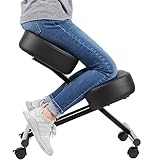
Overview: The DRAGONN Ergonomic Kneeling Chair presents a budget-conscious entry into active sitting. Featuring a sturdy metal base and 250-pound capacity, this stool prioritizes mobility and simplicity with its four caster wheels and sleek all-black design that fits any modern workspace from office to classroom.
What Makes It Stand Out: Its smooth mobility distinguishes it from stationary wooden competitors. The 3-inch thick vinyl cushion provides substantial support, while the 21"-28" height adjustment range accommodates various desk heights. The brake casters add safety, preventing unwanted movement during focused work. Its versatility extends across multiple environments where flexibility is key.
Value for Money: At $99.99, this is the most affordable traditional kneeling chair in the lineup. The metal construction ensures durability while keeping costs down. Users seeking basic posture correction without premium features will find excellent value here, especially given the mobility advantage that increases productivity in dynamic workspaces.
Strengths and Weaknesses: Strengths include superior mobility, easy height adjustment, and accessible pricing. The metal frame offers modern aesthetics and durability. Weaknesses include the vinyl cushion’s potential breathability issues compared to mesh or gel options. The 250-pound capacity is adequate but not exceptional, and the design lacks advanced rocking mechanisms found in pricier models that promote micro-movement.
Bottom Line: Perfect for first-time kneeling chair users or those prioritizing mobility over advanced features. The DRAGONN chair delivers core ergonomic benefits at an accessible price point, making it a smart introductory purchase for students and mobile professionals.
4. Adjustable Kneeling Chair, Wooden Ergonomic Chair Knee Chair Posture Chair - Improve Your Posture with an Angled Seat for Home,Office (Wood Color+ Pads)

Overview: This Adjustable Wooden Kneeling Chair takes a minimalist approach to ergonomic seating. With its wood color frame and cylindrical black pads, it focuses on essential posture correction through its angled seat design without unnecessary complexity, targeting users who prefer simplicity and clean aesthetics in their furniture.
What Makes It Stand Out: The clean, natural aesthetic appeals to users wanting furniture that blends seamlessly with home decor. Its straightforward design emphasizes function over features, potentially offering reliability through simplicity rather than complex mechanisms. The wooden construction suggests durability, though specific weight ratings and technical specifications aren’t detailed in the minimal feature list provided.
Value for Money: At $129.99, this is the most expensive option despite offering the fewest specified features. The price likely reflects solid wood construction and simplicity, but competitors provide more detailed specifications and advanced features at lower costs. Value depends heavily on unconfirmed build quality and actual materials used, making it a risky investment without further information.
Strengths and Weaknesses: Strengths include potential aesthetic appeal and straightforward assembly with fewer moving parts to maintain. The wooden frame may offer environmental benefits over metal. Significant weaknesses include the complete lack of detailed specifications—no weight capacity, height range, cushion thickness, or adjustment mechanisms are confirmed. This information gap makes it impossible to verify claims or compare accurately with alternatives.
Bottom Line: Difficult to recommend without more information. While the design appears attractive, the $129.99 price demands transparency about specifications. Potential buyers should contact the seller for detailed specs before purchasing. Better-documented alternatives exist at this price point with proven performance metrics.
5. AtHope Ergonomic Cross Legged Office Chair with Wheels - Adjustable Height for Meditation, ADHD Desk & Yoga - Wide Criss Cross Design with Lumbar Support, Kneeling Chair - Black

Overview: The AtHope Ergonomic Cross Legged Office Chair breaks from traditional kneeling chair design, offering unprecedented seating flexibility. Supporting 250 pounds with an FSC-certified wood frame and steel base, it caters to yoga enthusiasts, meditation practitioners, and those with ADHD who require frequent position changes throughout the day.
What Makes It Stand Out: The 360-degree rotating footrest is genuinely innovative, allowing posture adjustments without moving the entire chair. Its wide design accommodates cross-legged, squatting, and kneeling positions—transforming it from office chair to meditation seat. The water-resistant PU leather and fixed lumbar backrest add practicality and consistent support for extended sessions.
Value for Money: At $89.99, this is the most affordable and uniquely versatile option. The FSC certification and sturdy steel base suggest quality construction despite the low price. For users wanting multiple seating options, it offers exceptional value compared to buying separate specialized chairs for different activities, essentially providing three chairs in one.
Strengths and Weaknesses: Strengths include unmatched versatility, ADHD-friendly design, easy-clean materials, and the lowest price point. The rotating footrest is a practical innovation that enhances comfort. Weaknesses include the non-traditional design, which may not suit conventional office environments. The fixed backrest limits customization, and the wide footprint requires more space than standard kneeling chairs.
Bottom Line: Highly recommended for non-traditional sitters, meditation practitioners, or those with ADHD. The AtHope chair’s versatility and thoughtful design make it an exceptional value, though traditional office workers may prefer conventional kneeling chairs for task-specific work.
6. NYPOT Ergonomic Kneeling Chair with Adjustable Seats - Knee Chair for Posture Correction & Kneel Rocking Stool for Desk - Back Pain Relief for Home and Office, Supports 250 pounds - 5 Years Warranty

Overview: The NYPOT Ergonomic Kneeling Chair positions itself as a versatile solution for posture correction and back pain relief. Designed to accommodate users up to 250 pounds, this chair features adjustable height settings compatible with standard 29-35 inch desks, making it suitable for most home and office environments.
What Makes It Stand Out: This chair’s multifunctional design sets it apart from traditional kneeling chairs. It transitions between kneeling, cross-legged, and meditation positions, offering remarkable versatility for active sitters. The gentle rocking mechanism helps reduce stiffness during extended sessions, while the five-year warranty provides substantial peace of mind compared to competitors.
Value for Money: At $199.99, the NYPOT sits in the mid-range category. The extended warranty and versatile functionality justify the investment, especially for users seeking more than basic posture support. While cheaper alternatives exist, few offer the same combination of adjustability, weight capacity, and multi-position use.
Strengths and Weaknesses: Pros:
- Five-year warranty exceeds industry standard
- Versatile seating positions (kneeling, cross-legged, meditation)
- Smooth height adjustment for various desk heights
- Gentle rocking motion reduces pressure points Cons:
- Initial adjustment period may cause discomfort
- 250-pound capacity limits some users
- Requires proper desk height matching for optimal comfort
Bottom Line: The NYPOT kneeling chair is an excellent choice for users seeking versatile, active seating with strong warranty protection. It’s ideal for home offices and creative spaces where flexibility matters more than maximum weight capacity.
7. Cross Legged Office Chair Meditation ADHD Yoga Chair for Adults with Ergonomic Back Support Cushioned Seat and Leg Rest for Criss Cross Sitting Kneeling Fidgeting Height Adjustable 360° Swivel

Overview: This budget-friendly cross-legged office chair targets active sitters and individuals with ADHD who benefit from movement. Featuring a 4-inch thick cushioned seat and 360-degree swivel functionality, it accommodates various sitting positions from traditional to criss-cross and kneeling.
What Makes It Stand Out: The chair’s standout feature is its remarkable adaptability at an accessible price point. The retractable footrest saves space while supporting multiple postures, and the 360-degree rotation of both seat and leg rest encourages constant micro-movements. Designed specifically for ADHD users and active sitters, it promotes focus through physical engagement.
Value for Money: At $84.99, this chair delivers exceptional value. Comparable chairs with similar features typically cost twice as much. While materials may not match premium options, the functionality-to-price ratio is outstanding for budget-conscious buyers or those experimenting with active seating.
Strengths and Weaknesses: Pros:
- Highly affordable at under $85
- 360-degree swivel seat and leg rest
- Retractable footrest saves space
- Thick 4-inch cushion provides comfort
- Quick 15-minute assembly Cons:
- Lower weight capacity unspecified
- PU leather may wear over time
- Limited height adjustment range (19-23")
- Build quality may not suit heavy daily use
Bottom Line: This chair is a fantastic entry point into active seating, particularly for ADHD users and those who prefer cross-legged postures. Its affordability and versatility make it ideal for home offices, though heavy users may need to invest in more durable options.
8. Varier Variable Natural/Grey Ergonomic Office Kneeling Chair – Active Sitting, Rocking Seat for Home, Study & Posture Support – 10 Year Quality Guarantee

Overview: The Varier Variable represents the premium tier of ergonomic kneeling chairs, designed in Norway with Scandinavian aesthetics. Weighing only 7kg yet supporting up to 110kg, this chair emphasizes natural movement through its rocking mechanism and clean, timeless design.
What Makes It Stand Out: Authentic Scandinavian design and exceptional build quality distinguish this chair. The beech plywood construction offers both durability and beauty, while the 10-year quality guarantee demonstrates manufacturer confidence. Its lightweight frame enables easy repositioning and storage, uncommon in sturdy kneeling chairs.
Value for Money: At $479, this is a significant investment. The price reflects genuine design heritage, premium materials, and decade-long warranty coverage. For design-conscious professionals seeking a long-term seating solution, the cost is justified. However, budget buyers will find better value elsewhere.
Strengths and Weaknesses: Pros:
- Authentic Norwegian design
- 10-year quality guarantee
- Lightweight at 7kg for easy mobility
- Premium beech plywood construction
- Timeless aesthetic Cons:
- Premium price point
- 110kg capacity lower than some competitors
- Limited adjustability features
- No cross-legged functionality
Bottom Line: The Varier Variable is perfect for professionals prioritizing design excellence and proven ergonomics over budget considerations. Its combination of aesthetic appeal, quality construction, and long-term warranty makes it a worthwhile investment for dedicated home offices.
9. Sleekform Ergonomic Kneeling Chair | Rocking Balancing Wood Knee Stool | Posture Chair for Bad Backs, Neck Pain & Spine Tension Relief | Orthopedic Balance Seat & Thick Comfortable Knees Cushions
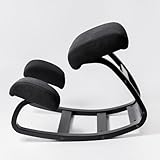
Overview: The Sleekform Austin kneeling chair combines robust construction with active sitting principles. Built from 20-ply birchwood with three reinforcement crossbars, it supports users up to 265 pounds and accommodates heights from 5'2" to 6'6", making it one of the most inclusive options available.
What Makes It Stand Out: Exceptional build quality defines this chair. The triple-crossbar reinforcement system provides stability unmatched by single-bar designs, while dense memory foam knee pads offer superior comfort. Its natural rocking motion promotes circulation without sacrificing support, ideal for long work sessions.
Value for Money: Priced at $181.99, the Sleekform delivers premium construction at a mid-range price. The heavy-duty materials and high weight capacity offer excellent durability for the investment. Users needing robust support will find this more cost-effective than replacing cheaper alternatives.
Strengths and Weaknesses: Pros:
- High 265-pound weight capacity
- Accommodates wide height range (5'2"-6'6")
- Triple-crossbar reinforcement
- Dense memory foam cushioning
- Natural rocking motion Cons:
- Wood construction may not suit all aesthetics
- Heavier than lightweight alternatives
- No backrest option
- Assembly may be more complex
Bottom Line: The Sleekform Austin is ideal for larger users or those prioritizing durability and comfort. Its robust construction and inclusive sizing make it a reliable choice for demanding home office environments where long-term reliability matters.
10. Mind Oasis Ergonomic Kneeling Chair with Back Support - Knee Chair Ergonomic for Office w/Upholstered Fabric - Adjustable Rocking Stationary Correcting Stool, Meditation Desk Stool for Better Posture

Overview: The Mind Oasis kneeling chair distinguishes itself with integrated back support, a rare feature in this category. With adjustable levels on both front and back sections, it allows users to switch between rocking and stationary modes, offering flexibility for different tasks and preferences.
What Makes It Stand Out: The convertible rocking/stationary functionality is unique among kneeling chairs. Users can remove knobs to enable motion or lock it for stable meditation. The padded backrest provides additional support uncommon in kneeling designs, while neutral colors ensure seamless integration into any décor.
Value for Money: At $139.99, this chair offers impressive features for the price. The backrest and mode-switching capability typically appear in more expensive models. While build quality may not match premium brands, the feature set provides excellent value for budget-conscious users wanting versatility.
Strengths and Weaknesses: Pros:
- Integrated backrest support
- Switchable rocking/stationary modes
- Padded seat, back, and knee areas
- Adjustable front and back levels
- Attractive neutral color options Cons:
- Weight capacity not specified
- May be less durable than premium options
- Backrest could limit some sitting positions
- Adjustment mechanism may require frequent tweaking
Bottom Line: The Mind Oasis is perfect for users wanting kneeling benefits with occasional back support. Its mode-switching capability and affordable price make it an excellent choice for home offices serving multiple purposes, from work to meditation.
What Exactly Is a Kneeling Ergonomic Chair?
A kneeling ergonomic chair is a seating device that eliminates the traditional backrest and instead positions you at an open hip angle, typically between 110-130 degrees, compared to the 90-degree angle of conventional chairs. Your weight distributes between a forward-tilted seat and padded knee rests, creating a perch-like stance that activates core muscles and maintains the spine’s natural S-curve. The design originated from Norwegian ergonomists in the 1970s who recognized that conventional seating was fundamentally at odds with human anatomy.
The Science Behind Active Posture and Kneeling Chairs
Active posture isn’t just a wellness buzzword—it’s a biomechanical state where your body maintains alignment through muscle engagement rather than external support. When you sit actively, your deep stabilizing muscles (transverse abdominis, multifidus, and pelvic floor) fire continuously to keep you balanced. Kneeling chairs facilitate this by removing the backrest crutch, forcing your proprioceptive system to stay online. Research in occupational ergonomics shows that this open hip angle reduces intervertebral disc pressure by up to 35% compared to conventional 90-degree sitting.
Core Benefits of Switching to a Kneeling Chair
Spinal Alignment and Reduced Back Pressure
The forward tilt of the seat pan naturally rotates your pelvis forward, preventing the posterior pelvic tilt that causes lumbar flexion and disc compression. This position allows your spine to “stack” vertebrae with minimal muscular effort, reducing the static load on your erector spinae muscles. Many users report immediate relief from lower back tension because the chair does the alignment work for you.
Engaging Your Core Muscles Naturally
Unlike stability balls that demand constant attention, kneeling chairs create a sweet spot of passive core engagement. Your abdominal muscles work gently to prevent you from tipping forward, but the knee pads provide enough stability that you don’t fatigue quickly. This low-grade activation throughout the day builds postural endurance without the burnout.
Improved Circulation and Breathing
The open hip angle prevents the femoral artery compression that occurs in traditional chairs, promoting better blood flow to your lower extremities. This position also gives your diaphragm more room to expand, leading to deeper, more diaphragmatic breathing. Many users notice they feel less sluggish in the afternoon when using a kneeling chair.
Key Features to Evaluate Before Buying
Seat and Knee Pad Materials
The upholstery quality determines both comfort and durability. Look for high-density foam (at least 2.5 pounds per cubic foot) that won’t bottom out after months of use. The fabric should be breathable—mesh or wool blends outperform vinyl or leather, which can trap heat and cause sweating against the knee pads. Some premium models feature memory foam top layers for pressure relief, but ensure the base foam is firm enough to maintain support.
Adjustability: Height and Angle Considerations
Your kneeling chair must accommodate your specific inseam length and desk height. The seat height should adjust from approximately 19 to 25 inches to fit users from 5'2" to 6'4". More importantly, look for adjustable seat angle (typically 15-30 degrees of tilt) because this determines how much weight shifts to your knees versus your sit bones. Fixed-angle chairs are a gamble that rarely pays off.
Frame Construction and Weight Capacity
Solid wood frames (beech or birch) offer aesthetic appeal and decent strength but check the joint construction—mortise and tenon joints outperform simple screws. Metal frames, particularly steel with powder coating, provide superior durability and typically support 250-300 pounds. Avoid particle board or plastic frames, which flex and crack under daily use.
Mobility: Casters vs. Stationary Bases
Wheeled casters allow you to roll between tasks, but they must have a locking mechanism. Rocking kneeling chairs with curved bases promote micro-movements but limit mobility. Consider your workflow: do you need to swivel between monitors and paperwork, or will you remain stationary? Some hybrid designs offer both a rocking base and optional caster attachment.
Understanding Different Kneeling Chair Designs
Traditional Balans-Style Chairs
The original Norwegian design features a fixed rocker base with a gentle curve that allows subtle forward and backward motion. This promotes active sitting but can feel unstable for beginners. The knee pads sit lower than the seat, creating a steep angle that maximizes spinal extension. These work best for task-focused work at standard desk heights.
Rocking Kneeling Chairs
Modern iterations amplify the Balans concept with more pronounced rockers that facilitate constant micro-movements. This design is excellent for fidgety individuals who need sensory input to concentrate. The rocking motion encourages ankle and calf activation, further reducing static load. However, the learning curve is steeper, and they may not suit precision tasks like detailed design work.
Saddle Kneeling Hybrids
These combine a saddle seat (like an equestrian saddle) with knee support, offering even greater hip abduction. The split-seat design reduces perineal pressure and can be more comfortable for male users. The wider stance engages your gluteus medius more actively, but some find the position too wide for prolonged use. These excel for creative professionals who alternate between intense focus and relaxed contemplation.
Who Benefits Most from Kneeling Chairs?
Kneeling chairs aren’t universal solutions. They shine for individuals under 250 pounds with healthy knees and ankles who perform computer-based work for 2-4 hour stretches. Developers, writers, and data analysts often love them. However, they’re contraindicated for people with significant knee osteoarthritis, recent ankle injuries, or those who require extensive lateral movement (like graphic designers with large drawing tablets). Pregnant individuals should consult their physician, as the knee pressure may be problematic.
The Transition Period: What to Expect
Week-by-Week Adaptation Timeline
Week 1: Start with 30-minute sessions, 2-3 times daily. You’ll likely feel mild shin and calf soreness as your body adapts to new pressure points. Your core may feel surprisingly tired by day’s end.
Weeks 2-3: Increase to 60-90 minute sessions. The knee discomfort should subside as tissue adaptation occurs. You might notice your lower back feels “looser” but your upper back and shoulders may ache temporarily as your thoracic spine realigns.
Weeks 4-6: Most users achieve 3-4 hour continuous comfort. Your core endurance improves significantly. Some people experience a temporary decrease in typing speed as their body integrates the new posture into muscle memory.
Common Mistakes to Avoid
Don’t slam your knees into the pads—distribute weight evenly between shins and sit bones. Resist the urge to lean forward; the chair should bring the work to you. Never use kneeling chairs exclusively in the beginning; alternating with a conventional chair prevents overuse injuries. And don’t ignore foot position—your feet should rest toes-down behind you, not tucked under the seat.
Proper Usage Techniques for Maximum Benefit
Position your desk so your elbows rest at 90-110 degrees with wrists neutral. The monitor should be at eye level, not forcing you to look down. Shift your weight subtly every 15-20 minutes—rock slightly, engage one knee more than the other, or briefly lift one shin off the pad. This prevents pressure points and maintains circulation. Keep your shoulders stacked over your hips; the chair enables good posture but doesn’t guarantee it.
Potential Drawbacks and How to Mitigate Them
Knee discomfort is the most common complaint. Mitigate this by choosing chairs with memory foam knee pads and wearing soft, flexible pants (avoid stiff jeans). Shin splints can occur if you rest too much weight forward; consciously shift back to your sit bones periodically. The lack of armrests strains some users—consider adding an independent, height-adjustable armrest system if you perform precision mouse work. For cold offices, the forward position can feel drafty; a small lap blanket solves this elegantly.
Kneeling Chairs vs. Other Ergonomic Solutions
Standing Desks
Standing desks address different problems. They’re superior for metabolic health and calorie burn but can cause leg fatigue and varicose vein risk. Kneeling chairs reduce spinal load more effectively than standing. The ideal setup often involves both: alternate between kneeling sitting and standing throughout the day.
Traditional Office Chairs with Lumbar Support
High-end ergonomic chairs like the Herman Miller Aeron provide excellent support but still encourage passive sitting. They don’t activate core muscles or improve hip mobility. Kneeling chairs are better for building postural strength, while traditional chairs suit marathon work sessions requiring minimal physical engagement.
Active Sitting Stools
Wobble stools and balance ball chairs promote movement but lack stability for focused work. Kneeling chairs offer a middle ground—stable enough for precision tasks while still encouraging micro-adjustments. They’re less fatiguing than stools because your weight distributes over a larger surface area.
Maintenance and Longevity Tips
Vacuum the knee pads weekly to remove skin cells and dust that cause fabric breakdown. Spot-clean with mild detergent monthly; avoid harsh chemicals that degrade foam. Check frame bolts quarterly—wood expands and contracts, loosening connections. For metal frames, inspect welds annually for stress cracks. Rotate the knee pads 180 degrees every six months to ensure even wear. Store away from direct sunlight, which degrades foam and fades fabric. A quality kneeling chair should last 5-8 years with proper care.
Price Ranges and Value Proposition
Budget models ($80-$150) use thinner foam and fixed angles, suitable for occasional use or trying the concept. Mid-range chairs ($150-$300) offer essential adjustability and decent materials for daily use. Premium options ($300-$600) feature advanced adjustability, superior materials, and ergonomic refinements that justify the investment for full-time users. Beyond $600, you’re paying for design aesthetics or brand prestige rather than functional improvements. Consider your daily usage hours: if you’ll sit for 6+ hours daily, the mid-range minimum pays for itself in prevented chiropractor visits.
Frequently Asked Questions
Will a kneeling chair fix my herniated disc?
While kneeling chairs can reduce disc pressure, they’re not medical devices. A herniated disc requires professional treatment. However, many users with disc issues find relief when using kneeling chairs as part of a comprehensive recovery plan that includes physical therapy and movement breaks. Always consult your spine specialist before making ergonomic changes.
How long should I sit in a kneeling chair each day?
Start with 1-2 hours total in the first week, broken into 30-minute sessions. Gradually increase to 3-4 hours daily by week six. Most people max out at 5-6 hours before needing a break. Listen to your body—knee or shin pain means you’ve exceeded your current tolerance.
Can I use a kneeling chair if I’m overweight?
Weight capacity varies significantly. Standard models support 200-250 pounds, while heavy-duty versions accommodate up to 350 pounds. The bigger concern is knee joint health, as excess weight increases patellofemoral pressure. Consider starting with a saddle-style chair that distributes weight more broadly.
Why do my shins hurt more than my knees?
Shin pain usually indicates you’re sitting too far forward, placing excessive weight on the knee pads. Shift your hips back so 60-70% of your weight rests on your sit bones. Also, check that the seat angle isn’t too steep; a 20-degree tilt works for most people.
Are kneeling chairs suitable for gaming?
For competitive gaming requiring rapid mouse movements, kneeling chairs can feel restrictive. However, for casual gaming or console play, they work beautifully. The active posture keeps you engaged without the slouching that marathon gaming sessions often induce.
Do I need a special desk for a kneeling chair?
Most kneeling chairs position you 2-4 inches higher than conventional seating. Standard 29-inch desks work for users 5'6" to 5'10". If you’re shorter, you may need a desk riser; if taller, a height-adjustable desk is ideal. The key is maintaining 90-110 degree elbow angles.
Can children use kneeling chairs for homework?
Yes, and they often adapt faster than adults. Children have more flexible joints and naturally active sitting habits. Ensure the chair adjusts low enough (seat height around 16-18 inches) and supervise their posture initially. The active sitting can help channel fidgeting into productive movement.
How do I know if the knee pads are positioned correctly?
When seated, your thighs should angle downward at about 30 degrees from horizontal. Your knees should rest comfortably in the pads without feeling pushed forward or dropping down. If you feel like you’re sliding off the front, the pads are too low; if your knees bear all your weight, they’re too high.
Will switching to a kneeling chair help me lose weight?
The caloric difference is minimal—perhaps 20-30 extra calories burned daily from increased muscle engagement. Kneeling chairs aren’t weight-loss tools. Their value lies in postural health and pain reduction, which can indirectly support an active lifestyle.
What’s the return policy typically like for kneeling chairs?
Most reputable retailers offer 30-day return windows, which is insufficient for proper adaptation. Look for companies providing 60-90 day trials, as it takes 4-6 weeks to determine true compatibility. Keep all packaging and document any defects immediately, as warranty claims often require photos of issues within the first few weeks.