If you’ve ever caught yourself bouncing your leg under your desk, clicking a pen relentlessly, or shifting positions every few minutes, you’re not alone. Workplace fidgeting has become a universal language of restless bodies confined to static chairs. This constant, unconscious movement is your body’s desperate attempt to engage muscles, stimulate circulation, and combat the stagnation of eight-hour sitting marathons. While traditional office chairs keep you locked in one position, balance ball chairs offer a revolutionary alternative that transforms fidgeting from a nervous habit into a productive, health-enhancing activity.
These innovative seating solutions are redefining workplace ergonomics by turning your chair into a dynamic tool for wellness. Unlike conventional seating that encourages slumping and stillness, balance ball chairs create an unstable surface that requires constant micro-adjustments from your core muscles. This subtle, continuous engagement satisfies your body’s need for movement while simultaneously improving posture, boosting focus, and burning calories. But not all balance ball chairs are created equal, and choosing the right one requires understanding the nuanced features that separate effective active sitting from mere gimmickry.
Top 10 Balance Ball Chairs for Reducing Fidgeting at Work
Detailed Product Reviews
1. Gaiam 610-6002RTL Balance Ball Chair - Classic Yoga Ball Chair with 52cm Stability Ball, Pump & Exercise Guide for Home or Office, Black

Overview: The Gaiam 610-6002RTL Balance Ball Chair transforms traditional sedentary sitting into an active core-strengthening experience. Designed for adults 5’ to 5'11", this complete workstation solution includes a 52cm stability ball, ergonomic chair frame with lockable caster wheels, and supportive accessories. Created with chiropractic input, it targets lower back pain while boosting productivity through micro-movements that engage your muscles and mind throughout the workday.
What Makes It Stand Out: Unlike standalone exercise balls, this integrated system provides a secure, stationary seating solution that won’t roll away. The metal support bar adds crucial stability, while two lockable wheels prevent unwanted movement during focused work. The 300-pound weight capacity accommodates most adults, and the included exercise guide helps users maximize benefits. The ability to add leg extenders (sold separately) offers customization for taller desks, making it adaptable to various workspaces.
Value for Money: At $68.38, this chair sits in the mid-range for ergonomic office solutions. While more expensive than a basic exercise ball, it delivers a complete workstation setup that eliminates the need for a separate chair frame. Comparable ergonomic chairs often cost $100+, making this a cost-effective entry into active sitting. The durability and included accessories justify the investment for home office users.
Strengths and Weaknesses: Strengths include professional design credentials, comprehensive kit, lockable wheels for safety, and substantial weight capacity. The assembly is straightforward, taking only minutes. Weaknesses include height limitations for taller users, an adjustment period for new users, and potential quality concerns with the basic air pump. Some users may find the ball requires periodic reinflation.
Bottom Line: This Gaiam chair excels for home office workers seeking to improve posture and core strength without sacrificing stability. It’s a solid investment for those under 6 feet tall who want the benefits of active sitting in a secure, roll-proof package.
2. Gaiam Kids Stay-N-Play Children’s Balance Ball - Flexible School Chair Active Classroom Desk Alternative Seating Built-In Stay-Put Soft Stability Legs, Includes Air Pump

Overview: The Gaiam Kids Stay-N-Play Balance Ball addresses the challenge of keeping active children engaged while seated. Designed specifically for young learners, this 45cm ball features five soft stabilizing legs that prevent it from rolling away when not in use. It’s an ideal classroom or home seating solution that channels excess energy into productive micro-movements, helping kids maintain focus during study time, reading, or screen viewing.
What Makes It Stand Out: The ingenious built-in legs solve the primary frustration of standard exercise balls in children’s spaces—the constant rolling and chasing. This simple addition makes it practical for unsupervised use in classrooms and bedrooms. At 45cm, it’s properly sized for elementary-aged children, encouraging healthy posture development during crucial growth years. The design promotes active sitting that strengthens core muscles while satisfying the need for movement.
Value for Money: At just $11.09, this represents exceptional value for introducing flexible seating concepts. It’s significantly cheaper than most children’s ergonomic furniture and even many basic exercise balls. For teachers outfitting entire classrooms or parents experimenting with active seating, the low price point removes financial barriers. The durability and practical design offer long-term benefits that far exceed the minimal investment.
Strengths and Weaknesses: Major strengths include the stay-put legs, affordability, posture benefits, and focus enhancement. It’s lightweight and easy to move. Weaknesses include limited size options, potential wear on the soft legs over time, and the lack of specified weight capacity. The initial inflation process requires patience (24-hour stretch period), which may frustrate eager kids. It offers less bounce than traditional balls due to leg constraints.
Bottom Line: An outstanding budget-friendly choice for parents and educators wanting to implement flexible seating. The stabilizing legs make it uniquely practical for children’s independent use, effectively converting restless energy into improved concentration.
3. Gaiam Classic Balance Ball Chair – Ergonomic Stability Chair for Desk & Office | Yoga Ball Seat with Base, Air Pump, & Exercise Guide | Improves Posture & Core Strength (300 lb Capacity)

Overview: The Gaiam Classic Balance Ball Chair delivers a professional-grade active seating solution for office and desk environments. Engineered with chiropractic expertise, this system helps users 5’ to 5'11" combat sedentary fatigue through controlled micro-movements. The package includes a 52cm anti-burst ball, sturdy chair base with four caster wheels (two lockable), metal support bar, air pump, and exercise guide—everything needed to convert your workspace into a posture-improving station.
What Makes It Stand Out: This chair’s professional presentation distinguishes it from basic exercise balls. The integrated metal support bar provides crucial back support during initial adaptation phases, while the lockable wheels offer safety and stability when needed. The removable ball design allows for standalone exercise sessions, effectively providing two products in one. Its 300-pound capacity and compatibility with standard desk heights make it accessible to most adult users seeking ergonomic improvement.
Value for Money: Priced at $69.98, it competes directly with traditional ergonomic chairs while offering unique active-sitting benefits. The cost is justified by the durable frame, safety features, and dual-functionality as both chair and exercise tool. Compared to standing desks or high-end ergonomic seating ($200+), this presents an affordable alternative for back pain relief and core strengthening during work hours.
Strengths and Weaknesses: Strengths include the comprehensive frame system, safety lock wheels, professional design backing, and versatility for exercise. Assembly is tool-free and quick. Weaknesses include a learning curve for balance, potential discomfort during extended initial use, and height restrictions excluding taller individuals. The plastic components may not match the durability of premium office furniture, and the ball requires occasional reinflation.
Bottom Line: Ideal for office workers committed to improving posture and core strength. The secure frame design makes it suitable for professional environments where rolling balls would be impractical, offering a smart balance of ergonomics and active movement.
4. Active Seat Peanut Shaped Bounce Desk Chair , Exercise Yoga Balance Sitting Ball, Flexible Seating, Wiggle Seat for Boys and Girls

Overview: The Peanut Shaped Active Seat offers a novel twist on flexible seating with its distinctive cradling design. This unique balance ball allows children to straddle and bounce safely, making it particularly effective for high-energy kids who need movement to concentrate. Unlike round balls, the peanut shape provides inherent stability while still encouraging active sitting, core engagement, and improved blood flow during desk work, reading, or screen time.
What Makes It Stand Out: The oblong shape naturally prevents the wild rolling common with traditional exercise balls, making it safer for unsupervised classroom or home use. Kids can sit straddled or centered, offering versatile positioning options that accommodate different comfort preferences. This design innovation provides more stability while maintaining the bounce and movement benefits that help release excess energy and improve focus. Its simplicity—just the ball, no frame—makes it lightweight and portable.
Value for Money: At $15.81, this is an extremely cost-effective flexible seating option. It’s affordable enough for teachers to purchase multiple units for classrooms or for parents to try without significant financial commitment. The durability of the peanut shape and its multi-purpose functionality (desk chair, reading seat, exercise tool) deliver excellent return on investment compared to specialized children’s furniture.
Strengths and Weaknesses: Strengths include superior stability, versatile sitting positions, excellent price point, and effective energy outlet. The shape is intuitive for children to use safely. Weaknesses include lack of legs means it can still roll away when unused, no included pump in some listings, and limited size information. It may not fit standard desk heights as well as framed options and offers less formal posture support than structured chairs.
Bottom Line: A fantastic, budget-conscious choice for classrooms and homes needing simple, safe flexible seating. The peanut shape’s inherent stability makes it more practical than round balls for independent child use, effectively channeling wiggles into focused learning.
5. Trideer Flexible Seating for Classroom Elementary, Yoga Ball Chairs for Kids, Wobble Chair of School Supplies for Sensory Kids, Student Desk Chairs for Homeschool (Blue, 45cm)

Overview: The Trideer Flexible Seating Ball prioritizes child safety without compromising on the benefits of active sitting. Designed specifically for school-age children, this 45cm yoga ball chair features uniquely engineered legs for enhanced stability and meets CPSC safety standards. The specialized foaming process ensures slow deflation if punctured, protecting kids from sudden falls. It’s an ideal solution for classrooms, homeschool setups, or home study areas where both safety and engagement are priorities.
What Makes It Stand Out: Safety certifications set this apart from generic alternatives. The 45mm diameter legs provide greater floor contact area than competitors, creating a more stable base that flexes under weight but prevents rolling when unoccupied. The slow-deflate technology addresses a major parental concern about exercise ball accidents. Additionally, the company’s 30-day return policy, 12-month warranty, and lifetime customer service demonstrate confidence in product quality and commitment to user satisfaction.
Value for Money: At $23.99, it’s pricier than basic kids’ balls but justifiably so. The safety certifications, superior leg design, and warranty package add significant value for schools and safety-conscious parents. When considering liability concerns in classrooms and the peace of mind for parents, the modest price increase over budget options is well worth the investment in child safety.
Strengths and Weaknesses: Strengths include CPSC compliance, slow-deflate safety feature, robust leg design, excellent warranty terms, and focus-enhancing benefits. The 264-pound capacity covers nearly all children under 15. Weaknesses include higher cost than no-frills alternatives, limited aesthetic options, and legs that may slightly restrict maximum bounce. The brand is less recognized than Gaiam, potentially affecting trust.
Bottom Line: The best choice for parents and educators prioritizing safety above all else. While slightly more expensive, the certified construction, innovative safety features, and strong warranty make it a responsible investment for active seating in any child-focused environment.
6. Bouncyband Stability Ball Chair – Balance Ball Seating Improves Focus at School or at Home for Kids Aged 3-10 with 200lb Maximum Weight – 15” x 15” x 20” Kit Includes Fidget Ball and Base

Overview: The Bouncyband Stability Ball Chair is a pediatric-focused active seating solution designed specifically for children aged 3-10. This complete kit includes a 15-inch balance ball, stabilizing base, and a unique fidget ball, creating a therapeutic seating environment for young learners at home or in classroom settings.
What Makes It Stand Out: Unlike generic exercise balls, this product is purpose-built for developmental needs. The included fidget ball provides additional sensory input, while the stabilizing base prevents rolling when not in use. Its latex-free, anti-burst construction meets therapeutic standards for safety, and the 200-pound weight capacity accommodates growing children through elementary school years.
Value for Money: At $59.99, this specialized children’s seating solution offers reasonable value. Comparable pediatric therapy seating often exceeds $80, and the inclusion of both base and fidget accessory eliminates additional purchases. The durability and age-appropriate design justify the investment for parents seeking focus support tools.
Strengths and Weaknesses: Strengths include child-specific ergonomic design, comprehensive safety features, multi-component kit, proven focus benefits, and compact storage capability. Weaknesses involve the restrictive 200-pound weight limit that excludes older children, limited height adjustability, and a smaller sitting surface that may feel cramped for kids approaching the upper age limit.
Bottom Line: This is an excellent investment for parents and educators supporting active learners. While specialized for younger children, its therapeutic design and safety certifications make it superior to repurposed adult exercise balls for pediatric use.
7. Yes4All Exercise Ball Chair for Office, 400lbs Capacity Anti-Burst Yoga Ball Chair, Light Weight Self-Standing Sitting Ball Chair with Hidden Seam Cover, Convenient Handle & Pump Included - Light Gray

Overview: The Yes4All Exercise Ball Chair delivers heavy-duty performance in a lightweight package, supporting up to 400 pounds while weighing under four pounds itself. Designed for office environments, this self-standing ball chair includes a discreet hidden seam cover and comes with a pump for quick 20-minute inflation to 22-24 inches.
What Makes It Stand Out: Exceptional weight capacity sets this apart from most competitors in its price range. The self-standing design eliminates the need for a separate base, while the integrated handle enhances portability between home and office. The elegant non-woven cover provides a professional appearance suitable for corporate settings.
Value for Money: Priced at $43.49, this represents outstanding value. Comparable high-capacity ball chairs typically cost $60-80, and the 400-pound rating exceeds many premium options. The included accessories and lightweight portability eliminate additional expenses, making it a budget-friendly choice for quality-conscious buyers.
Strengths and Weaknesses: Strengths include industry-leading weight capacity, true portability, rapid inflation, professional aesthetics, and exceptional affordability. Weaknesses involve the lack of wheels for easy movement while seated, absence of back support for those needing lumbar assistance, and potential stability concerns on uneven surfaces without a weighted base.
Bottom Line: This is the go-to choice for budget-conscious adults seeking a high-capacity, portable active seating solution. While it lacks premium features like wheels, its weight capacity and price point are unmatched for straightforward office use.
8. Trideer Yoga Ball for Pregnancy Office Ball Chair– Exercise Ball for Birthing, Labor, Stretching & Core Workout – Anti-Burst, Slip-Resistant for Home Gym, Flexible Seating & Physical Therapy
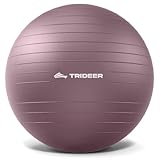
Overview: The Trideer Yoga Ball serves as a versatile tool specifically engineered for pregnancy support while doubling as an office chair and fitness accessory. With a 330-pound capacity and California Prop 65 compliance ensuring freedom from heavy metals and harmful phthalates, it prioritizes safety for mothers and babies.
What Makes It Stand Out: This ball’s prenatal-to-postnatal design is unique, supporting optimal fetal positioning during pregnancy, assisting labor, and providing postpartum soothing for infants. The safety certifications exceed standard requirements, making it ideal for health-conscious users. Its multi-phase utility eliminates the need for separate pregnancy and office balls.
Value for Money: At $28.99, this is exceptional value. Dedicated pregnancy balls often cost $40-60, and adding office functionality creates significant savings. The safety certifications and anti-burst technology at this price point undercut most competitors while maintaining professional-grade quality.
Strengths and Weaknesses: Strengths include pregnancy-specific design, stringent safety compliance, impressive weight capacity, slow-deflation technology, and remarkable affordability. Weaknesses involve the lack of an included base requiring separate purchase for office stability, no pump included in some packages, and limited height guidance for office use versus fitness applications.
Bottom Line: This is the ideal choice for pregnant women and new mothers seeking a safe, affordable multi-purpose ball. While office users may need additional accessories, its pregnancy-focused design and safety certifications make it unparalleled for maternal health needs.
9. Aeromat Elite Yoga Ball Chair for Office & Home 250lbs Cap – Ergonomic Balance Ball Desk Chair w/Lockable Wheels,Adjustable Height, Anti-Burst Removable Ball, Back Support for Posture & Core Relief

Overview: The Aeromat Elite transforms the exercise ball into a fully-functional office chair with premium features including lockable caster wheels, adjustable height (20-23 inches), and integrated back support. Supporting up to 280 pounds with its high-quality thermoplastic rubber construction, it targets professionals seeking ergonomic improvement without sacrificing traditional chair conveniences.
What Makes It Stand Out: This is a complete chair replacement rather than a simple ball addition. The 360° swivel base with lockable wheels provides mobility and stability control, while the adjustable height accommodates various desk configurations. The built-in back support distinguishes it from basic ball chairs, offering lumbar guidance for proper spinal alignment.
Value for Money: At $199.97, this premium option justifies its price through comprehensive features. Comparable ergonomic office chairs cost $300-500, while adding wheels, adjustability, and back support to basic ball chairs would exceed $150 in accessories. For full-time office workers, the investment pays dividends in posture support.
Strengths and Weaknesses: Strengths include true office chair functionality, height adjustability, mobility with stability control, professional back support, and premium anti-burst materials. Weaknesses involve the high price point, weight capacity discrepancy between title (250lbs) and features (280lbs), and bulkier design that may not suit small workspaces.
Bottom Line: This is the premium choice for professionals committed to active sitting without compromising traditional chair benefits. While expensive, its comprehensive features make it a worthwhile investment for full-time desk workers prioritizing posture and core health.
10. Trideer Exercise Ball for Office Desk, Yoga Ball Chair to Relieve Back Pain, Stability & Fitness Ball Seat with Base, Home Gym Core Workout, Abs, Stretching & Therapy

Overview: The Trideer Exercise Ball Chair positions itself as a therapeutic seating solution recommended by physical therapists and chiropractors for back pain relief and posture improvement. The 65cm ball supports up to 330 pounds and includes a stabilizing base, targeting users 5'3" to 5'10" seeking both office seating and home gym functionality.
What Makes It Stand Out: Professional medical endorsement lends credibility uncommon in this category. The honeycomb anti-burst structure provides slow deflation within 3-5 seconds if punctured, significantly reducing injury risk. The included base prevents rolling, and the non-polluting, hypoallergenic materials accommodate sensitive users.
Value for Money: Priced at $39.99 with base included, this offers strong value. Competitor balls with bases typically cost $50-70, and therapeutic-grade balls alone often exceed $45. The safety technology and professional recommendations at this mid-range price point create compelling value.
Strengths and Weaknesses: Strengths include medical professional endorsement, advanced anti-burst technology, included stabilizing base, strong weight capacity, and hypoallergenic materials. Weaknesses involve the multi-day inflation process required for optimal size, height restrictions limiting taller users, and potential durability concerns with the base ring under heavy daily use.
Bottom Line: This is an excellent mid-range option for users prioritizing safety and therapeutic benefits. While the inflation process requires patience, its medical endorsements and advanced safety features make it a smart choice for back pain sufferers and health-conscious office workers.
Understanding the Fidgeting Epidemic in Modern Workplaces
Fidgeting isn’t a character flaw—it’s a physiological response to prolonged inactivity. When your body remains stationary for extended periods, your brain’s arousal system struggles to maintain alertness. This neurological dip triggers unconscious movement as a mechanism to self-stimulate. Research from the University of Missouri shows that sitting for just 30 minutes can reduce blood flow to the legs by up to 50%, prompting your body to seek movement to restore circulation. Balance ball chairs address this fundamental issue by making stillness nearly impossible in the best possible way.
What Exactly Is a Balance Ball Chair?
A balance ball chair combines the instability of an exercise ball with the functionality of office seating. At its core, it’s a large, inflatable sphere—typically 45-75cm in diameter—either used alone or mounted in a stabilizing base with or without a backrest. The design intentionally creates an unstable sitting surface that forces your body to engage stabilizing muscles continuously. This isn’t about bouncing dramatically; it’s about micro-movements that happen unconsciously as your body maintains equilibrium.
The Science Behind Active Sitting
Active sitting, also known as dynamic sitting, operates on the principle that movement shouldn’t stop when you’re seated. Traditional ergonomics focused on creating the “perfect” static posture, but emerging research reveals that any single position held too long becomes problematic. Your spine needs movement to distribute nutrients to intervertebral discs, and your muscles require periodic contraction to prevent metabolic slowdown.
How Balance Ball Chairs Engage Your Core
When you sit on a stable surface, your deep core muscles—transverse abdominis, multifidus, and pelvic floor—can essentially switch off. The moment you sit on an unstable ball, these muscles must activate to prevent you from tipping. This engagement happens at a subconscious level, creating a low-intensity workout that can last for hours. Studies from the Journal of Strength and Conditioning Research indicate that sitting on an exercise ball increases core muscle activation by 33% compared to traditional chairs.
The Neurological Benefits of Micro-Movements
Those tiny adjustments you’re making on a balance ball chair aren’t just physical—they’re cognitive gold. Each micro-movement sends proprioceptive feedback to your brain, essentially keeping your neural pathways active and engaged. This continuous sensory input can enhance alertness and prevent the attention drift that accompanies static sitting. The vestibular system, responsible for balance, stays stimulated, which research links to improved cognitive performance and creativity.
Key Benefits of Using Balance Ball Chairs at Work
Beyond simply reducing fidgeting, these dynamic seats offer a cascade of workplace wellness benefits that compound over time. The advantages extend from physical health to mental acuity, creating a holistic improvement in how you experience your workday.
Improved Posture and Spinal Alignment
Balance ball chairs eliminate the option to slump or lean back into a passive position. The unstable surface requires you to center your weight over your sit bones, naturally encouraging a neutral spine alignment. This positioning allows your spinal curves to maintain their natural shape rather than flattening as they do in conventional chairs. Over weeks of consistent use, many users report decreased neck and shoulder tension as their postural muscles strengthen.
Enhanced Focus and Cognitive Performance
The subtle movement required for balance creates a state of “attentive readiness” in the brain. Unlike the drowsiness that can accompany static sitting, the gentle physical engagement keeps your nervous system in a mild state of alertness. A study in the American Journal of Occupational Therapy found that students with attention difficulties showed improved behavior and focus when using stability balls as seating. The same principle applies to adults struggling with workplace concentration.
Calorie Burn and Metabolic Benefits
While you won’t replace your gym session, active sitting does increase energy expenditure. Research indicates that sitting on an exercise ball burns approximately 6% more calories than sitting in a traditional chair. More importantly, the constant muscle engagement helps maintain metabolic activity, potentially mitigating some of the negative effects of prolonged sitting on blood sugar and lipid metabolism.
Essential Features to Consider When Shopping
Navigating the balance ball chair market requires understanding which features genuinely impact functionality versus which are marketing fluff. The right combination of features depends on your body type, workspace, and specific needs.
Ball Size and Your Height Compatibility
The relationship between ball size and your height is non-negotiable for proper ergonomics. When seated, your hips should be slightly above your knees, creating a downward thigh angle that encourages pelvic tilt. Generally, those under 5'4" need a 45cm ball, 5'4" to 5'11" require a 55cm ball, and those over 6’ need a 65cm ball. However, this varies based on desk height and leg length proportion.
Base Stability and Safety Mechanisms
A quality balance ball chair includes a base that provides enough stability to prevent dangerous tipping while still allowing dynamic movement. Look for bases with a wide footprint—at least 20 inches in diameter—and anti-slip grips. Some designs incorporate a “safety ring” that prevents the ball from rolling away when you stand up, which is crucial in professional settings where you frequently transition between sitting and standing.
Material Quality and Anti-Burst Technology
Not all exercise balls are created equal. Professional-grade balance ball chairs use thick, anti-burst PVC that slowly deflates if punctured rather than exploding dramatically. The material should be free of phthalates and heavy metals, especially important since you’ll be in close contact with it for hours. Weight-rated materials should exceed your body weight by at least 100 pounds for safety margins.
Adjustability and Customization Options
The best balance ball chairs offer height adjustability through either ball inflation levels or adjustable bases. Some models include removable backrests, allowing you to progress from supported to unsupported sitting as your core strength improves. Lockable casters provide the option to switch between mobile and stationary modes, adapting to different work tasks.
Different Types of Balance Ball Seating Solutions
The market has evolved beyond simple balls on wheels. Understanding the different categories helps you select the approach that best fits your work style and comfort preferences.
Traditional Balance Ball Chairs with Bases
These feature a ball cradled in a wheeled base, often with an optional backrest. They most closely mimic traditional office chairs while providing dynamic sitting benefits. The base typically includes a stability ring and casters, making them suitable for standard desk heights and professional environments where you need to roll between workspace zones.
Ball Stools and Perching Options
Taller, stool-height balance balls allow for a perching position—somewhere between sitting and standing. This hybrid approach reduces spinal compression while still providing stability challenge. They’re ideal for sit-stand desks or for people who find full sitting too static but aren’t ready for a standing desk marathon.
Standalone Exercise Balls for Desk Use
Using a high-quality exercise ball without a base offers maximum dynamic challenge and affordability. This minimalist approach requires more core engagement and awareness but provides the greatest range of motion. However, they roll away easily and may not suit formal office environments or those new to active sitting.
Hybrid Designs with Backrests
Some models incorporate adjustable lumbar support or full backrests that move with you. These can ease the transition from traditional chairs and provide support during phone calls or focused reading tasks. The key is ensuring the backrest doesn’t encourage slumping; it should support upright posture without becoming a crutch.
Safety First: Proper Usage Guidelines
Dynamic seating introduces new variables that require mindful implementation. Rushing into full-time use without proper preparation can lead to muscle fatigue or even injury.
Weight Capacity Considerations
Always select a chair rated well above your body weight. Most quality balance ball chairs support 250-300 pounds, with heavy-duty options reaching 600 pounds. Remember that dynamic movement creates momentary force spikes that exceed static weight, so a 50-pound safety margin is the minimum recommendation.
Inflation Levels and Firmness
The inflation level dramatically affects both challenge and comfort. An under-inflated ball feels unstable and requires excessive effort, while an over-inflated ball reduces dynamic benefits. The sweet spot allows you to depress the surface about 2 inches when sitting. Most manufacturers recommend inflating fully, then letting the ball rest for 24 hours before adjusting to your preferred firmness.
Gradual Transition Periods
Your core muscles need time to adapt to continuous engagement. Start with 20-30 minutes of use, then return to your regular chair. Gradually increase duration by 15-minute increments weekly. Attempting full days immediately often leads to muscle fatigue and poor form, negating postural benefits. Most users require 3-4 weeks to build the endurance for full-day use.
Setting Up Your Balance Ball Chair for Maximum Benefit
Even the perfect chair delivers poor results if positioned incorrectly. Proper setup ensures you reap benefits without creating new ergonomic problems.
Desk Height and Ergonomic Positioning
Your desk height must accommodate the ball’s dimensions. Standard 29-inch desks work for most users on 55cm balls, but you may need a footrest or desk risers. Your elbows should form 90-110 degree angles when typing, with wrists in neutral position. Monitor height becomes even more critical—your eyes should align with the top third of the screen to prevent forward head posture.
Incorporating Movement Breaks
Paradoxically, the best way to use a balance ball chair is to not use it constantly. Alternate between active sitting and brief standing or walking breaks every 30-45 minutes. This variation prevents muscle fatigue while maximizing the benefits of dynamic sitting. Some users keep a traditional chair nearby for phone calls or tasks requiring minimal movement.
Common Mistakes to Avoid
Many users abandon balance ball chairs due to preventable errors. Understanding these pitfalls helps you avoid frustration and maximize your investment’s value.
Don’t use the ball as a footrest or lean against it while standing—this weakens the material at stress points. Avoid wearing sharp belt buckles or clothing with abrasive features that can puncture the surface. Never place the chair near heat sources or direct sunlight, which degrades PVC and increases burst risk. Most importantly, don’t treat it as a magical solution while neglecting other ergonomic fundamentals like monitor height and keyboard position.
Who Should (and Shouldn’t) Use Balance Ball Chairs
While beneficial for many, balance ball chairs aren’t universal solutions. They’re ideal for healthy individuals seeking to reduce sedentary behavior, office workers with attention challenges, and those recovering from mild lower back pain with medical approval. However, people with certain conditions should proceed cautiously or avoid them entirely.
Those with acute back injuries, herniated discs, balance disorders, or recent surgeries should consult healthcare providers first. Pregnant individuals, especially in later trimesters, may find the instability challenging and should prioritize stability. Anyone experiencing increased pain rather than decreased discomfort within the first week should discontinue use and reassess their approach.
Maintaining Your Balance Ball Chair
Proper maintenance extends lifespan and ensures consistent performance. Clean the surface weekly with mild soap and water, avoiding harsh chemicals that degrade PVC. Check inflation monthly, as all balls slowly lose air over time. Inspect for signs of wear, especially around the inflation valve and any contact points with the base.
Store a small puncture repair kit in your desk drawer for emergencies. Most quality balls can be patched if damaged. Replace the ball portion every 12-18 months with heavy daily use, even if no visible damage appears. The material fatigues over time, reducing anti-burst protection and dynamic response.
Frequently Asked Questions
How long should I sit on a balance ball chair each day when starting out?
Begin with 20-30 minute sessions and gradually increase by 15 minutes weekly. Most people build endurance for 2-4 hours of continuous use within a month. Listen to your body—muscle fatigue is normal, but sharp pain means you should stop and reassess.
Will a balance ball chair completely eliminate my fidgeting habits?
It transforms fidgeting into productive movement rather than eliminating it. The micro-adjustments required for balance satisfy your body’s need for motion in a structured way. Many users report a significant reduction in nervous habits like leg bouncing because the core engagement provides the stimulation their nervous system craves.
Can balance ball chairs help with sciatica or lower back pain?
They can help some individuals by promoting pelvic mobility and reducing pressure on the sciatic nerve. However, results vary dramatically based on the pain’s root cause. Always consult a physical therapist or physician before using one for medical conditions, as improper use can exacerbate certain issues.
Are balance ball chairs suitable for all desk heights?
Standard 29-inch desks work for most users between 5'4" and 5'11". Taller individuals may need desk risers, while shorter users might require a footrest or smaller ball. Measure your elbow-to-floor height when sitting on the fully inflated ball to ensure proper ergonomic alignment before purchasing.
How do I know if I’m using the correct ball size?
When seated, your hips should be slightly higher than your knees, creating a 90-110 degree angle at the hips. Your thighs should slope downward, and your feet should rest flat on the floor. If your knees are higher than your hips, the ball is too small; if your feet can’t reach the floor comfortably, it’s too large.
What’s the difference between a balance ball chair and a regular exercise ball?
Balance ball chairs include a stabilizing base, safety rings, and often casters designed for office use. They’re typically made from thicker, more durable materials rated for longer sitting periods. Regular exercise balls prioritize workout functionality and may roll away, lack proper height for desks, and wear out faster under constant sitting loads.
Can children or teenagers use balance ball chairs for homework?
Absolutely, and many schools have adopted them. The dynamic surface helps channel excess energy and improves focus for students with attention challenges. Ensure proper sizing—children under 4'8" typically need 45cm balls—and supervise initial use to establish good habits. The same gradual transition rules apply.
How much should I expect to spend on a quality balance ball chair?
Professional-grade models range from $80 to $300. The investment correlates with material quality, weight capacity, warranty length, and adjustability features. Budget options under $50 often lack adequate anti-burst ratings and durable bases. Consider it a long-term investment in your health, similar to a quality mattress or running shoes.
Do balance ball chairs work with standing desks?
Ball stools and perching models are specifically designed for sit-stand desk users, offering a middle ground between full sitting and standing. Traditional ball chairs are generally too short for standing desk heights. Some users keep a ball chair at a separate lower surface for varied work positions throughout the day.
How often should I replace the ball portion of my chair?
With daily use, replace the ball every 12-18 months even without visible damage. The PVC material slowly loses elasticity and anti-burst properties. If you notice the ball feeling softer at the same inflation level or see any stretching around the valve, replace it immediately. The base typically lasts 3-5 years with proper care.